Lebanon

Asia
Lebanon
9
books
4
authors

Books from Lebanon

1
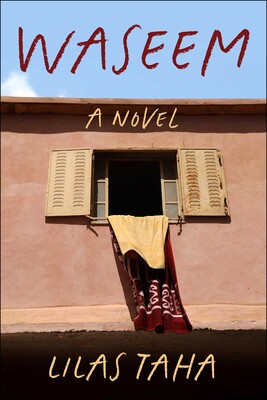
Waseem
Waseem
What does it mean to call a place home when the land you long for has always been out of reach? In a crowded Palestinian refugee camp in Lebanon, Waseem lives with a disability that leaves him largely unable to speak or walk. Much of his world unfolds through a small window, until Ameena, his spirited childhood friend, brings books into his life. Their friendship grows into a deep bond shaped by shared dreams, unspoken affection, and a longing to visit their ancestral homeland, Palestine. As the years pass, Waseem must confront the limits imposed on him by his body, his circumstances, and a world that often underestimates him. Yet his story is not defined by hardship alone. Humour, tenderness, and an enduring hunger for knowledge illuminate the everyday lives of people whose hopes extend far beyond the confines of the camp. With warmth and emotional depth, Lilas Taha explores love, disability, exile, and the search for belonging. Waseem is a moving portrait of a young man determined to claim his own future while holding on to the homeland he has never known.
2025
2
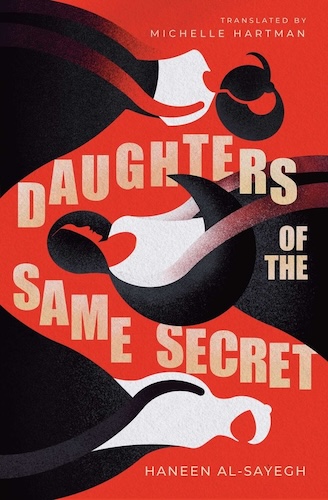
Daughters of the Same Secret
In a secluded Druze village in Lebanon’s Mount Lebanon mountains, Amal dreams of a life beyond the boundaries her family and community have drawn for her. Her father, a religious shaykh and blacksmith, believes he has the right to shape the futures of his four daughters. But Amal longs to pursue higher education and study English literature at the American University of Beirut. When a wealthy local businessman offers her a possible way out, she makes a bargain that promises freedom but brings new complications. As marriage, motherhood, and social expectations threaten to consume her ambitions, Amal must find the courage to claim ownership of her life. Poetic and deeply moving, this novel explores the hidden struggles of women caught between tradition and independence, revealing the quiet acts of resistance that can transform generations.
2026
3
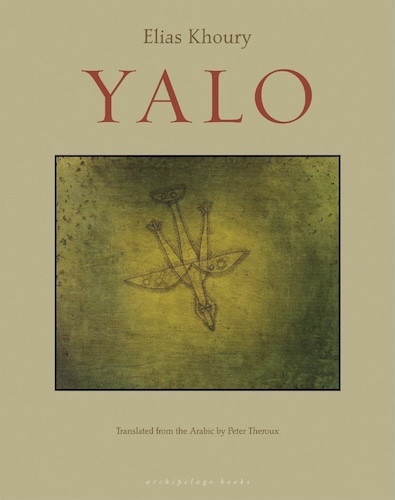
Yalo
Yalo
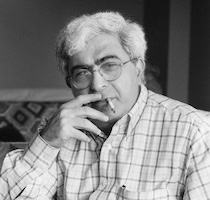
Set in Beirut in the aftermath of Lebanon’s long civil war, Yalo follows Daniel Habil Abyad, a young Lebanese man of Assyrian Christian background whose life has been shaped by violence, displacement, and fractured family relationships. Known as Yalo, he is arrested and accused of rape and armed robbery, then subjected to brutal interrogation and torture. His interrogators demand a confession, forcing him to write and rewrite the story of his life until his memories become entangled with their expectations. As he revisits his childhood, his troubled relationship with his mother, and his obsessive pursuit of a woman named Shireen, the boundaries between truth, guilt, and imposed identity begin to dissolve. Through this disturbing psychological journey, Elias Khoury examines how violence distorts memory and how authoritarian power can manufacture a person’s identity. Both unsettling and deeply humane, Yalo asks whether we can ever truly understand ourselves when our stories are shaped by fear, desire, and the need to survive.
2015
4
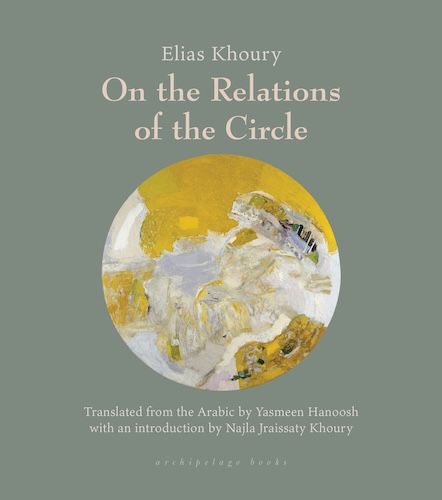
On the Relations of the Circle
In Beirut on the eve of the Lebanese Civil War, a young orphan named Mansour searches for the fragments of his identity: his origins, his family name, and the father he has never known. Yet his journey unfolds in a world where reality and imagination constantly overlap. Birds speak, trees become companions, and ordinary objects seem to possess lives of their own. Through dreamlike episodes, shifting perspectives, and stories that circle back upon themselves, Elias Khoury creates a portrait of a city poised on the edge of catastrophe. Published in 1975, the same year the Lebanese Civil War began, the novel explores how individuals construct their identities amid uncertainty and how storytelling can preserve a sense of belonging when history threatens to destroy it. Both playful and haunting, this experimental work introduces themes that would become central to Khoury’s writing: memory, displacement, fractured identity, and the enduring power of imagination.
2026
5
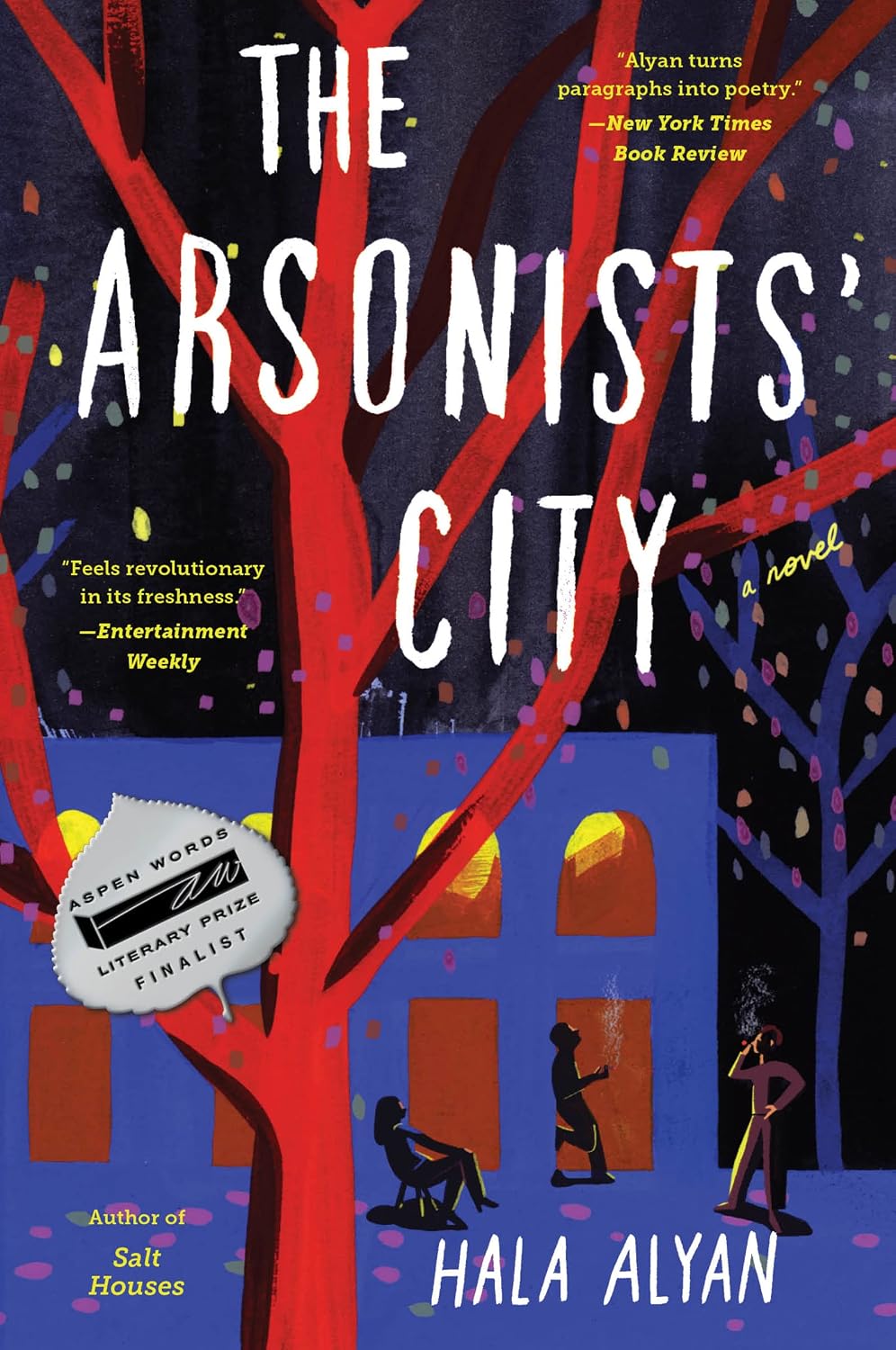
The Arsonists' City
The Arsonists' City
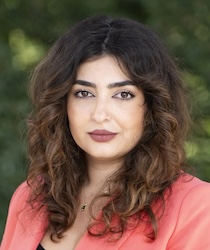
The Arsonists’ City follows the Nasr family, whose members are scattered across Beirut and the United States but remain connected by their shared history and their ancestral home in Lebanon. When Idris decides to sell the Beirut house following his father’s death, his wife, Mazna, and their three adult children return to prevent the sale. Their reunion brings buried secrets, old romantic entanglements, and unresolved resentments to the surface. Through shifting timelines, Alyan reveals how the family came together and how migration, political conflict, and personal choices gradually shaped their relationships. Each family member has developed a different understanding of home, belonging, and responsibility, creating tensions that threaten to pull them apart. Against the backdrop of Lebanon’s turbulent history, the novel explores intergenerational trauma, cultural identity, and the complicated bonds that connect people to their families and places of origin.
2021

Famous authors from Lebanon

About Lebanon

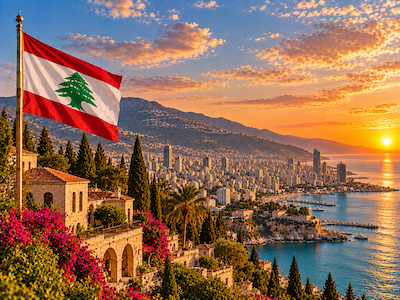
Lebanon is a small Mediterranean country where the sea, mountains, and fertile valleys meet within a remarkably compact landscape. From the coastal cities to the forests and highlands of Mount Lebanon and the Bekaa Valley, its geography has shaped a culture of travel, trade, and exchange. Beirut is the country’s major cultural center, while cities such as Byblos, Tripoli, and Sidon preserve layers of Phoenician, Roman, Arab, Ottoman, and modern history.

Region
Asia
Literary Context

Lebanon has one of the Arab world’s most diverse literary traditions, shaped by Arabic, French, and other multilingual influences. Its literary heritage reaches back to ancient Phoenician civilization, while later Arabic traditions developed through religious scholarship, poetry, storytelling, and intellectual exchange. The Nahda, or Arab cultural renaissance of the 19th and early 20th centuries, was particularly important in Beirut and Mount Lebanon. Modern Lebanese writers have often written about war, exile, migration, identity, memory, and the relationship between home and diaspora. Major figures include Mikhail Naimy, Khalil Gibran, Amin Maalouf, Hanan al-Shaykh, Elias Khoury, and Rabih Alameddine. Lebanese literature frequently moves between the personal and the political, reflecting the country’s religious and cultural diversity, its history of conflict, and the large Lebanese diaspora around the world.
Asia