Kyrgyzstan
Asia
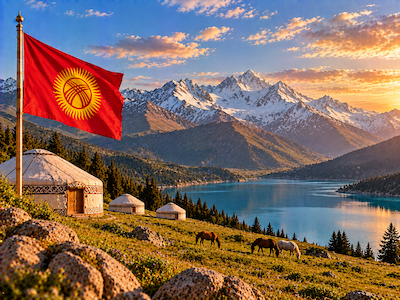

Kyrgyzstan is a mountainous country in Central Asia, dominated by the Tien Shan range, high alpine valleys, glaciers, and lakes. Its landscapes stretch from broad grasslands and mountain pastures to forests and remote valleys, with Issyk-Kul among its most distinctive natural landmarks. Bishkek is the modern cultural center, while the country’s heritage remains closely connected to nomadic traditions, horses, yurts, hospitality, and the landscapes of the steppe and mountains.
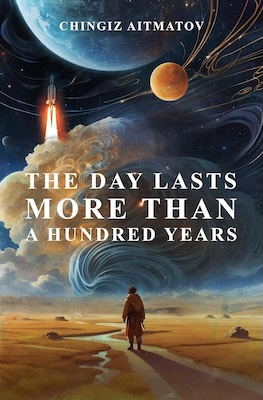
Kyrgyz literary culture has deep roots in oral storytelling, epic poetry, songs, legends, and genealogical traditions. The most important work is the enormous epic Manas, traditionally transmitted by generations of manaschi storytellers. It combines heroic narratives, history, mythology, and ideas about community, identity, and the relationship between people and the land. Modern Kyrgyz literature developed particularly strongly during the Soviet period, with Chingiz Aitmatov becoming the country’s most internationally recognized writer. His novels and stories, including Jamila, The Day Lasts More Than a Hundred Years, and The White Ship, often bring together Kyrgyz folklore and landscapes with questions of modernization, memory, morality, and cultural change. Contemporary Kyrgyz literature continues to explore nomadic heritage, national identity, family, migration, history, environmental change, and the tension between tradition and modern life.