Books from Italy
Suggest a book
All genres
Historical Fiction
Literary Fiction
Fantasy
Romance
Horror
Thriller
Non-Fiction
Mystery
Memoir
Classics
History
Sci-Fi
Contemporary Fiction
Science Fiction
Fiction
Poetry
Essays
Family Saga
Magical Realism
Family Drama
Dark Academia
Psychological Fiction
Dark Comedy
Political Writing
Feminist Fiction
Satire
Campus Fiction
Cultural Studies
Biography
Philosophy
Comedy
Drama
Young Adult
Gothic
Dystopia
Crime
Children's Books
Short Stories
Mythology
Cozy
Retellings
Humour
Adventure
All themes
Love & Passion
Adventure & Journey
Identity & Belonging
War & Conflict
Freedom & Resistance
Family & Heritage
Nature & Landscape
Society & Class
Spirituality & Faith
Solitude & Exile
Coming of Age
Revolution & Change
Friendship
History
Immigration
Myths and Retellings
Colonialism
Women & Society
Mental Health
Motherhood
1
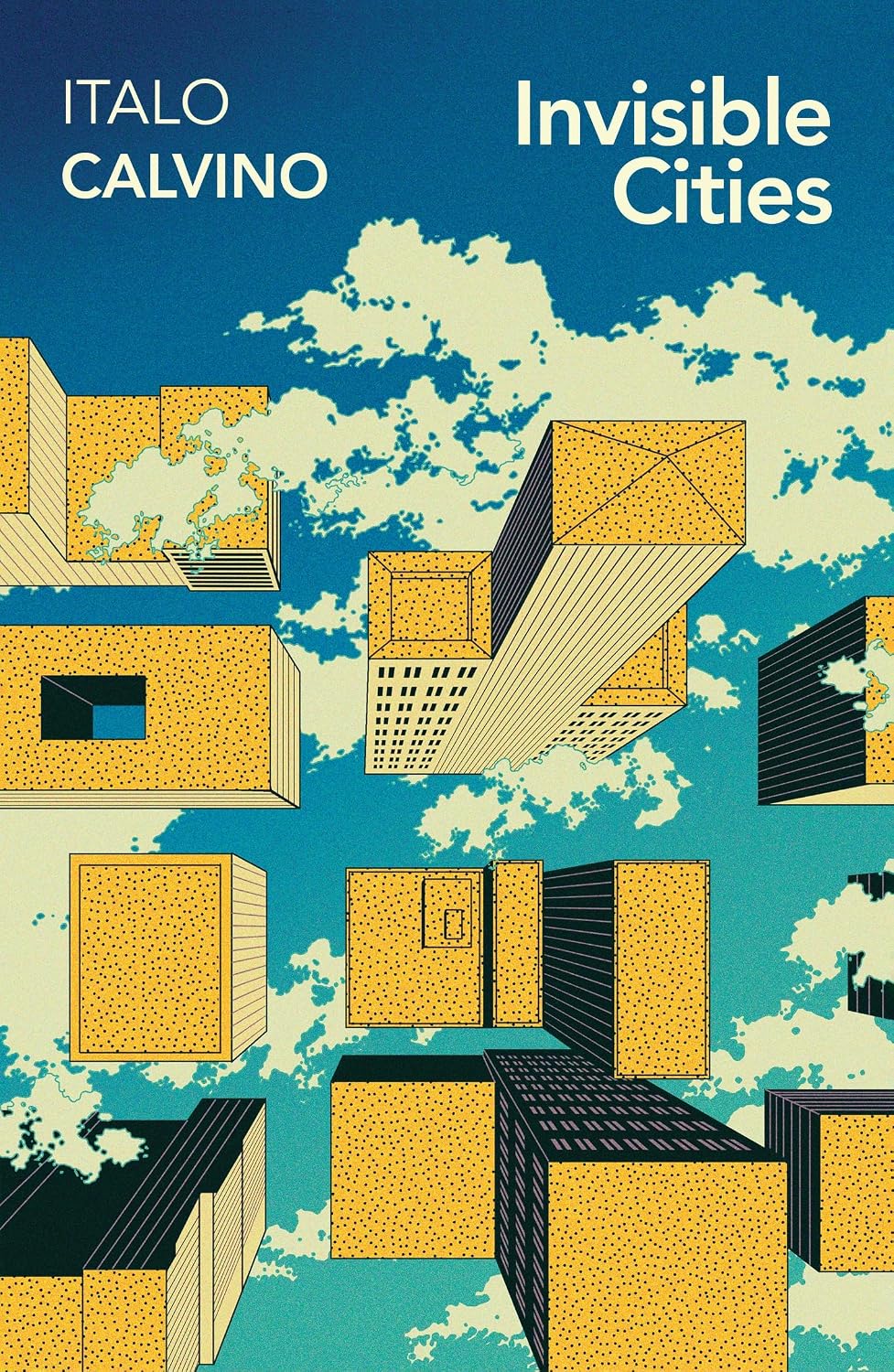
Invisible Cities
Invisible Cities imagines a series of conversations between the Venetian traveller Marco Polo and the Mongol emperor Kublai Khan. Polo describes extraordinary cities he claims to have visited, each possessing distinctive customs, architecture, memories, and relationships with time. Some cities seem suspended between life and death; others are organised around desire, exchange, or the endless accumulation of objects. Gradually, the descriptions become less like conventional travel accounts and more like meditations on human experience. Khan attempts to understand the vastness of his empire through Polo’s stories, while the traveller uses language to explore places that may reflect aspects of Venice itself. Calvino combines fantasy, philosophy, and poetic imagery to examine memory, communication, urban life, and the relationship between imagination and reality. The book invites readers to consider how cities express the hopes, fears, and contradictions of the people who inhabit them.
1972
2
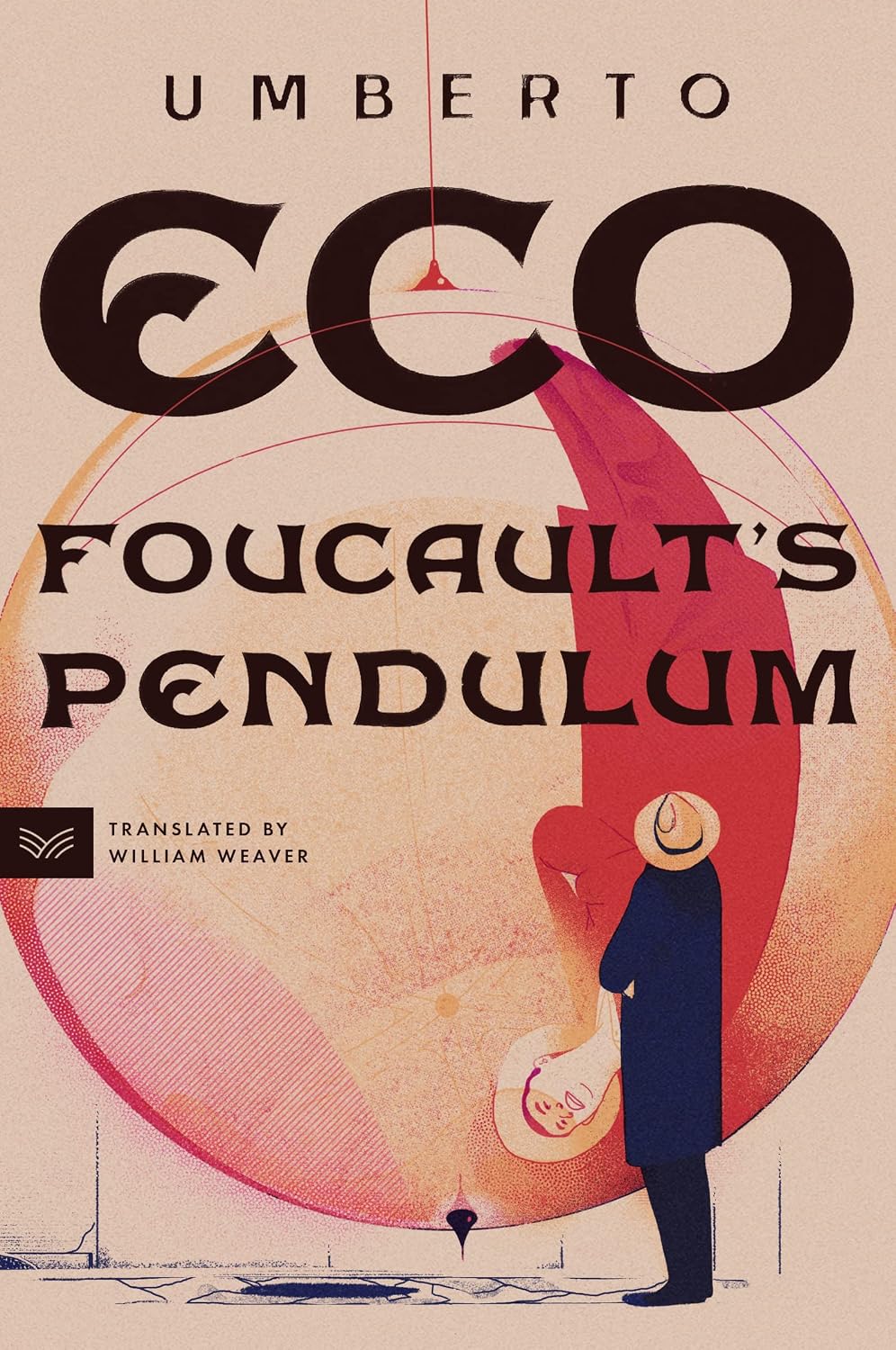
Foucault's Pendulum
Foucault’s Pendulum follows three Italian editors who work for a small publishing house specialising in obscure historical and occult manuscripts. As a private intellectual game, they begin inventing an elaborate conspiracy theory that connects secret societies, the Knights Templar, and centuries of hidden knowledge. Their fictional pattern gradually becomes more elaborate, drawing in real-world enthusiasts who believe the invented conspiracy reveals the truth about history. What begins as a playful exercise becomes increasingly dangerous as the editors lose control of the story they have created. Eco explores the human tendency to search for patterns and hidden meanings, showing how the desire to explain the world can lead people into irrational beliefs. Blending historical references, intellectual satire, and suspense, the novel examines conspiracy thinking, interpretation, and the dangers of confusing imaginative connections with evidence.
2007
3
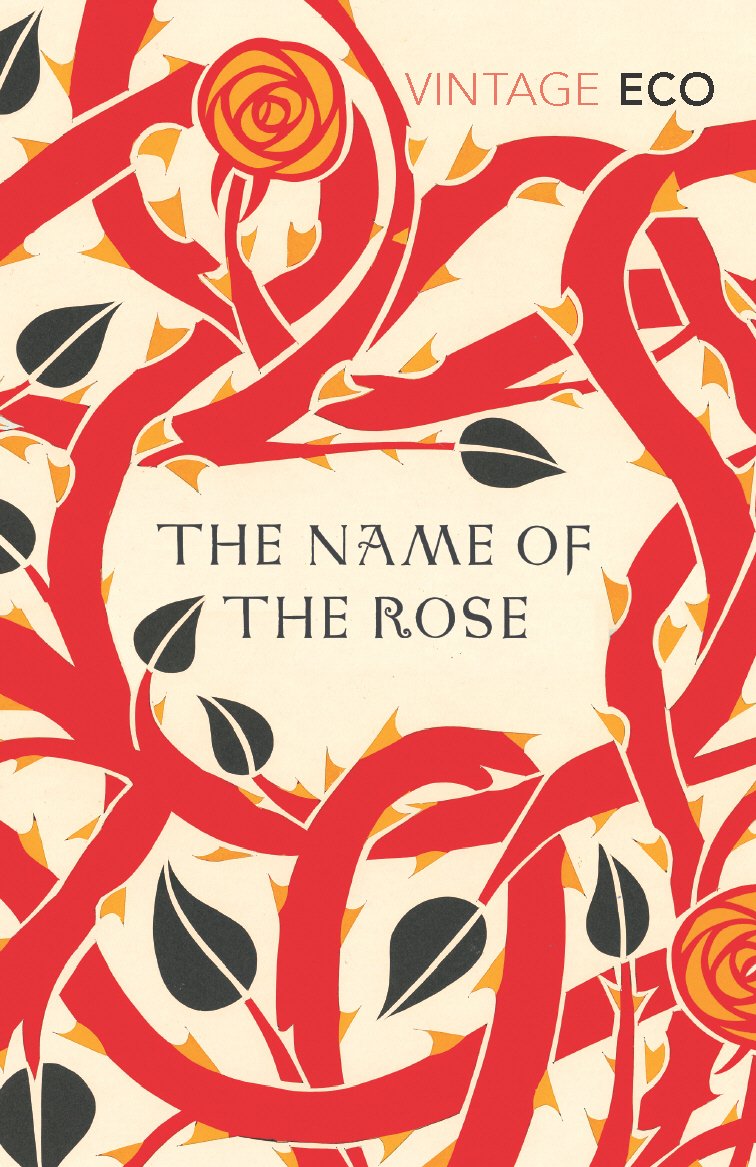
Name of the Rose
The Name of the Rose is a historical mystery set in an Italian Benedictine abbey in 1327. William of Baskerville, a Franciscan friar with a sharp analytical mind, arrives with his young assistant Adso of Melk just as a series of mysterious deaths begins to trouble the monastery. As William investigates, he discovers that the abbey’s extraordinary library contains forbidden knowledge and that disagreements over religious doctrine have created dangerous rivalries among the monks. The investigation becomes a struggle over the relationship between faith, reason, and the control of information. Eco combines medieval history, detective fiction, and philosophical debate to explore censorship, institutional authority, and the power of books. The novel asks whether knowledge can remain free when institutions fear the consequences of questioning established beliefs, revealing how the pursuit of truth can become dangerous in a world governed by rigid authority.
2023
4
Perfection
In Perfection, Anna and Tom are a young creative couple living in Berlin, where they enjoy a carefully curated lifestyle of remote work, minimalist interiors, cultural experiences, and seemingly effortless happiness. Surrounded by the aesthetics of contemporary urban life, they appear to have achieved the freedom and fulfillment they desire. Yet beneath their polished routines lies a growing sense of emptiness and dissatisfaction. Through precise, detached prose, Vincenzo Latronico examines the contradictions of digital nomadism, gentrification, consumer culture, and the pursuit of an ideal life shaped by social media. The novel offers a sharp portrait of a generation caught between the desire for authenticity and the pressure to make every aspect of life look perfect.
2025
5

Rimini
Set during the summer of 1983, Rimini brings together the lives of seven people in the bustling seaside resort on Italy’s Adriatic coast. At the center is Marco Bauer, a young journalist sent from Rome to manage his newspaper’s summer edition. Hoping to establish his reputation, he becomes involved in a story that leads him into a world of political corruption, professional rivalries, and unexpected relationships.
Around him, other lives unfold: a German woman searches for her missing younger sister, two aspiring filmmakers struggle to finance their ambitions, a lonely musician seeks connection among the coastal nightclubs, and a struggling hotel owner faces financial ruin. Their stories intersect against a backdrop of crowded beaches, neon lights, discos, and the restless energy of Italy in the 1980s.
With vivid characters and a cinematic atmosphere, Tondelli transforms Rimini into a portrait of contemporary Italian society, exposing the tensions beneath its image of carefree summer pleasures. The novel explores ambition, desire, loneliness, and the pursuit of happiness in a world increasingly shaped by money, spectacle, and fleeting connections.
2026