Italy
Europe
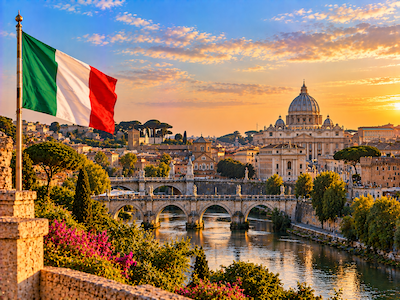
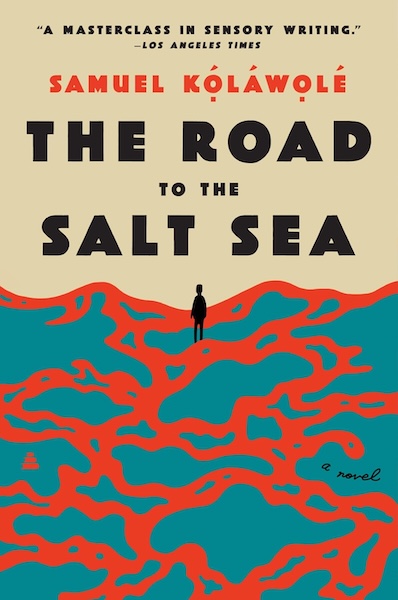
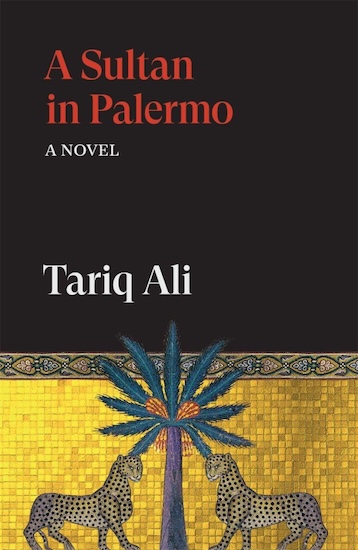
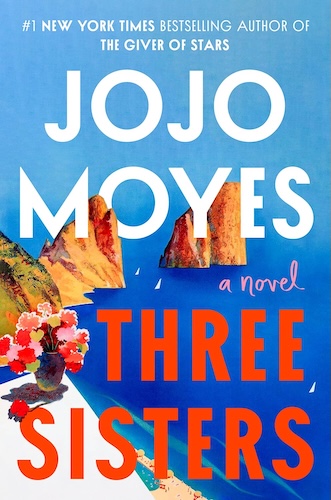
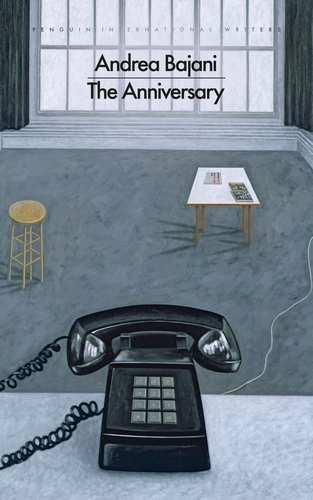
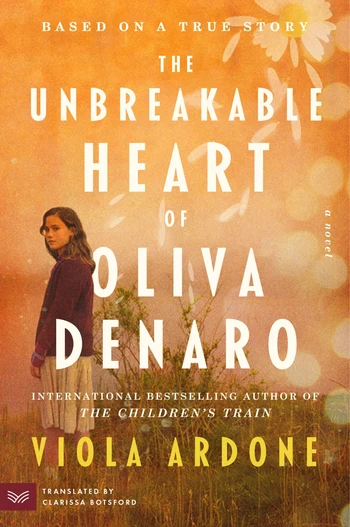
Italy stretches from the Alps in the north to the Mediterranean islands of Sicily and Sardinia, encompassing mountains, lakes, fertile plains, vineyards, long coastlines, and historic cities. Its cultural landscape has been shaped by ancient Roman, Etruscan, Greek, Christian, Byzantine, Arab, and medieval traditions, with strong regional identities that remain visible in language, cuisine, architecture, and customs.
Italy has played a foundational role in European literature. The Italian literary tradition emerged strongly in the Middle Ages, with Dante Alighieri’s Divine Comedy becoming one of the defining works of Western literature. Petrarch and Boccaccio further established the importance of Italian vernacular writing, while the Renaissance produced figures such as Machiavelli, Ariosto, and Tasso. Modern Italian literature has explored social class, regional identity, politics, war, memory, and the changing nature of Italian society. Major writers include Alessandro Manzoni, Luigi Pirandello, Italo Svevo, Italo Calvino, Primo Levi, Natalia Ginzburg, Elsa Morante, and Elena Ferrante. Italy’s literary landscape is particularly notable for the tension between local identities and a broader sense of national culture, as well as the influence of migration and Italy’s complex relationship with its past.