Books from Italy
Suggest a book
All genres
Historical Fiction
Literary Fiction
Fantasy
Romance
Horror
Thriller
Non-Fiction
Mystery
Memoir
Classics
History
Sci-Fi
Contemporary Fiction
Science Fiction
Fiction
Poetry
Essays
Family Saga
Magical Realism
Family Drama
Dark Academia
Psychological Fiction
Dark Comedy
Political Writing
Feminist Fiction
Satire
Campus Fiction
Cultural Studies
Biography
Philosophy
Comedy
Drama
Young Adult
Gothic
Dystopia
Crime
Children's Books
Short Stories
Mythology
Cozy
Retellings
Humour
Adventure
All themes
Love & Passion
Adventure & Journey
Identity & Belonging
War & Conflict
Freedom & Resistance
Family & Heritage
Nature & Landscape
Society & Class
Spirituality & Faith
Solitude & Exile
Coming of Age
Revolution & Change
Friendship
History
Immigration
Myths and Retellings
Colonialism
Women & Society
Mental Health
Motherhood
1
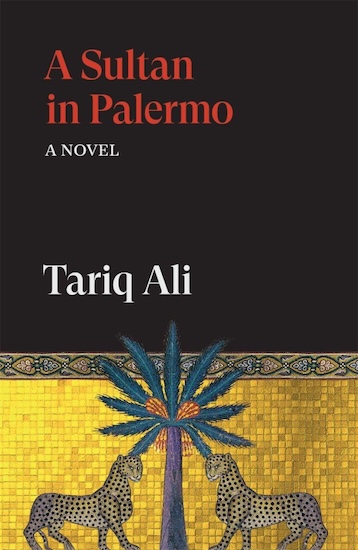
A Sultan in Palermo (The Islam Quintet)
Set in Sicily in 1153, A Sultan in Palermo explores a fascinating period when Norman rulers governed an island deeply shaped by Arab and Muslim culture. Palermo is a flourishing centre of learning, where Arabic language and intellectual traditions remain influential despite the political dominance of Christian rulers. At the heart of the novel is Muhammad al-Idrisi, a celebrated Muslim cartographer and scholar, who serves King Roger II of Sicily, known to his Muslim subjects as Sultan Rujari.
As Idrisi navigates his friendship with the ageing ruler, he becomes increasingly torn between loyalty to the royal court and solidarity with fellow Muslims who are resisting Norman rule or preparing to leave the island. Surrounded by political intrigue, religious tensions, and personal desires, he must confront the moral compromises of life under an increasingly unstable regime. Blending historical figures with imaginative storytelling, Tariq Ali explores cultural coexistence, the struggle for power, and the fragile relationship between political authority and personal conscience. The novel is the fourth book in Ali’s Islam Quintet.
2026
2
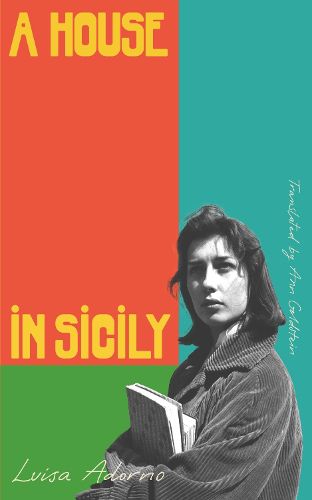
A House in Sicily
Set in postwar Japan in 1959, Twilight in Musashino begins with the discovery of a young Japanese flight attendant strangled on the icy banks of a river. As Detective Fujisawa investigates the murder, his attention turns to a foreign priest and the Guglielmo Church, a charitable Christian mission with an unsettling connection to the victim. What initially appears to be a straightforward criminal investigation gradually reveals a tangled web involving narcotics, postwar relief operations, and international diplomacy. The deeper Fujisawa digs, the more he encounters powerful institutions determined to protect their reputations and conceal uncomfortable truths. Blending meticulous police work with an incisive examination of social power, Seicho Matsumoto constructs a slow-burning mystery in which the pursuit of justice collides with political influence and institutional silence. The novel offers a compelling portrait of a society negotiating its identity in the aftermath of war, exposing the tensions between public morality and private corruption.
2026
3
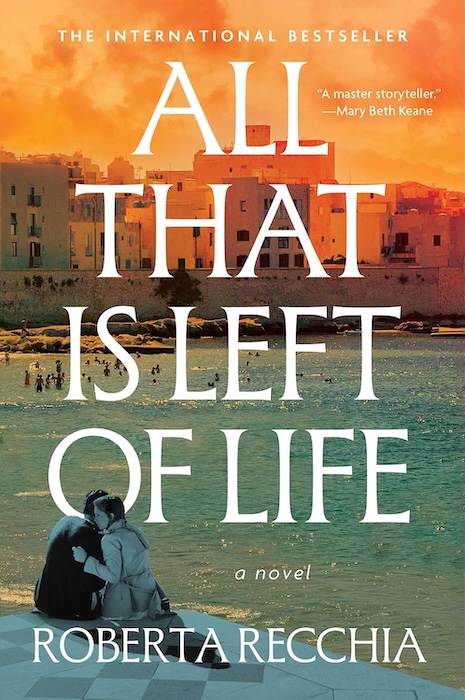
All That Is Left of Life
Three generations of the Ansaldo family grapple with the aftermath of a tragic murder in this sweeping, cinematic debut set in 1980s Rome, for fans of Elena Ferrante and Liz Moore.
It’s a sultry August night when sixteen-year-old Betta Ansaldo convinces her cousin Miriam to sneak out to the local beach for a party. Only Miriam returns. Traumatized by the violence she’s witnessed, she remains silent. The small community is riven with grief, none more so than the Ansaldos, who search for answers they cannot find. Who did Betta cross paths with on that fateful night? What was she doing there? And how could such a horrific crime happen in such a peaceful place?
As the years pass, and Betta’s murder goes unsolved, the Ansaldo family fractures under the weight of their loss. When Miriam meets Leo, a sweet-natured young man with a dark past, their romance seems to turn her life around. But when Leo starts to pull loose the threads of Betta’s story, determined to find out what really happened, his search for the truth risks unraveling everything.
2026
4
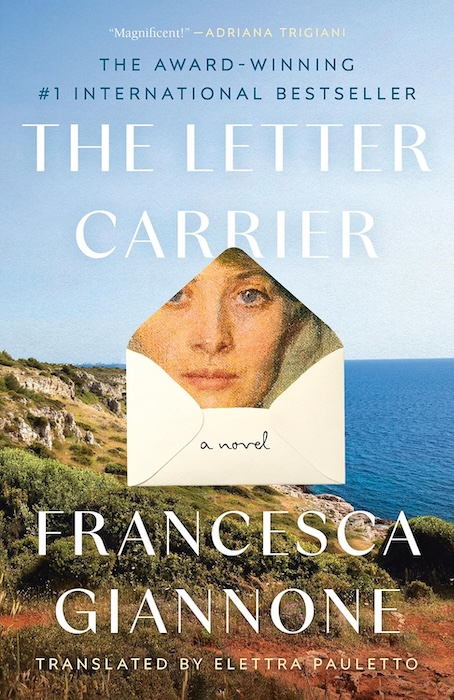
The Letter Carrier
In June 1934, Anna arrives with her husband, Carlo, in the small southern Italian village of Lizzanello, in the sun-soaked region of Salento. An outsider from northern Italy, she stands apart from the village women: she reads unconventional books, refuses to follow traditional expectations, and believes women deserve the same rights as men. When the local post office begins hiring, Anna seizes the opportunity to become the village’s first female letter carrier—a decision that challenges deeply rooted social conventions.
As she delivers letters carrying news of love, separation, longing, and loss, Anna gradually becomes an essential thread connecting the community. Yet beneath the village’s familiar rhythms lie forbidden desires, old resentments, and family secrets that threaten to change several lives forever. Inspired by the author’s own great-grandmother, this sweeping historical novel explores a woman’s determination to shape her own destiny in a world that expects her to conform.
2025
5
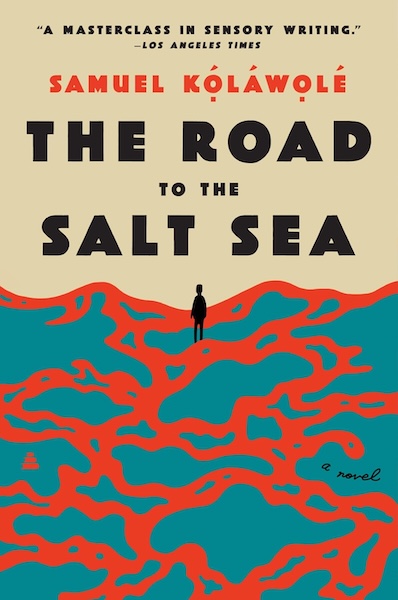
The Road to the Salt Sea
Able God is a bright young Nigerian man with an engineering degree, a love of chess, and hopes for a better future. But instead of building the life he imagined, he works long hours delivering room service at a luxury hotel, serving wealthy guests while struggling to make ends meet. When an encounter with a powerful and dangerous hotel guest turns violent, Able God finds himself caught in a situation that leaves him with few options. Fearing the consequences, he flees Nigeria and joins a group of migrants travelling across the Sahara toward Europe.
Led by a charismatic religious figure, the travellers embark on a perilous journey through Niger and Libya, hoping to reach a place where they can begin again. Instead, they encounter human traffickers, starvation, exploitation, and violence. As survival becomes his only priority, Able God is forced to question his beliefs about morality, faith, and the possibility of a better life. In The Road to the Salt Sea, Samuel Kolawole offers a powerful portrait of migration, exposing the human cost of inequality and the desperate choices made by those seeking safety and opportunity beyond their homeland.
2024
6
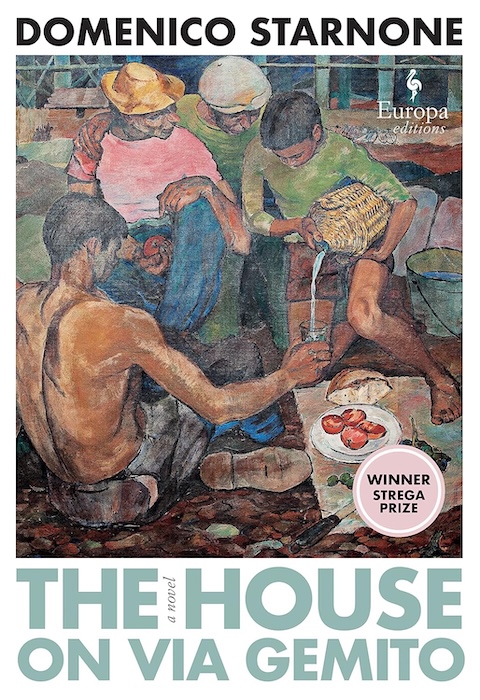
House on Via Gemito
Domenico Starnone is an Italian novelist, screenwriter, and journalist, born in 1943 in Naples. Before establishing himself as a novelist, he worked as a teacher and wrote for newspapers and satirical publications, often drawing on his experiences in the Italian education system. His fiction is known for its psychological precision, sharp humour, and exploration of the tensions underlying family relationships, marriage, and personal identity. Starnone frequently examines how people construct narratives about themselves and others, revealing the contradictions between memory, truth, and self-deception. His notable works include Ties, Trick, and The House on Via Gemito, which won the prestigious Strega Prize in 2001. His writing often combines intimate domestic conflicts with broader reflections on social expectations, masculinity, ageing, and artistic ambition. Internationally acclaimed for his subtle, layered storytelling, Starnone has become an important voice in contemporary Italian literature.
2024
7
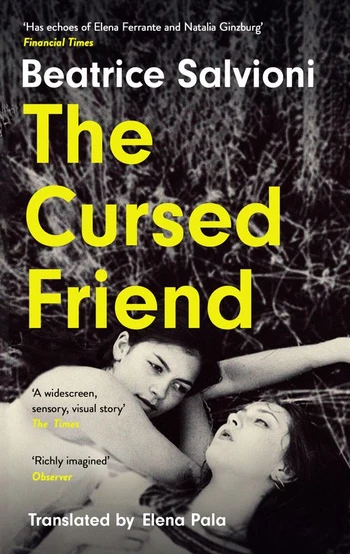
The Cursed Friend
Italy, 1935. Francesca is a respectable girl from a bourgeois family, but she longs for a life beyond the suffocating rules of her small town. Her attention is drawn to Maddalena, a fearless outsider whom everyone calls the Cursed One. When Francesca lies to protect her, an unexpected friendship begins—one that will challenge everything she has been taught about obedience, morality, and what it means to be a girl. As fascism tightens its grip on Italy, the two friends confront prejudice, violence, and a society determined to keep women in their place. Fierce and emotionally charged, this novel explores the transformative power of female friendship and the courage it takes to resist injustice.
2023
8
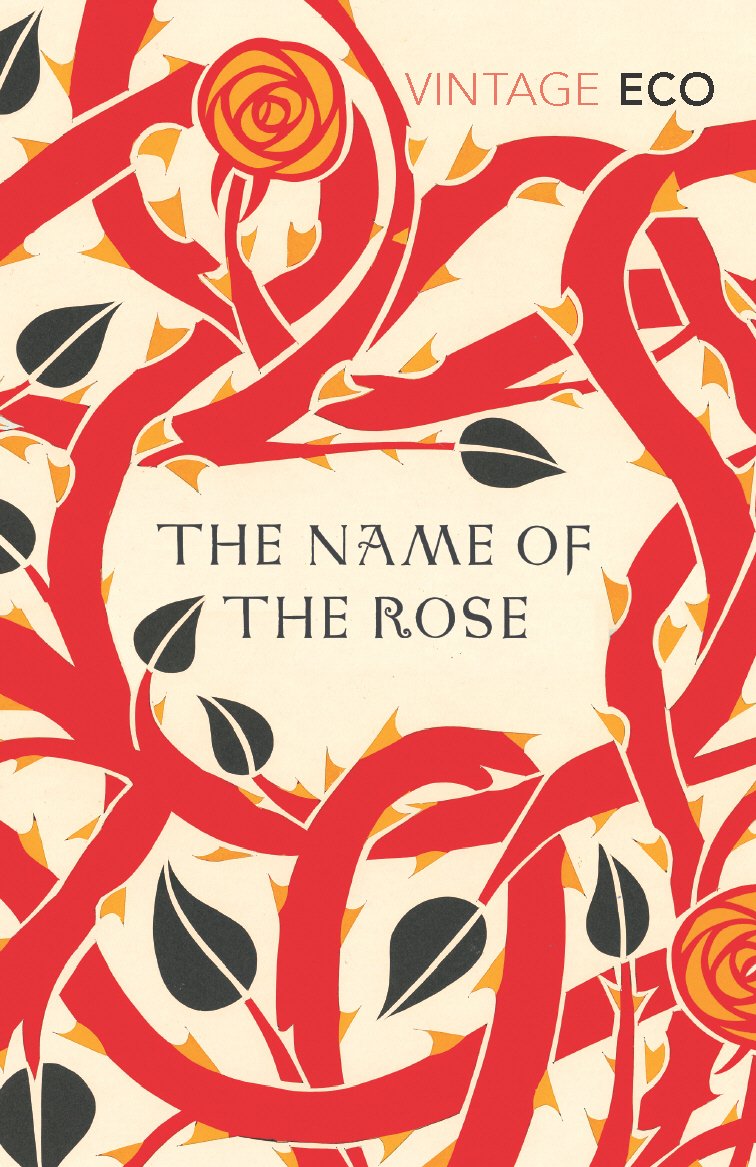
Name of the Rose
The Name of the Rose is a historical mystery set in an Italian Benedictine abbey in 1327. William of Baskerville, a Franciscan friar with a sharp analytical mind, arrives with his young assistant Adso of Melk just as a series of mysterious deaths begins to trouble the monastery. As William investigates, he discovers that the abbey’s extraordinary library contains forbidden knowledge and that disagreements over religious doctrine have created dangerous rivalries among the monks. The investigation becomes a struggle over the relationship between faith, reason, and the control of information. Eco combines medieval history, detective fiction, and philosophical debate to explore censorship, institutional authority, and the power of books. The novel asks whether knowledge can remain free when institutions fear the consequences of questioning established beliefs, revealing how the pursuit of truth can become dangerous in a world governed by rigid authority.
2023
9
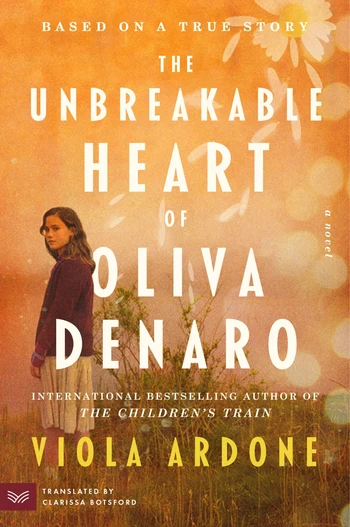
The Unbreakable Heart of Oliva Denaro
Sicily, 1960s. Fifteen-year-old Oliva Denaro loves running through the countryside and dreams of a life beyond the strict rules imposed on girls. But when a local boy decides he wants her, Oliva discovers how little control a young woman has over her own future in a society ruled by tradition and shame. Inspired by a true story, this moving novel follows Oliva’s courageous struggle to reclaim her freedom in a world that expects women to remain silent. Through her determination, Viola Ardone explores the cost of defiance and the extraordinary strength it takes to say no when everyone expects you to obey.
2021
10
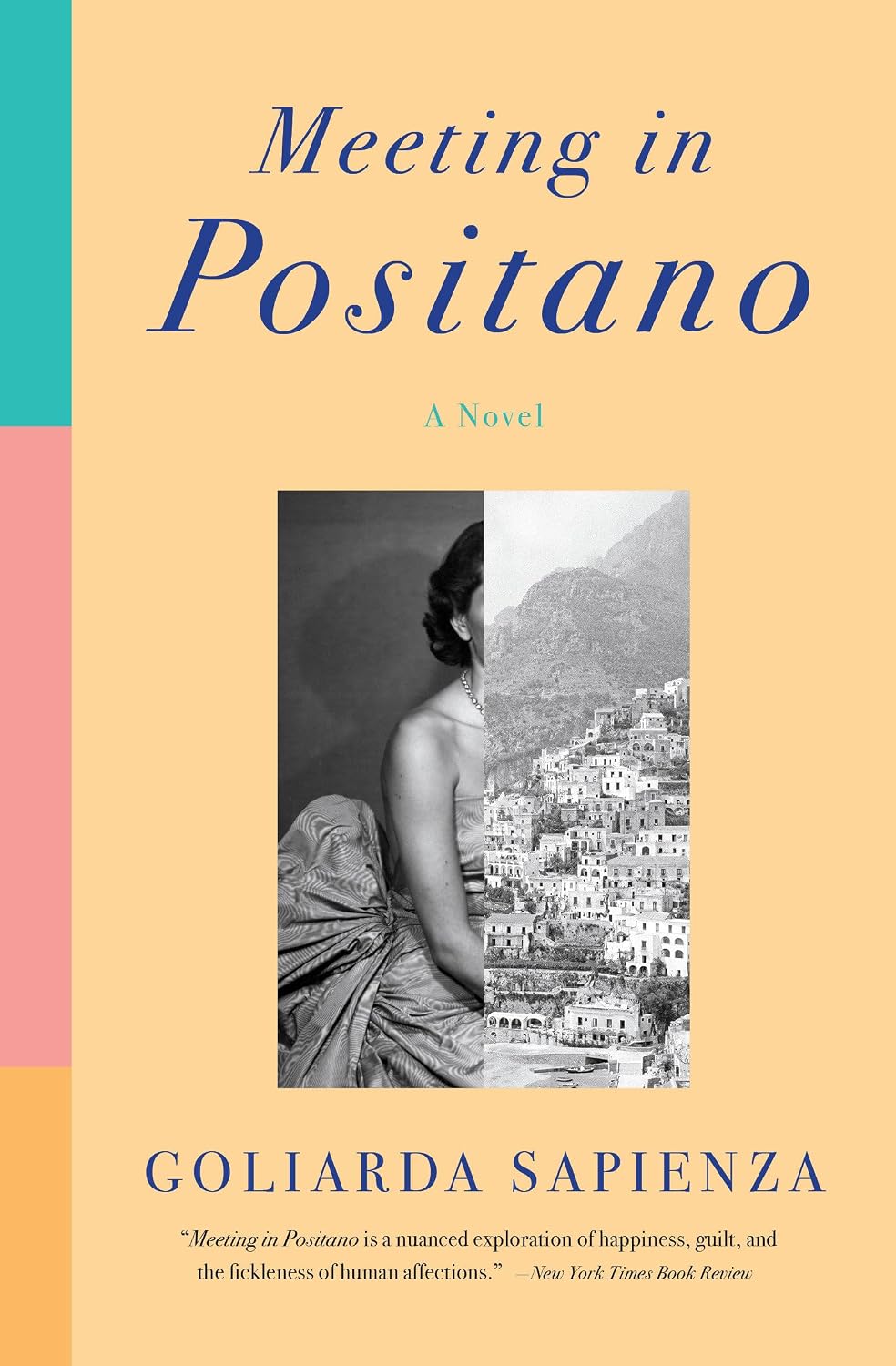
Meeting in Positano
Meeting in Positano is a posthumously published autobiographical novel that recounts Goliarda Sapienza’s encounter with Erica, a young woman she meets in the picturesque coastal town of Positano in southern Italy. Despite their differences in age, background, and temperament, the two women form an intense and unexpected bond that challenges their assumptions about friendship, independence, and belonging.
Set against the sunlit landscapes and close-knit social world of postwar Italy, the novel explores the complexities of female relationships and the ways encounters with others can transform our understanding of ourselves. Sapienza reflects on freedom, loneliness, desire, and the tension between individual identity and social expectations. Her prose combines personal recollection with sharp observations of Italian society, revealing the emotional intensity beneath seemingly ordinary interactions. Both intimate and reflective, Meeting in Positano celebrates the unexpected connections that can emerge between women and the possibility of discovering new perspectives on life through another person’s presence.
2015
11

My Brilliant Friend
My Brilliant Friend follows Elena Greco and Raffaella Cerullo, known as Lila, two intelligent and ambitious girls growing up in a poor neighborhood of Naples in the 1950s. Despite their contrasting personalities, they develop a complex friendship shaped by admiration, rivalry, jealousy, and affection. As they navigate childhood and adolescence, both confront the limitations imposed by poverty, gender expectations, and a society marked by violence and rigid social hierarchies. While Elena continues her education, Lila’s opportunities are increasingly restricted, creating a tension that follows them as their lives take different directions. Through their evolving relationship, Ferrante explores female friendship, ambition, identity, and the transformative power of education. The novel is the first installment of the Neapolitan series, offering an intimate portrait of growing up and discovering oneself in a changing Italy.
2011
12
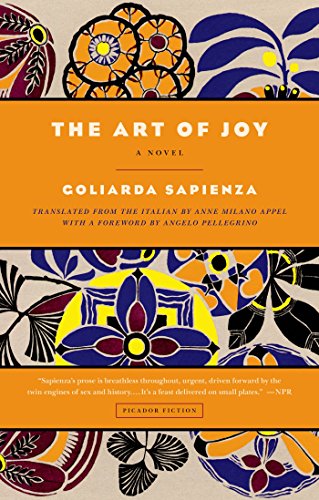
Art of Joy
The Art of Joy follows Modesta, a fiercely independent woman born into poverty in Sicily on New Year’s Day 1900. After a difficult childhood marked by family tragedy, she finds refuge in a convent, but her intelligence, ambition, and refusal to accept the limits imposed on women lead her toward a very different life. Through determination and cunning, Modesta rises into aristocratic society, building relationships and pursuing intellectual, emotional, and sexual freedom on her own terms.
Spanning much of the twentieth century, the novel follows Modesta through personal transformations and the political upheavals of modern Italian history. Goliarda Sapienza challenges conventional ideas about morality, religion, marriage, and femininity, presenting a protagonist who refuses to be defined by society’s expectations. Bold, sensual, and politically provocative, the novel celebrates the pursuit of pleasure and self-determination while examining the contradictions involved in living freely in an unequal world.
1998