Books from Italy
Suggest a book
All genres
Historical Fiction
Literary Fiction
Fantasy
Romance
Horror
Thriller
Non-Fiction
Mystery
Memoir
Classics
History
Sci-Fi
Contemporary Fiction
Science Fiction
Fiction
Poetry
Essays
Family Saga
Magical Realism
Family Drama
Dark Academia
Psychological Fiction
Dark Comedy
Political Writing
Feminist Fiction
Satire
Campus Fiction
Cultural Studies
Biography
Philosophy
Comedy
Drama
Young Adult
Gothic
Dystopia
Crime
Children's Books
Short Stories
Mythology
Cozy
Retellings
Humour
Adventure
All themes
Love & Passion
Adventure & Journey
Identity & Belonging
War & Conflict
Freedom & Resistance
Family & Heritage
Nature & Landscape
Society & Class
Spirituality & Faith
Solitude & Exile
Coming of Age
Revolution & Change
Friendship
History
Immigration
Myths and Retellings
Colonialism
Women & Society
Mental Health
Motherhood
1
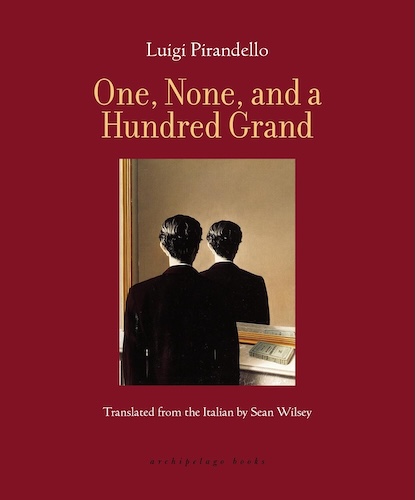
One, None, and a Hundred Grand
In One, None, and a Hundred Grand, Vitangelo Moscarda discovers that his wife sees his nose as slightly crooked, a detail he has never noticed himself. This seemingly trivial observation triggers an existential crisis as he realizes that everyone perceives him differently, creating countless versions of his identity. As he attempts to escape these conflicting images, he begins to question the nature of selfhood, reality, and social identity. Through absurdity and philosophical reflection, Pirandello explores the instability of personal identity and the impossibility of truly knowing oneself through the eyes of others.
2025
2
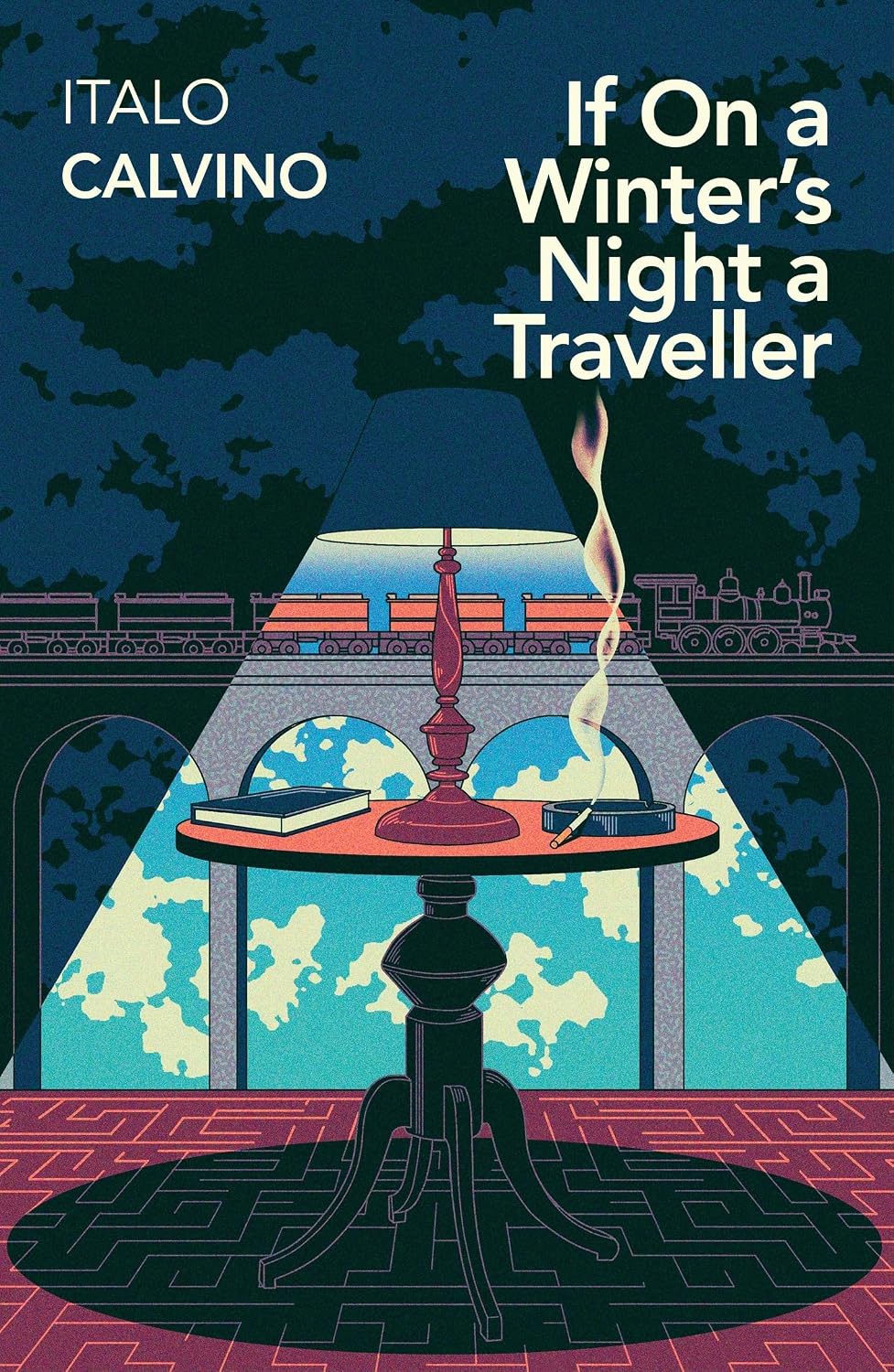
If on a Winter's Night a Traveler
If on a winter’s night a traveler is an experimental novel that places the reader at the centre of the story. It begins with a reader attempting to enjoy a new book by Italo Calvino, only to discover that the text is incomplete. As the reader searches for the missing continuation, they encounter a series of other novels, each beginning in a different literary style but ending abruptly. Along the way, the reader becomes involved with Ludmilla, another reader who shares the desire to discover how the stories conclude. Calvino turns the act of reading into an adventure, examining the relationship between authors, readers, and the books they create together. The novel explores curiosity, interpretation, and the human desire for narrative closure, playfully questioning whether a story’s meaning lies in its ending, its beginning, or the experience of reading itself.
1982
3
Moon and the Bonfires
The Moon and the Bonfires follows Anguilla, a man who returns to the rural village in northern Italy where he grew up after spending years abroad, including a period in America. Born into poverty and raised by foster parents, he left his homeland in search of a better life. Now successful but unsettled, he hopes to reconnect with his past and understand the forces that shaped his identity.
As Anguilla revisits familiar landscapes and reconnects with his childhood friend Nuto, memories of his youth mingle with the painful realities of wartime Italy. The countryside he remembers has been transformed by poverty, political violence, and the consequences of the Resistance. Through these encounters, Cesare Pavese explores belonging, exile, memory, and the impossibility of truly returning home. The title refers to rural rituals associated with the changing seasons, evoking a world where ancient traditions coexist with modern upheaval. Both a personal quest and a reflection on Italy’s troubled history, the novel asks whether a person can ever recover the place they once called home.
1950