Iceland

Europe
Iceland
4
books
3
authors

Books from Iceland

1
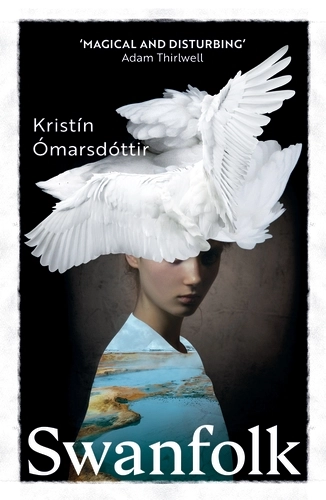
Swanfolk
Swanfolk
Set in a strange, unsettling future, Swanfolk follows Elísabet Eva, a young intelligence agent whose life begins to unravel after a traumatic assignment in Paris. Seeking solitude, she takes long walks beside a lake, where she encounters mysterious creatures that are half-woman and half-swan. Fascinated by these beings, she gradually enters their hidden world and becomes entangled in their obsessive, sometimes violent struggle to exist alongside humans. As her involvement deepens, Elísabet begins to question her own perceptions and the reliability of her memories. Blending surrealism, dark fantasy, and psychological fiction, Kristín Ómarsdóttir’s novel explores the fragile boundaries between reality and imagination, belonging and alienation, and the human desire to escape one’s past. Strange, lyrical, and unsettling, Swanfolk uses its mythical creatures to examine the complexities of identity and the difficulty of understanding oneself.
2019
2
Advent
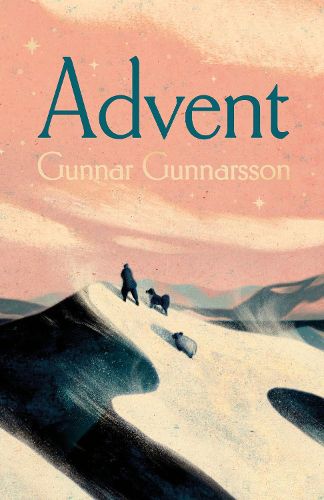
Advent
Every winter, in the days leading up to Christmas, Benedikt, a humble Icelandic shepherd, ventures into the mountains to rescue sheep stranded in the snow. Accompanied by his faithful dog and a stubborn old ram, he travels through a landscape of blizzards, frozen valleys and treacherous mountain passes, driven by a deep sense of responsibility toward vulnerable living creatures. His annual journey is physically demanding and potentially fatal, yet Benedikt accepts its hardships as an essential part of his life. Against the vastness and brutality of Iceland’s winter wilderness, his quiet determination becomes an extraordinary expression of compassion, humility and spiritual devotion. Blending the simplicity of a fable with vivid descriptions of the natural world, Gunnarsson creates a meditation on human endurance and the relationship between people and nature. Advent is both a portrait of an individual guided by kindness and a celebration of the profound peace that can be found in a life devoted to helping others.
1940
3
Independent People
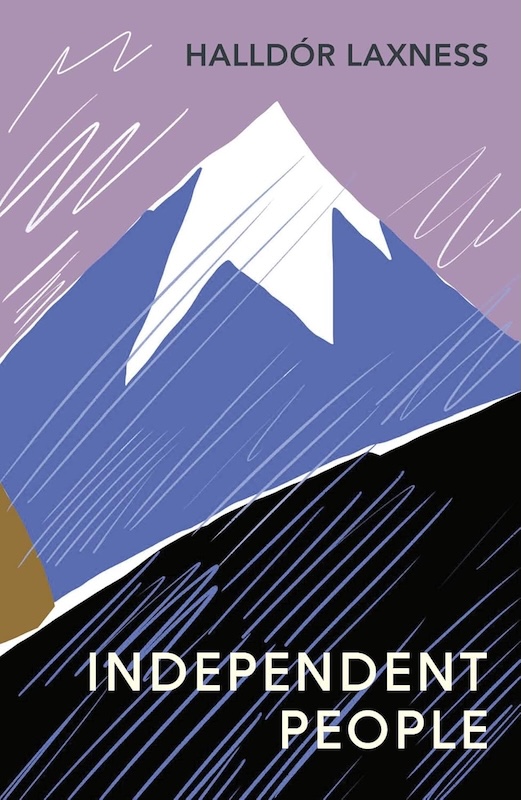
Independent People
Independent People follows Bjartur of Summerhouses, a stubborn Icelandic sheep farmer determined to achieve financial independence after years of working as a tenant. Having finally acquired his own small farm, he dedicates his life to preserving his freedom, believing that self-sufficiency is the highest form of dignity. However, his relentless pursuit of independence comes at a devastating cost to his family, particularly his wife and children, who endure poverty, isolation, and emotional hardship. Set against Iceland’s harsh rural landscape in the early twentieth century, the novel portrays the struggle between individual ambition and human connection. Through Bjartur’s tragic determination, Halldór Laxness explores poverty, pride, social inequality, and the contradictions of freedom, questioning whether a life entirely devoted to independence can ever lead to genuine happiness.
1997
4
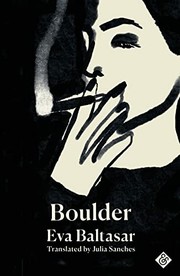
Boulder
Boulder
In Boulder, Eva Baltasar tells the story of a solitary woman who works as a cook on a ship and finds comfort in a life defined by independence, physical desire, and freedom from emotional commitments. Her carefully constructed world changes when she meets Samsa, a woman with whom she begins a relationship. When Samsa expresses her desire to become a mother, their partnership enters unfamiliar territory, forcing Boulder to confront the tensions between intimacy and autonomy. Through sparse, intense prose, Baltasar explores queer desire, jealousy, motherhood, and the difficulty of building a shared life without losing oneself. The novel offers an uncompromising portrait of love as both a source of connection and a challenge to personal freedom.
2022

Famous authors from Iceland

About Iceland

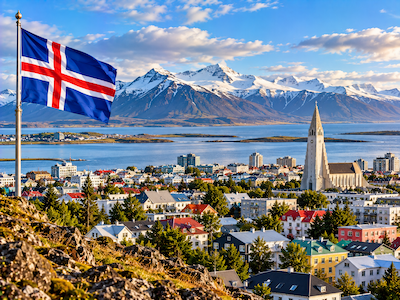
Iceland is a North Atlantic island shaped by volcanoes, glaciers, mountains, lava fields, black-sand beaches, and powerful geothermal landscapes. Reykjavík is the country’s cultural center, while smaller coastal communities connect closely to the sea and surrounding wilderness. Icelandic culture has been influenced by its Norse heritage, distinctive language, strong storytelling traditions, and a close relationship with the natural environment.

Region
Europe
Literary Context

Iceland has one of the world’s most distinctive medieval literary traditions. The Icelandic sagas—written mainly in the 13th and 14th centuries—tell stories of families, explorers, warriors, conflicts, and everyday life, while the Eddas preserve some of the most important surviving Norse mythology and poetry. These works remain central to Iceland’s cultural identity. Modern Icelandic literature has continued this strong storytelling tradition through poetry, novels, and crime fiction. Major writers include Halldór Laxness, the country’s only Nobel Prize winner in Literature, as well as Sjón, Auður Ava Ólafsdóttir, Arnaldur Indriðason, and Jón Kalman Stefánsson. Recurring themes include isolation, nature, family, memory, mythology, social change, and the tension between traditional life and modern Iceland.
Europe