India
Asia
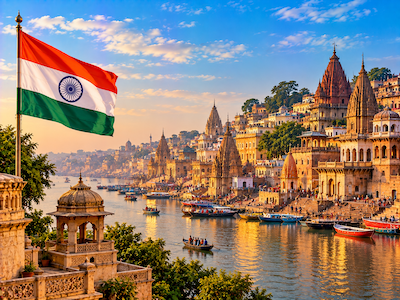
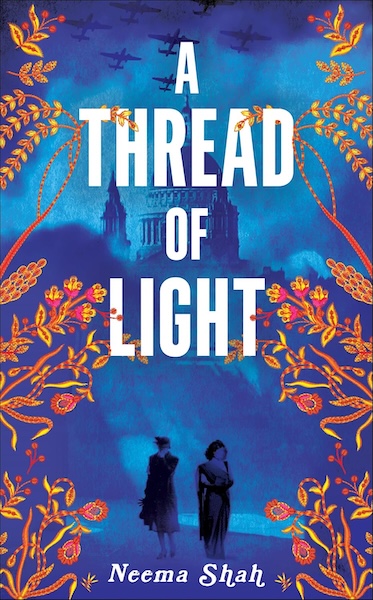
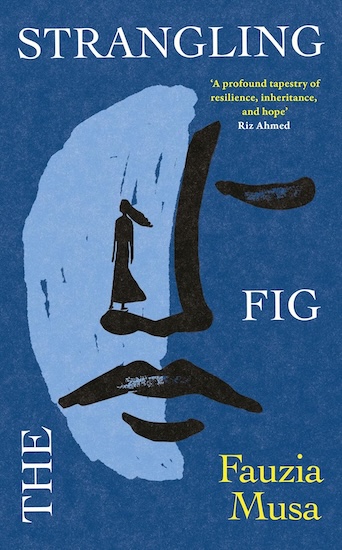
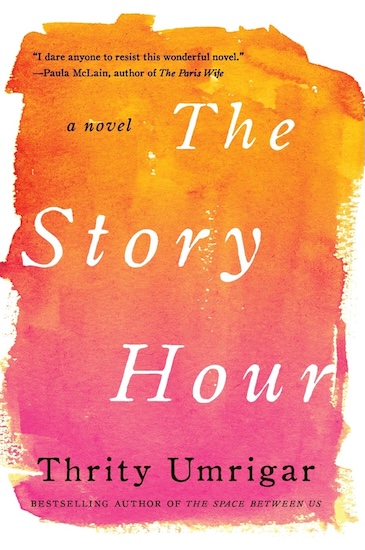
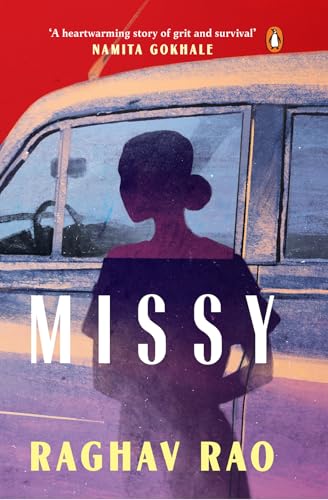
India is one of the world’s most geographically and culturally diverse countries, stretching from the Himalayan mountains to tropical coasts and from the Thar Desert to the forests and plains of the subcontinent. Its many regions are shaped by distinct languages, religions, cuisines, traditions, and histories. India’s cultural landscape reflects ancient civilizations alongside centuries of Buddhist, Hindu, Jain, Islamic, Sikh, Christian, Persian, European, and other influences.
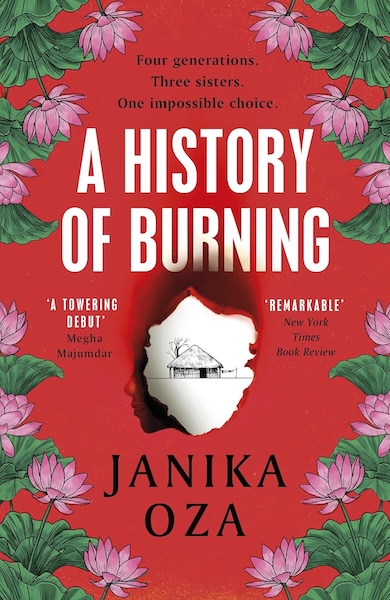
India has one of the world’s oldest and most diverse literary traditions. Ancient Sanskrit literature includes the Mahabharata, Ramayana, Vedas, Upanishads, poetry, drama, and philosophical texts, while Tamil has a classical literary tradition dating back more than two thousand years. India’s many regional languages—including Bengali, Hindi, Urdu, Malayalam, Marathi, Kannada, Telugu, Gujarati, Punjabi, and Assamese—have developed their own rich literary traditions. Modern Indian literature encompasses colonialism, independence, caste, gender, religion, migration, family, and the tension between tradition and modernity. Major writers include Rabindranath Tagore, the first Asian Nobel laureate in Literature, Premchand, Mulk Raj Anand, R. K. Narayan, Ismat Chughtai, Mahasweta Devi, Arundhati Roy, Amitav Ghosh, and Salman Rushdie. Contemporary Indian writing increasingly brings together regional voices, Dalit and Adivasi literature, feminist writing, and the experiences of the Indian diaspora.