Ireland
Europe
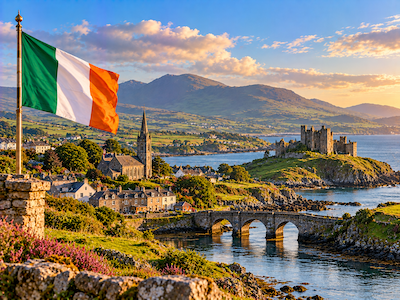
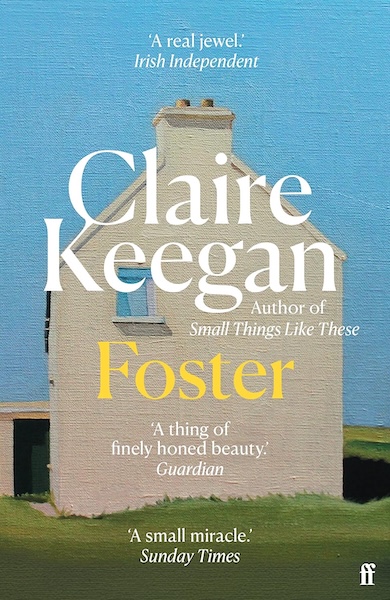
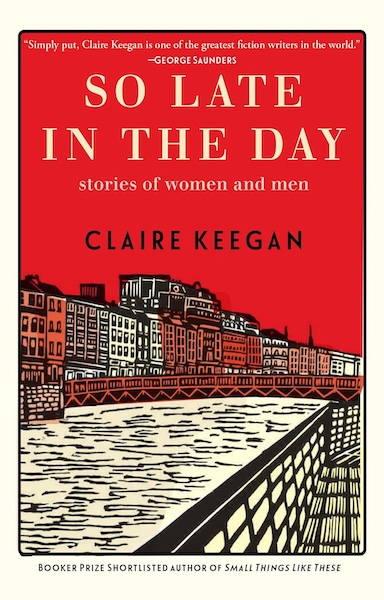
Ireland is an island nation on the northwestern edge of Europe, known for its green countryside, rugged Atlantic coastline, mountains, lakes, and historic towns. Its cultural identity has been shaped by Celtic heritage, Christianity, centuries of interaction with Britain and Europe, and a strong tradition of music, storytelling, and community life. Dublin is the country’s main literary and cultural center, while Irish-speaking regions preserve the traditions of the Gaeltacht.
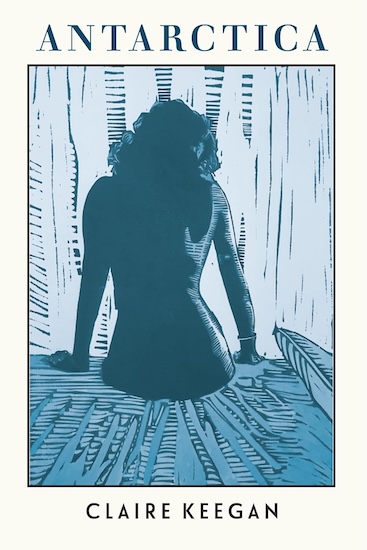
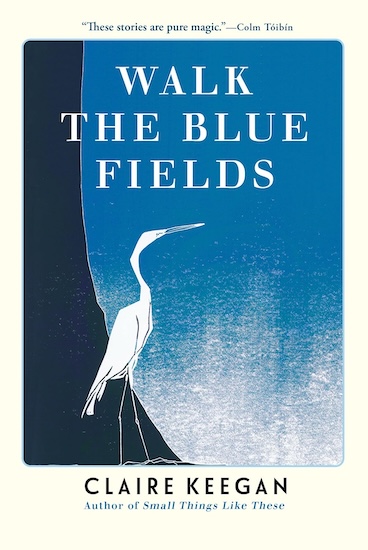
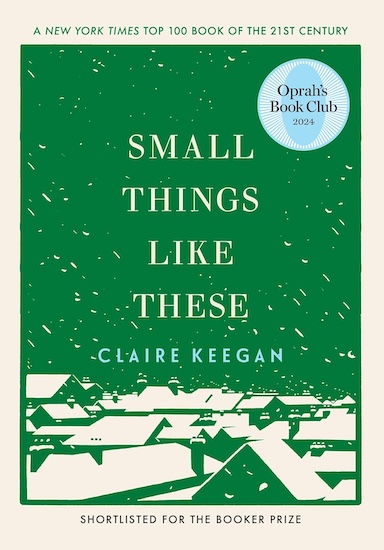
Ireland has one of Europe’s richest storytelling traditions, rooted in Celtic mythology, oral poetry, legends, and medieval manuscripts. The Táin Bó Cúailnge and stories of figures such as Cú Chulainn and Fionn mac Cumhaill form an important part of Ireland’s literary heritage. The Irish language also has a long written tradition, dating back to the early medieval period. The Irish Literary Revival of the late 19th and early 20th centuries brought renewed interest in Irish mythology, language, and national identity. Writers such as W. B. Yeats, Lady Gregory, J. M. Synge, James Joyce, and George Bernard Shaw became internationally influential. Later writers including Samuel Beckett, Seamus Heaney, Edna O’Brien, John Banville, and Sally Rooney have explored identity, memory, family, class, politics, sexuality, and the changing experience of Irish life.