Books from Egypt
Suggest a book
All genres
Historical Fiction
Literary Fiction
Fantasy
Romance
Horror
Thriller
Non-Fiction
Mystery
Memoir
Classics
History
Sci-Fi
Contemporary Fiction
Science Fiction
Fiction
Poetry
Essays
Family Saga
Magical Realism
Family Drama
Dark Academia
Psychological Fiction
Dark Comedy
Political Writing
Feminist Fiction
Satire
Campus Fiction
Cultural Studies
Biography
Philosophy
Comedy
Drama
Young Adult
Gothic
Dystopia
Crime
Children's Books
Short Stories
Mythology
Cozy
Retellings
Humour
Adventure
All themes
Love & Passion
Adventure & Journey
Identity & Belonging
War & Conflict
Freedom & Resistance
Family & Heritage
Nature & Landscape
Society & Class
Spirituality & Faith
Solitude & Exile
Coming of Age
Revolution & Change
Friendship
History
Immigration
Myths and Retellings
Colonialism
Women & Society
Mental Health
Motherhood
1
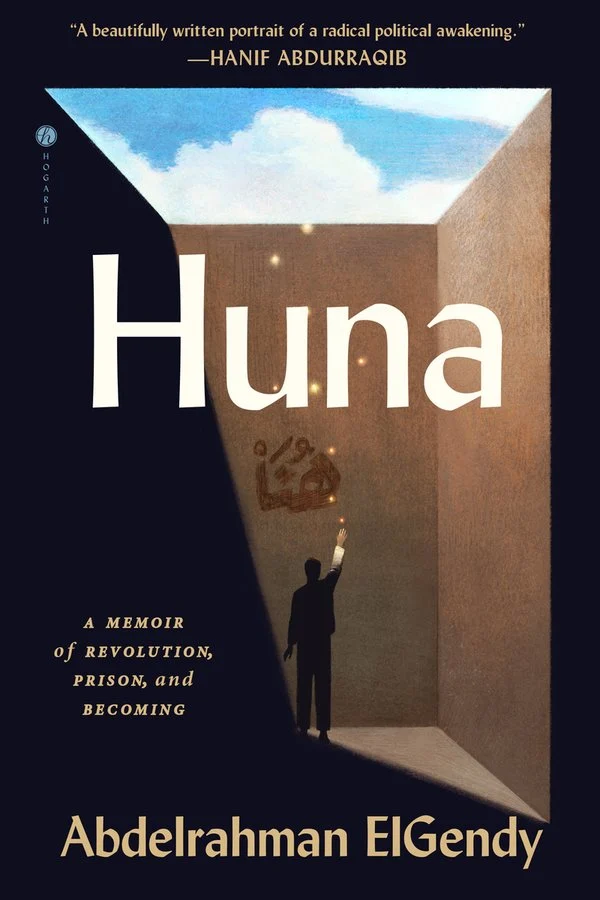
Huna
At seventeen, Abdelrahman ElGendy is arrested during Egypt’s political upheaval and spends six years imprisoned alongside his father. Amid brutal conditions and an uncertain future, he turns to writing as an act of survival and resistance. Both an intimate memoir of family, friendship, and endurance and a powerful indictment of authoritarianism, Huna asks what it means to hold on to your humanity when the world tries to erase you.
2026
2
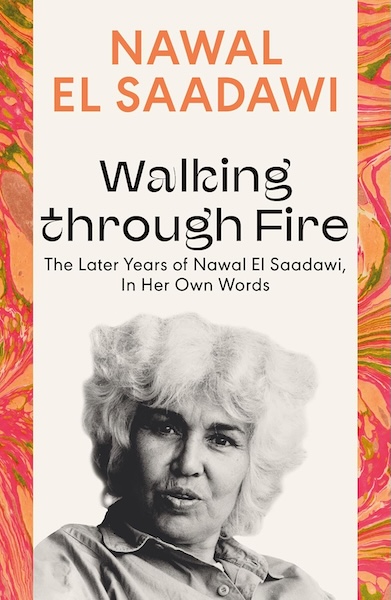
Walking through Fire
For Nawal El Saadawi, speaking openly about women’s oppression came at a personal cost: censorship, imprisonment, threats, and eventually exile. Yet she refused to surrender her voice.
In Walking Through Fire, El Saadawi continues the story of her extraordinary life, recounting her years as a physician, writer, and activist in a society where challenging political and religious authority could be dangerous. She describes her efforts to establish women’s organisations and publish feminist writing, the threats that forced her into exile, and the personal struggles that accompanied her public resistance.
The memoir reveals the woman behind the internationally recognised intellectual: passionate, questioning, and sometimes conflicted, but determined to live according to her convictions. Through recollections of marriage, motherhood, political repression, and the fight for justice, she explores what it means to remain independent in the face of relentless pressure.
A testament to intellectual courage and personal freedom, the book documents a life spent confronting the forces that sought to silence her.
2002
3
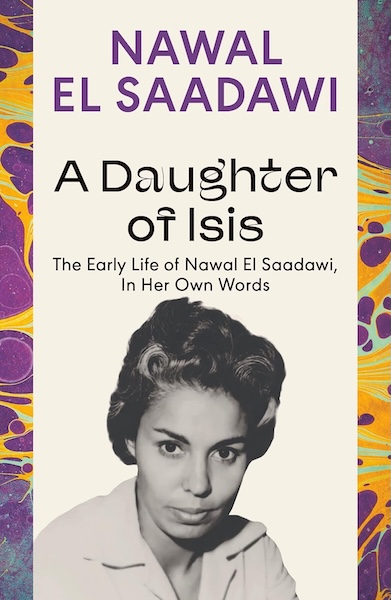
A Daughter of Isis
Long before she became one of the Arab world’s most outspoken feminist voices, Nawal El Saadawi was a young girl growing up in a village beside the Nile, questioning the rules that governed women’s lives.
In A Daughter of Isis, El Saadawi revisits her childhood and early adulthood, tracing the experiences that shaped her determination to challenge injustice. She recalls her family, her education, the restrictions imposed on girls, and her growing awareness of the contradictions between religious teachings, social expectations, and women’s lived realities.
With characteristic candour, she recounts the beginnings of her journey as a physician, writer, and activist, revealing how personal rebellion gradually became a lifelong commitment to equality. Her story is also a portrait of twentieth-century Egypt, where changing political and social landscapes shaped the possibilities available to women.
Intimate, defiant, and deeply reflective, this memoir illuminates the experiences behind El Saadawi’s revolutionary ideas and celebrates the courage required to forge an independent life.
1999
4
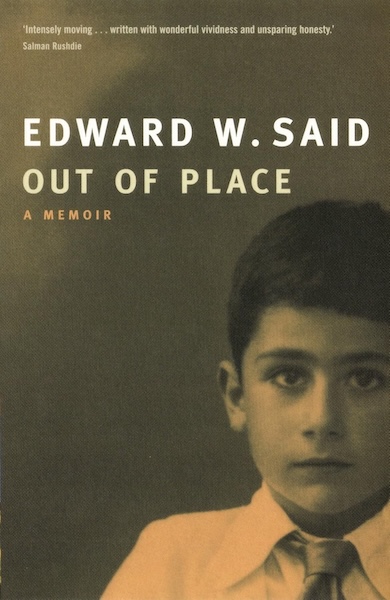
Out Of Place: A Memoir
What does it mean to belong when home is never quite one place?
In Out of Place, Edward W. Said recounts his childhood and early adulthood across Jerusalem, Cairo, and the United States. Born into a Palestinian family in 1935, he grew up moving between cultures, languages, and expectations, often feeling that he did not fully belong anywhere.
With candour and introspection, Said revisits his complicated relationships with his family, his education, and the competing identities that shaped him. His memories reveal the intimate experience behind his later work on exile, culture, and displacement, offering a personal perspective on the historical upheavals of the twentieth century.
More than a conventional autobiography, Out of Place is a meditation on memory and belonging—and on the enduring experience of living between worlds.
1999