Brazil
South America
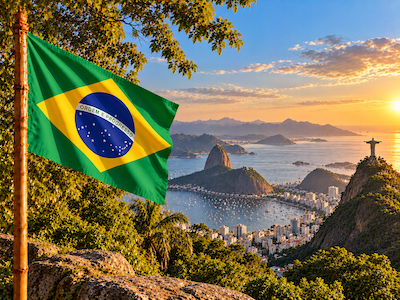

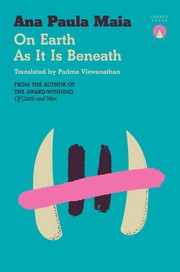
Brazil is the largest country in South America, stretching from the Amazon rainforest to the Atlantic coast and encompassing immense cultural and geographic diversity. Its identity has been shaped by Indigenous, African, Portuguese, and immigrant cultures, expressed through music, dance, food, religion, and regional traditions.
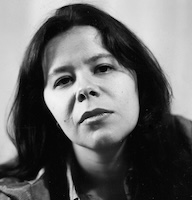
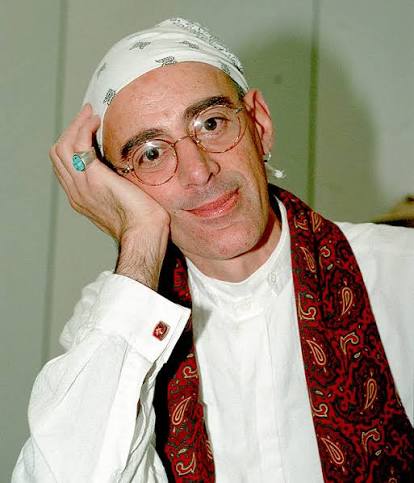
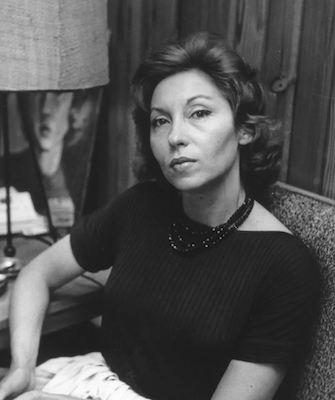
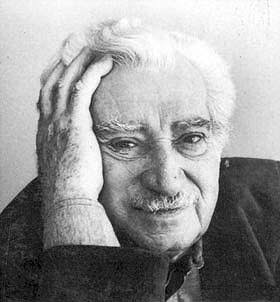
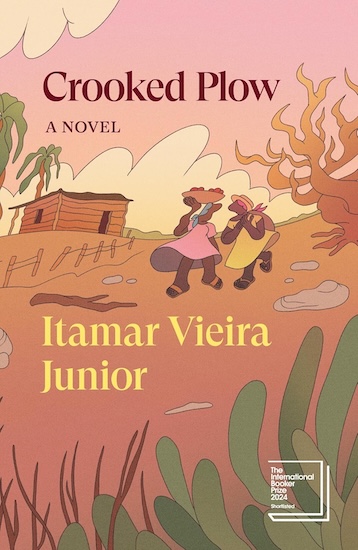
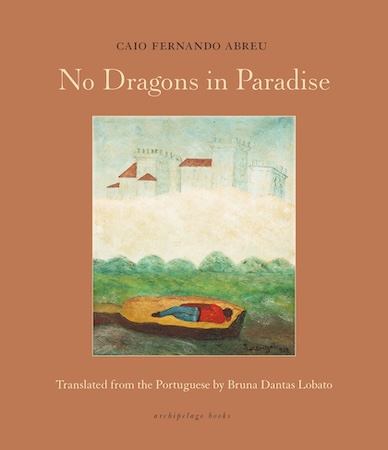
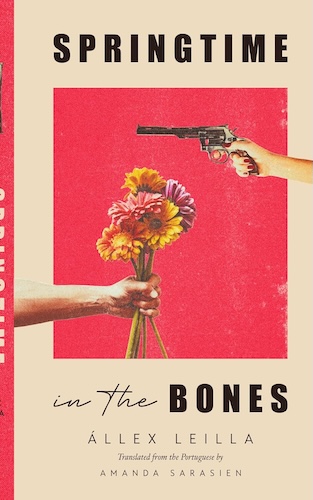
Brazilian literature explores colonialism, race, inequality, identity, modernity, and the tension between regional and national life. Major figures include Machado de Assis, one of Brazil’s greatest novelists, known for his irony and psychological insight, and Clarice Lispector, whose experimental fiction explored consciousness, identity, and existence. Jorge Amado brought the culture and social realities of Bahia to international readers. Contemporary Brazilian literature continues to examine race, gender, Indigenous rights, urban inequality, migration, and Brazil’s complex multicultural identity.