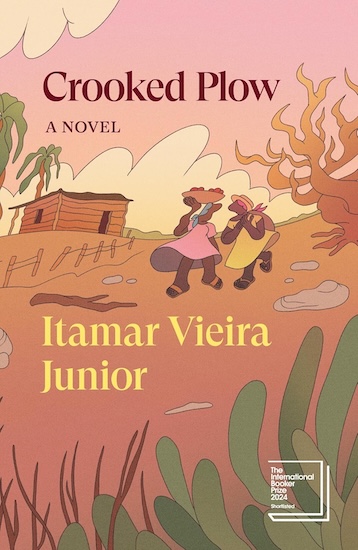
Crooked Plow
Summary
Set in the rural hinterlands of Bahia, Brazil, Crooked Plow follows Bibiana and Belonísia, two sisters growing up in a community of Black agricultural workers descended from enslaved people. Their lives change dramatically when, as children, they discover an old knife hidden beneath their grandmother’s bed. A sudden accident leaves one sister unable to speak, creating a bond between them that shapes their identities and futures.
As the sisters grow older, their paths diverge. Bibiana leaves home and becomes increasingly aware of the social and political forces that keep her community trapped in poverty, while Belonísia remains closely connected to the land and the traditions of her ancestors. Through their experiences, the novel reveals the exploitation of rural workers who cultivate land they do not own, despite generations of labour and their deep ancestral ties to it.
Blending social realism with magical elements and Afro-Brazilian spiritual traditions, Vieira Junior explores the enduring consequences of slavery, racial inequality, and land dispossession. The land itself becomes a source of both suffering and belonging, connecting the community to its history while providing the foundation for resistance. Through the sisters’ intertwined lives, the novel examines how people preserve their dignity, culture, and collective memory in the face of persistent injustice.
Reviews
Login to leave a review.
No reviews yet. Be the first!
You might also like


- Published
- 2018
- Author
- Itamar Vieira Junior