Books from Brazil
Suggest a book
All genres
Historical Fiction
Literary Fiction
Fantasy
Romance
Horror
Thriller
Non-Fiction
Mystery
Memoir
Classics
History
Sci-Fi
Contemporary Fiction
Science Fiction
Fiction
Poetry
Essays
Family Saga
Magical Realism
Family Drama
Dark Academia
Psychological Fiction
Dark Comedy
Political Writing
Feminist Fiction
Satire
Campus Fiction
Cultural Studies
Biography
Philosophy
Comedy
Drama
Young Adult
Gothic
Dystopia
Crime
Children's Books
Short Stories
Mythology
Cozy
Retellings
Humour
Adventure
All themes
Love & Passion
Adventure & Journey
Identity & Belonging
War & Conflict
Freedom & Resistance
Family & Heritage
Nature & Landscape
Society & Class
Spirituality & Faith
Solitude & Exile
Coming of Age
Revolution & Change
Friendship
History
Immigration
Myths and Retellings
Colonialism
Women & Society
Mental Health
Motherhood
1
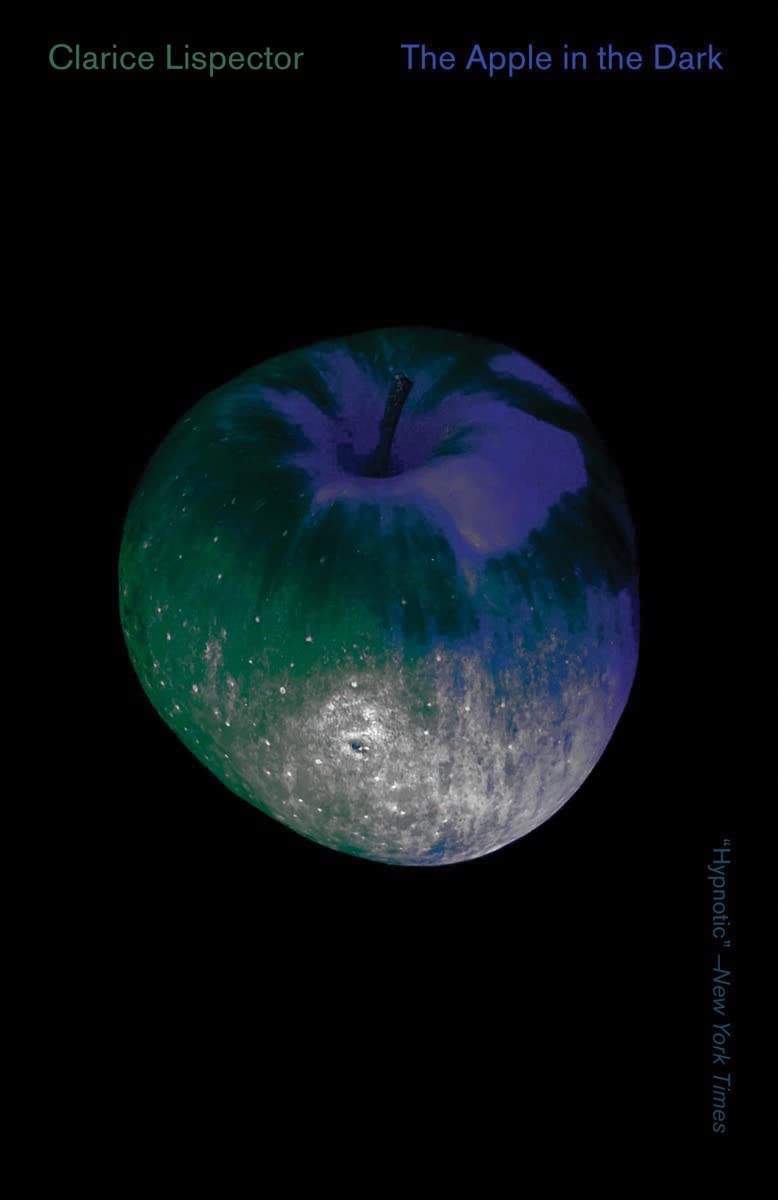
Apple in the Dark
The Apple in the Dark follows Martim, a man who flees his home after believing he has committed a terrible act against his wife. Seeking refuge in the Brazilian countryside, he finds work on a remote farm owned by two women, Vitória and Ermelinda. Away from the structures of his former life, Martim begins to experience the world as if he were discovering it for the first time. His escape becomes a profound journey into the nature of consciousness, language, morality, and personal identity. Through introspective prose and philosophical reflections, Clarice Lispector explores what remains of a person when familiar social roles and established beliefs fall away. Rather than offering a conventional narrative of guilt and redemption, the novel examines the unsettling possibility of creating oneself anew. It is a deeply existential work about freedom, responsibility, and the struggle to understand what it means to be human.
2023
2
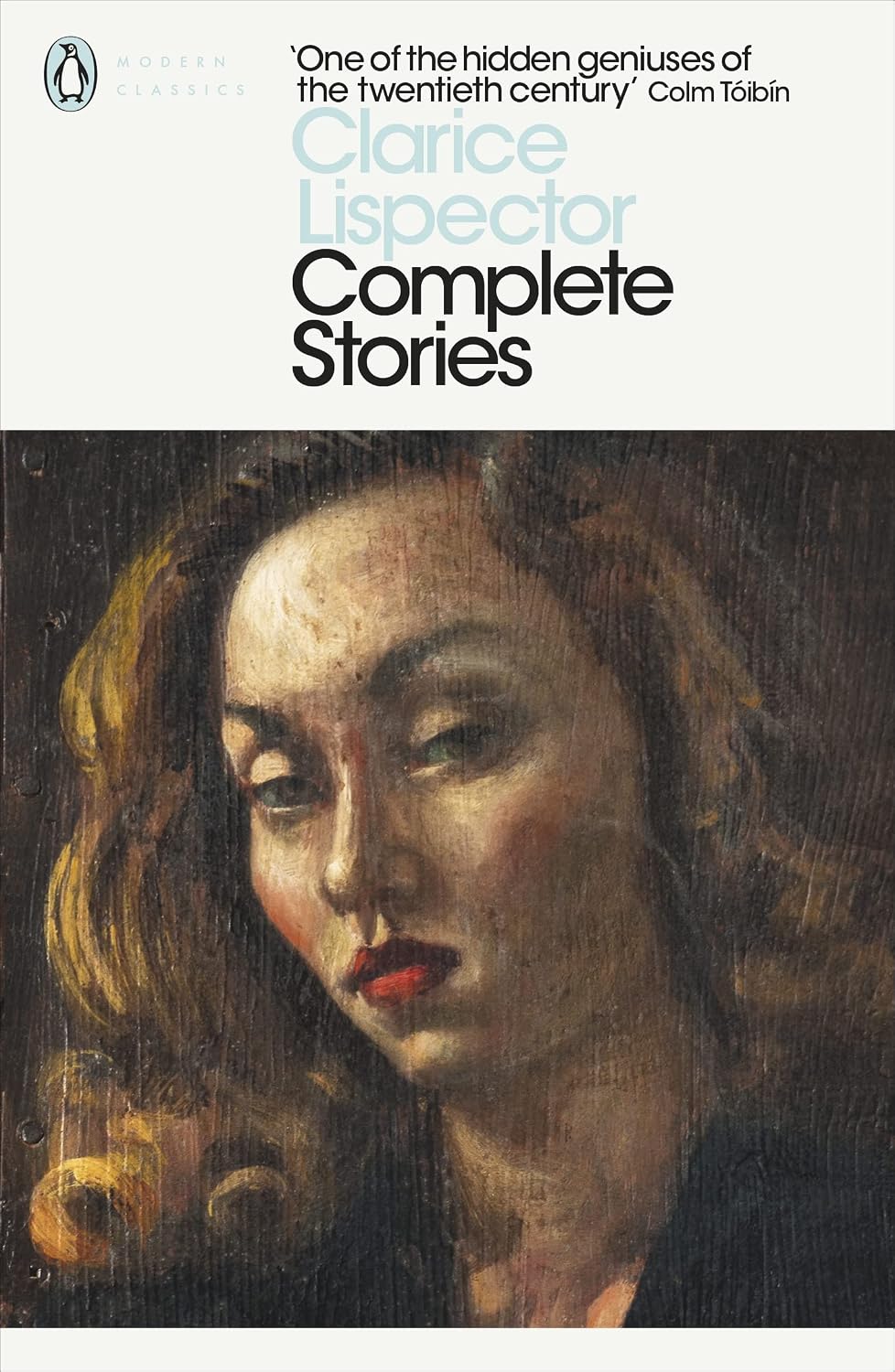
Complete Stories
Complete Stories brings together the short fiction of Clarice Lispector, spanning her entire career and revealing the extraordinary range of one of Brazil’s most influential literary voices. Across stories set in ordinary homes, crowded cities, and unfamiliar landscapes, Lispector explores the hidden emotional lives of women, children, domestic workers, and other characters whose everyday experiences conceal profound inner conflicts.
Often beginning with seemingly insignificant moments—a conversation, a household routine, an encounter with an animal—her stories gradually uncover unsettling questions about identity, desire, freedom, and the nature of existence. Characters experience sudden revelations that disrupt their familiar understanding of themselves and the world, exposing the tension between social expectations and private impulses. Lispector’s distinctive prose combines psychological intensity, philosophical reflection, and unexpected humour, frequently blurring the boundaries between the ordinary and the surreal. Rather than offering clear resolutions, these stories invite readers into the uncertainties of consciousness and the complexity of being human.
2015
3
The Passion According to G.H.
In The Passion According to G.H., a wealthy sculptor in Rio de Janeiro experiences a profound existential crisis after entering her former maid’s room and encountering a cockroach. What begins as an ordinary domestic moment transforms into a disturbing confrontation with her identity, humanity, and understanding of existence. Through an intense stream of consciousness, Clarice Lispector explores the boundaries between self and other, human and animal, and the sacred and the material. As G.H.’s familiar sense of self begins to dissolve, she confronts the unsettling possibility that true understanding requires abandoning the illusions that define human identity. The novel is a challenging philosophical exploration of consciousness, transformation, and the search for meaning beyond conventional beliefs.
2012
4
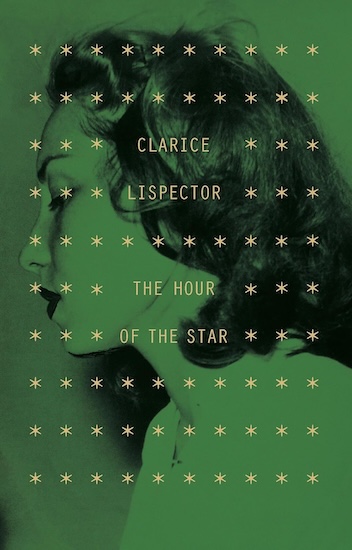
The Hour of the Star
The Hour of the Star follows Macabéa, a poor young woman from northeastern Brazil who moves to Rio de Janeiro in search of a better life. Working as a typist and living in poverty, she leads an almost invisible existence, lacking the education, confidence, and social awareness to understand the world around her. Despite her difficult circumstances, Macabéa possesses a quiet innocence and an unexpected capacity for happiness, finding small pleasures in everyday life.
Her story is narrated by Rodrigo S.M., a writer who struggles to represent her life honestly while confronting his own privilege and the limitations of storytelling. Through this unusual narrative perspective, Clarice Lispector explores poverty, gender, social exclusion, and the difficulty of giving voice to those society overlooks. Both intimate and unsettling, the novel asks profound questions about human dignity, identity, and whether an insignificant life can ever receive its moment of recognition.
1977
5
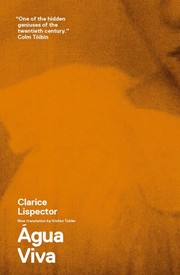
Água Viva
Água Viva is an experimental novel narrated by an unnamed woman, an artist who attempts to capture the fleeting experience of being alive through a continuous flow of thoughts, sensations, and reflections. Addressing an unnamed listener, she moves between memories, observations of nature, artistic inspiration, and philosophical questions, seeking to express what she calls the present moment—the elusive instant in which life is experienced before it becomes memory.
Rather than following a conventional plot, Clarice Lispector creates an intensely intimate meditation on consciousness, language, time, and existence. The narrator struggles with the limitations of words, searching for a form of expression that can convey the raw immediacy of experience. Images of flowers, animals, music, and water recur throughout the text, connecting the physical world with questions about the mysterious nature of being. Both poetic and challenging, Água Viva invites readers to experience life as something fluid, unpredictable, and impossible to fully explain.
1973
6
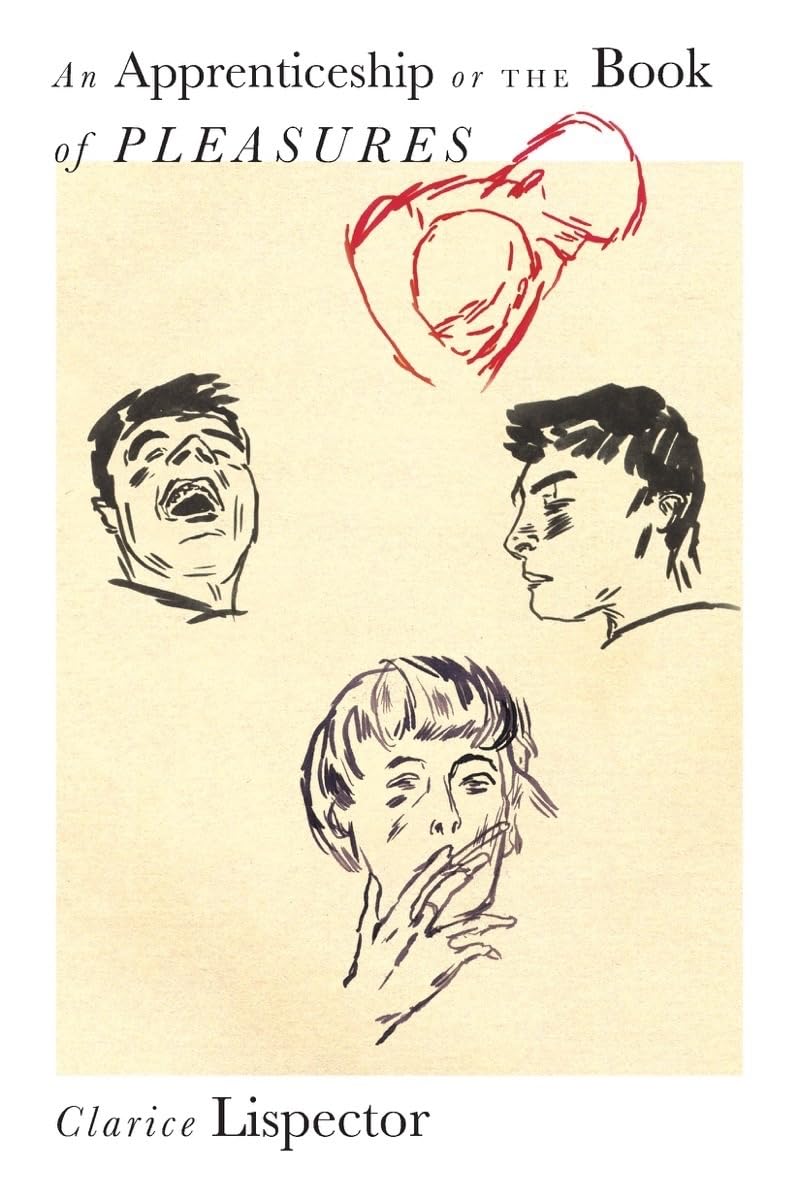
Apprenticeship or the Book of Pleasures
Apprenticeship or the Book of Pleasures follows Lóri, a schoolteacher living in Rio de Janeiro who struggles with loneliness, emotional vulnerability, and the difficulty of allowing herself to experience happiness. When she meets Ulisses, a philosophy professor who challenges her to confront her fears and desires, she begins a gradual journey toward emotional and personal freedom. Their relationship develops slowly, shaped by conversations, uncertainty, and Lóri’s attempts to understand what it means to love another person without losing herself.
Through introspective prose and philosophical reflections, Clarice Lispector explores love not simply as romance, but as a process of self-discovery and transformation. Lóri must learn to accept her own body, embrace uncertainty, and become comfortable with being alone before she can fully connect with someone else. Blurring the boundaries between fiction and philosophical meditation, the novel examines desire, intimacy, vulnerability, and the courage required to experience life more fully.
1969
7
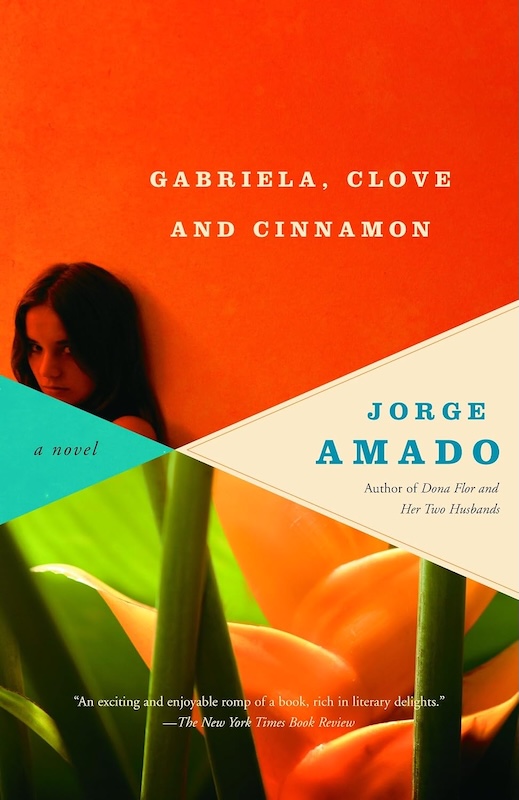
Gabriela, Clove and Cinnamon
Set in the coastal Brazilian town of Ilhéus in the 1920s, Gabriela, Clove and Cinnamon follows Gabriela, a beautiful and carefree young woman who arrives in town during a period of economic transformation driven by the cocoa trade. She becomes a cook in the bar of Nacib, a Syrian immigrant who falls in love with her and eventually marries her. However, Gabriela’s independent spirit and sensual nature clash with the conservative social expectations of marriage and respectability. Against the backdrop of political rivalries, changing gender roles, and the decline of traditional power structures, Jorge Amado portrays a society caught between old customs and modern aspirations. Blending romance, humor, and social satire, the novel explores desire, freedom, and the struggle of women to live beyond the constraints imposed by patriarchal traditions. Through its vivid characters and colorful setting, the book celebrates Brazilian culture and the transformative power of social change.
1958
8
Near to the Wild Heart
Near to the Wild Heart follows Joana, a young woman whose intense inner life sets her apart from the people around her. From childhood into adulthood, Joana struggles to understand herself and her place in a world shaped by social conventions, marriage, and expectations of femininity. Observant, independent, and often restless, she questions the rules that govern relationships and the assumptions society makes about how women should live.
Rather than following a conventional plot, Clarice Lispector explores Joana’s consciousness through shifting memories, introspection, and poetic reflections. Her thoughts move between childhood experiences, her complicated marriage, and her desire for a freedom that cannot easily be defined. The novel examines the tension between individuality and conformity, exploring how identity emerges through solitude, desire, and self-examination. Celebrated for its experimental style and psychological depth, Lispector’s debut novel marked the arrival of a distinctive voice in Brazilian literature, one deeply concerned with the mysteries and contradictions of human existence.
1943