Books from Bosnia and Herzegovina
Suggest a book
All genres
Historical Fiction
Literary Fiction
Fantasy
Romance
Horror
Thriller
Non-Fiction
Mystery
Memoir
Classics
History
Sci-Fi
Contemporary Fiction
Science Fiction
Fiction
Poetry
Essays
Family Saga
Magical Realism
Family Drama
Dark Academia
Psychological Fiction
Dark Comedy
Political Writing
Feminist Fiction
Satire
Campus Fiction
Cultural Studies
Biography
Philosophy
Comedy
Drama
Young Adult
Gothic
Dystopia
Crime
Children's Books
Short Stories
Mythology
Cozy
Retellings
Humour
Adventure
All themes
Love & Passion
Adventure & Journey
Identity & Belonging
War & Conflict
Freedom & Resistance
Family & Heritage
Nature & Landscape
Society & Class
Spirituality & Faith
Solitude & Exile
Coming of Age
Revolution & Change
Friendship
History
Immigration
Myths and Retellings
Colonialism
Women & Society
Mental Health
Motherhood
1
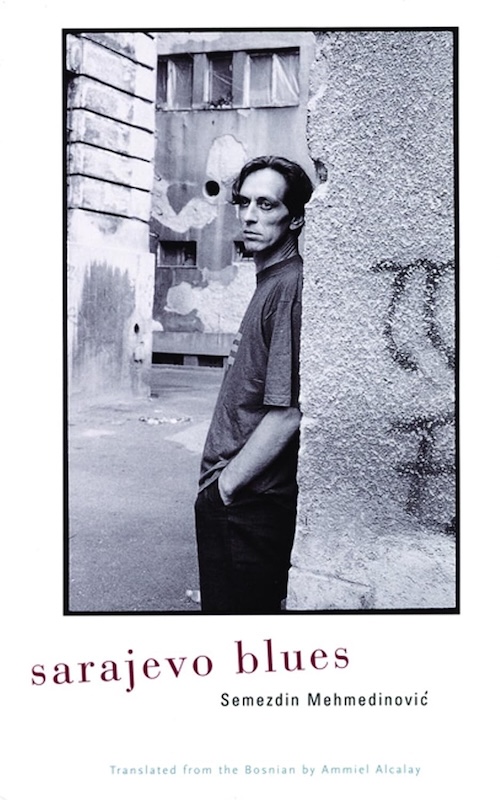
Sarajevo Blues
Sarajevo Blues is a collection of prose poems, fragments, and brief reflections written during the siege of Sarajevo in the Bosnian War. Combining personal observation with documentary detail, Semezdin Mehmedinović captures the daily reality of living in a city under bombardment, where ordinary activities become acts of survival and the boundaries between private life and public catastrophe begin to dissolve.
Rather than presenting a conventional narrative, the book offers an intimate, fragmented account of war through images of empty streets, sudden violence, disrupted routines, and the emotional strain of uncertainty. Mehmedinović’s restrained, lyrical writing resists grand explanations, focusing instead on the human cost of conflict and the persistence of memory. Both a literary response to historical tragedy and a meditation on displacement, fear, and endurance, Sarajevo Blues gives voice to the experience of civilians whose lives are transformed by war.
1992
2
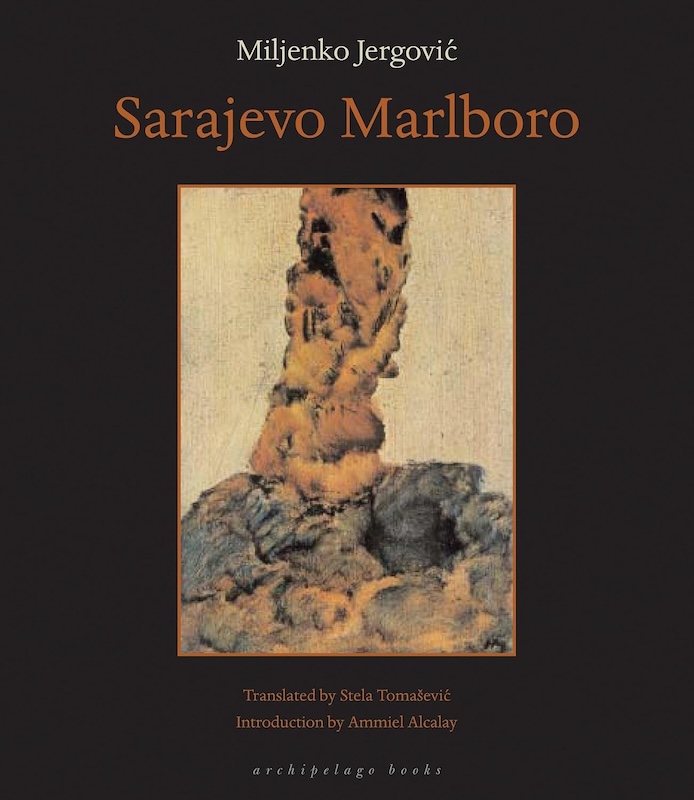
Sarajevo Marlboro
Sarajevo Marlboro is a collection of short stories set during the Bosnian War, portraying the lives of ordinary people caught in the siege of Sarajevo. Rather than focusing on battles or political leaders, Miljenko Jergović turns his attention to the everyday experiences of civilians as familiar routines collapse under the pressure of violence, fear, and uncertainty.
Through intimate portraits of neighbours, families, friends, and strangers, the stories reveal how war transforms relationships, reshapes identities, and exposes both the cruelty and compassion of human nature. Small, seemingly insignificant details—a household object, a remembered conversation, or a fleeting act of kindness—become powerful symbols of a world that is disappearing. Written with restraint, dark humour, and deep humanity, the collection offers a fragmented yet deeply personal portrait of Sarajevo and the lasting emotional consequences of conflict.
1994
3
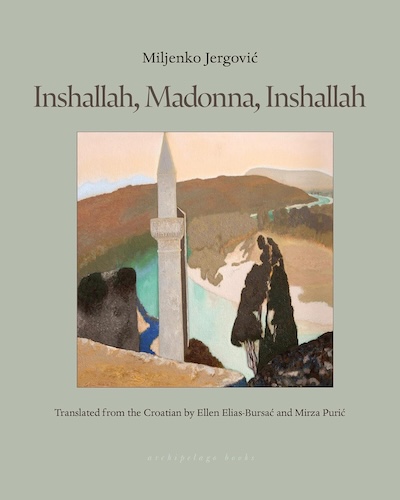
Inshallah, Madonna, Inshallah
In Inshallah, Madonna, Inshallah, Croatian-Bosnian writer Miljenko Jergović draws on the rich oral traditions, folk songs, and legends of Bosnia to create a collection of nineteen stories in which ordinary lives take on the dimensions of myth. Inspired by the music that filled the streets, cafés, and homes of Sarajevo during the author’s childhood, the stories imagine the extraordinary events and forgotten histories that might lie behind traditional songs.
Jergović’s characters inhabit a world where miracles seem possible, fate shapes human destinies, and misfortune can transform individuals into enduring legends. Christians and Muslims share a landscape marked by centuries of cultural exchange, imperial domination, and conflict. Their stories are sometimes comic, sometimes brutal, but always deeply connected to the collective memory of the region.
Moving between folklore, historical imagination, and intimate portraits of human experience, Jergović explores how communities preserve their identities through storytelling. The collection offers a vivid literary portrait of the Balkans, revealing how individual lives become part of a larger cultural inheritance that survives across generations.
2026