Books from Afghanistan
Suggest a book
All genres
Historical Fiction
Literary Fiction
Fantasy
Romance
Horror
Thriller
Non-Fiction
Mystery
Memoir
Classics
History
Sci-Fi
Contemporary Fiction
Science Fiction
Fiction
Poetry
Essays
Family Saga
Magical Realism
Family Drama
Dark Academia
Psychological Fiction
Dark Comedy
Political Writing
Feminist Fiction
Satire
Campus Fiction
Cultural Studies
Biography
Philosophy
Comedy
Drama
Young Adult
Gothic
Dystopia
Crime
Children's Books
Short Stories
Mythology
Cozy
Retellings
Humour
Adventure
All themes
Love & Passion
Adventure & Journey
Identity & Belonging
War & Conflict
Freedom & Resistance
Family & Heritage
Nature & Landscape
Society & Class
Spirituality & Faith
Solitude & Exile
Coming of Age
Revolution & Change
Friendship
History
Immigration
Myths and Retellings
Colonialism
Women & Society
Mental Health
Motherhood
1
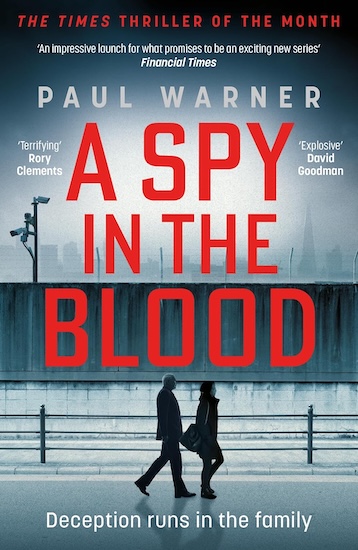
A Spy in the Blood
Mark Wolfe was once one of Britain’s greatest spies. Now working behind a desk at MI6 headquarters in London, he has settled into a quiet life as a civil servant, keeping his dangerous past hidden from his family. His routine changes when he discovers that his daughter, Jody, shares his ambition to join the intelligence service. But MI6 has recruited her without his knowledge, and Mark soon begins to suspect that something is wrong.
When Jody disappears during a mission in Afghanistan, the intelligence service appears unwilling to help. Worse, officials suggest that she may have betrayed her country. Refusing to accept their explanation, Mark returns to the world of espionage he thought he had left behind. With limited support and enemies he cannot easily identify, he sets out to find his daughter and uncover the truth.
Moving between London and Afghanistan, A Spy in the Blood explores the cost of secrecy, the fragile bonds between parents and children, and the moral compromises of intelligence work. Paul Warner combines the tension of a contemporary spy thriller with a deeply personal story about how far a father will go to protect his family.
2026
2
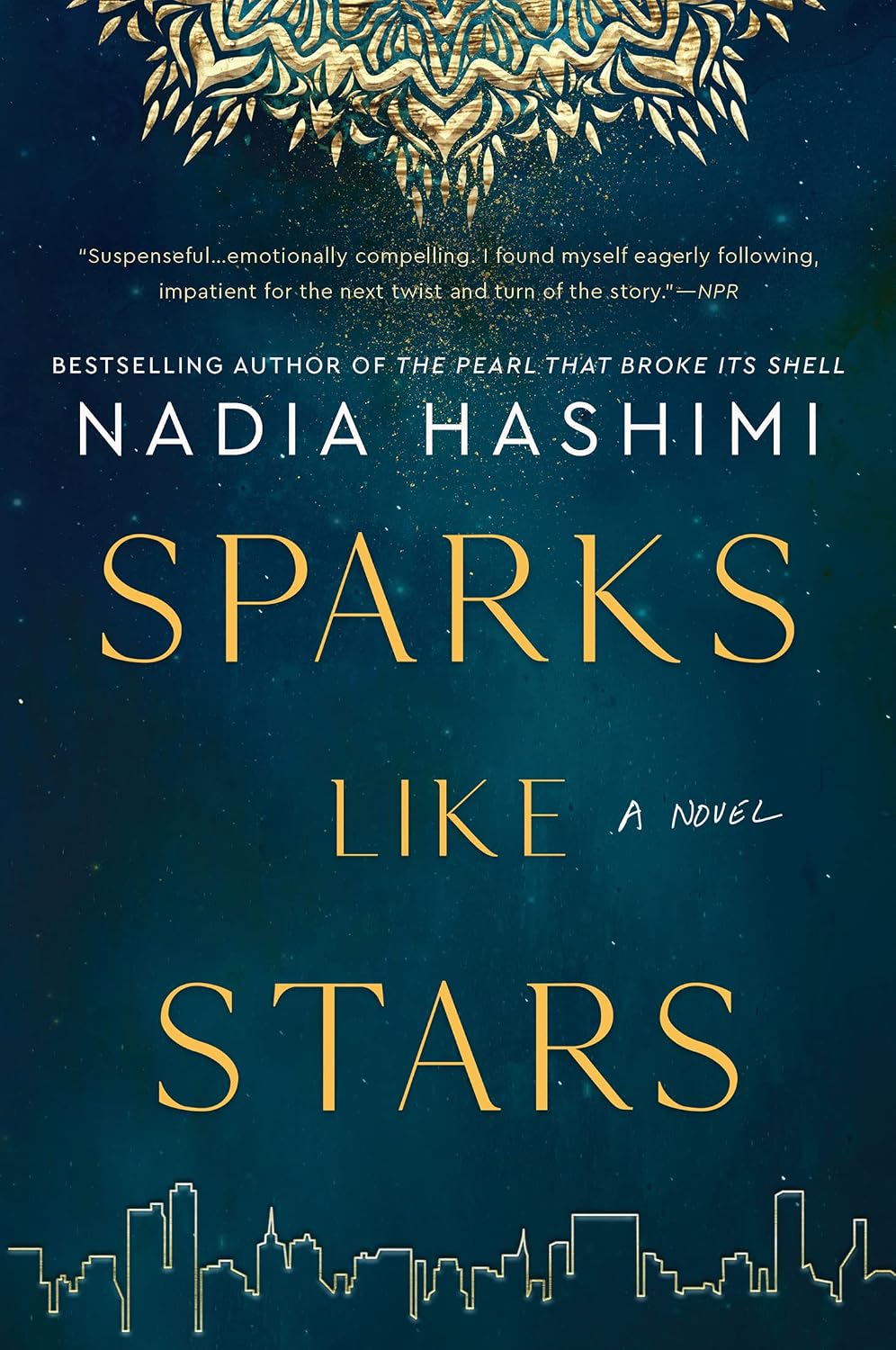
Sparks Like Stars
Sparks Like Stars begins in Kabul in 1978, when ten-year-old Sitara Zamani witnesses the violent overthrow of Afghanistan’s president and the murder of members of his household, including her family. Rescued by an American diplomat, she is taken to the United States and grows up under a new name, attempting to build a life far removed from the trauma of her childhood. Decades later, now a successful doctor in New York, she encounters a man whose appearance brings back memories she has spent years trying to suppress. Determined to uncover the truth about her past, she returns to the history she left behind. Hashimi explores the lasting effects of political violence, the fragility of memory, and the complex relationship between identity and belonging, asking whether confronting painful truths can help someone reclaim a lost part of themselves.
2021
3
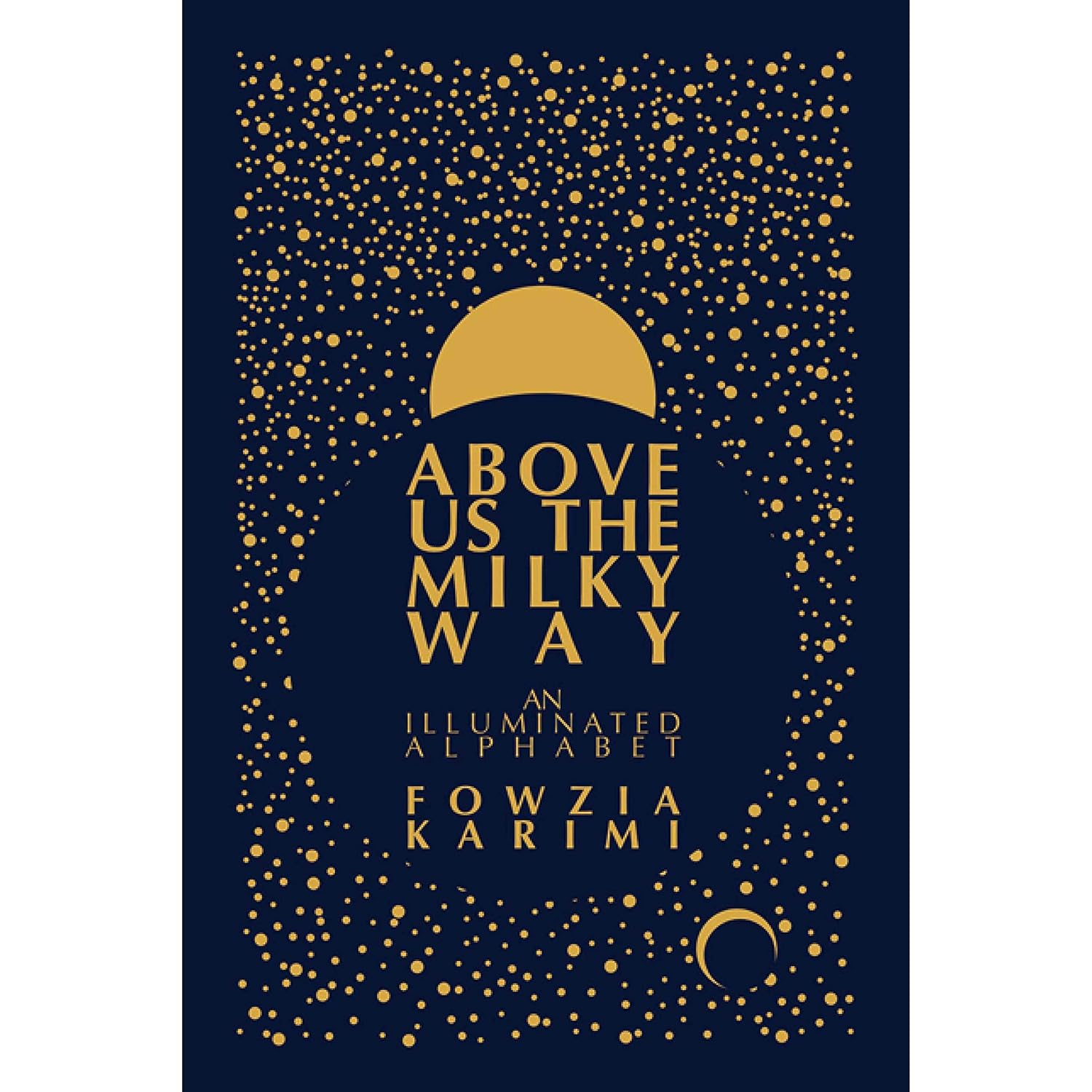
Above Us the Milky Way
Above Us the Milky Way is a story about war, immigration, and the remarkable human capacity to create beauty out of horror. As a young family attempts to reconstruct their lives in a new and peaceful country, they are daily drawn back to the first land through remembrance and longing, by news of the continued suffering and loss of loved ones, and by the war dead, who have immigrated and reside with them, haunting their days and illuminating the small joys and wonders offered them by the new land.
The novel's structure is built around the alphabet, twenty-six pieces written in the first person that sketch a through-line of memory for the lives of the five daughters, mother, and father. Ghost stories and fairytales are woven with old family photographs and medieval-style watercolor illuminations to create an origin story of loss and remembrance.
2020
4
Dancing in the Mosque
Dancing in the Mosque is a memoir written as a letter from Homeira Qaderi to her young son, whom she was forced to leave behind after a painful separation. Growing up in Afghanistan during decades of political upheaval, Qaderi discovers the power of education and writing as ways to resist the restrictions imposed on girls and women. Despite the dangers surrounding her, she pursues her education and becomes a writer, determined to preserve her independence and give voice to women’s experiences. Later, under Taliban rule, her personal freedom becomes increasingly limited, and motherhood places her in an agonising position. Through intimate reflections on love, loss, and resistance, Qaderi recounts the sacrifices she makes to remain true to herself while navigating a society that seeks to control women’s lives. The memoir is a powerful exploration of maternal love, personal courage, and the cost of freedom.
2020
5
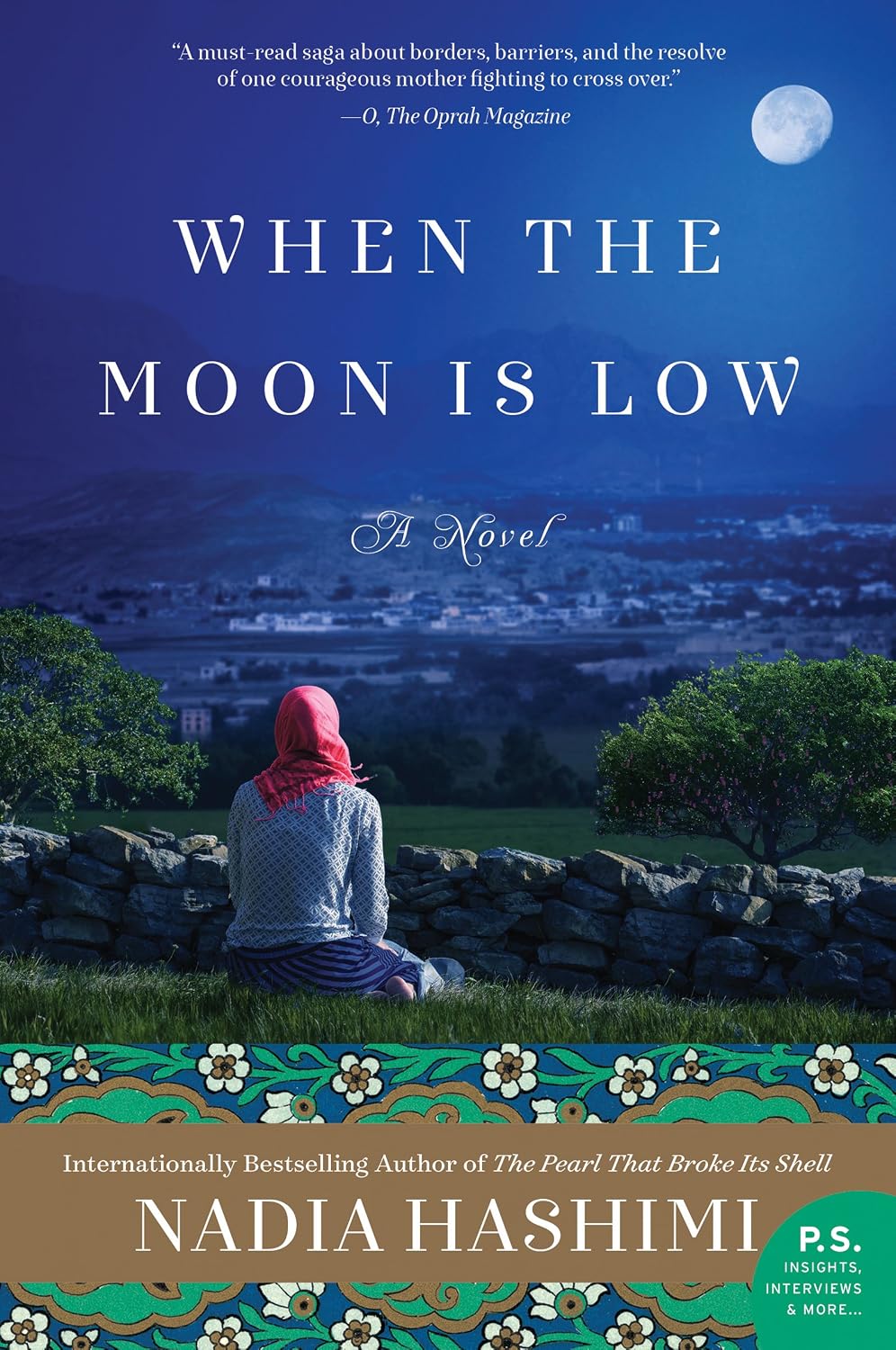
When the Moon Is Low
When the Moon Is Low follows Fereiba, an educated Afghan woman whose relatively secure life is shattered when her husband becomes a victim of political violence. Left to care for her three children, she decides to flee Afghanistan as the country’s instability and insecurity intensify. Their journey towards Europe exposes them to dangerous border crossings, exploitation, separation, and the uncertainty faced by refugees seeking safety. When circumstances force Fereiba and her teenage son, Saleem, onto different paths, both must find the strength to survive in unfamiliar environments. Moving between their experiences, Hashimi portrays the human cost of displacement and the difficult choices families make when their homes are no longer safe. The novel explores motherhood, resilience, and the search for freedom, highlighting the courage required to rebuild a life when everything familiar has been lost.
2016
6
A House Without Windows: A Novel
A House Without Windows follows Zeba, an Afghan woman accused of murdering her husband, Kamal. Arrested and imprisoned while awaiting trial, she finds herself in a women’s detention centre in Kabul, where she encounters other women whose lives have been shaped by violence, coercion, and restrictive social expectations. Zeba’s children struggle to understand their mother’s arrest, while Yusuf, an Afghan-born lawyer raised in the United States, returns to Afghanistan and becomes involved in her defence. As the investigation unfolds, the novel reveals the complicated circumstances surrounding the death and the challenges of establishing justice in a society where women’s voices are often dismissed. Through Zeba’s story and those of her fellow prisoners, Hashimi examines domestic abuse, gender inequality, and the courage required to seek justice in a system that frequently fails vulnerable women.
2016
7
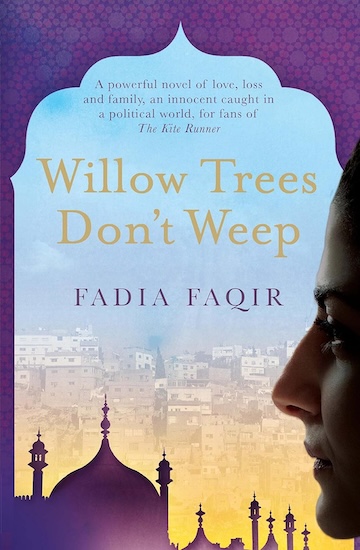
Willow Trees Don't Weep
When Najwa’s mother dies, the young Jordanian woman finds herself facing a future she has never been prepared for. In the conservative society of Amman, an unmarried woman without a male guardian has few options. Her father, Omar, abandoned the family when she was a child to join a radical Islamist movement, leaving Najwa to grow up with unanswered questions about his disappearance and the beliefs that drove him away.
Determined to find him, Najwa sets out on a dangerous journey from Jordan to Afghanistan, following the trail of a man she barely remembers. But the father she imagines is not the man she discovers. Her search eventually takes her to Britain, where she must confront painful truths about her family, her father’s ideology, and her own place in the world. As she crosses borders and encounters unfamiliar cultures, Najwa begins to understand that finding her father may be less important than discovering who she wants to become.
Moving between the Middle East, Afghanistan, and Britain, Willow Trees Don’t Weep explores the consequences of political extremism through the intimate story of a daughter left behind. Fadia Faqir examines patriarchal expectations, religious identity, and the struggle for female independence in a world where women are often forced to live with the consequences of men’s decisions.
2014
8
The Pearl That Broke It's Shell
Set in Afghanistan, The Pearl That Broke Its Shell follows two women separated by a century but connected by their struggles against restrictive social expectations. In contemporary Kabul, Rahima grows up in a family without sons. Her parents allow her to become a bacha posh—a girl temporarily dressed and treated as a boy—giving her freedoms that would otherwise be denied to her. A century earlier, her ancestor Shekiba faces similar restrictions and hardship, eventually finding an opportunity to survive by living as a man. As their stories unfold in parallel, both women navigate a society shaped by patriarchal traditions, political instability, and gender inequality. Hashimi explores the resilience of women who challenge the boundaries imposed upon them, revealing how the desire for education, independence, and dignity can become an act of resistance.
2014
9
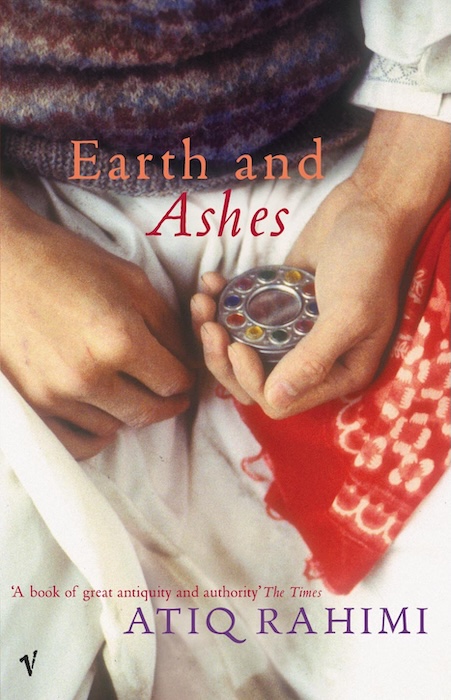
Earth and Ashes
Earth and Ashes is a spare, haunting novella set in Afghanistan during the Soviet war. Dastaguir, an elderly man, travels with his young grandson, Yassin, through a devastated landscape after their village is destroyed in a bombing. Dastaguir must find a way to tell his son, who works in a distant mine, that the rest of their family has been killed. Meanwhile, Yassin, whose hearing has been damaged by the explosion, struggles to understand what has happened and why the world around him has changed so dramatically. Through their journey, Rahimi portrays the devastating consequences of war on ordinary people, particularly children and the elderly. The novella explores grief, silence, trauma, and the difficulty of communicating unbearable truths in a world where violence has shattered both families and communities.
2010