Afghanistan
Asia
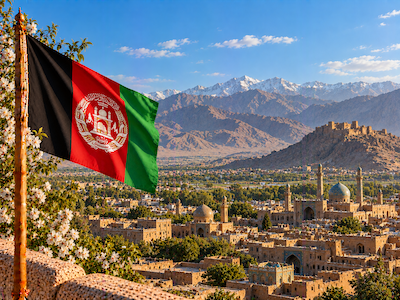
Afghanistan is a landlocked country at the crossroads of Central and South Asia, known for its dramatic mountain ranges, ancient cities, and centuries-old cultural traditions. The Hindu Kush mountains dominate much of the landscape, separating fertile valleys from arid plateaus and desert regions. Kabul, the capital, lies in a mountain valley, while historic cities such as Herat, Balkh, and Ghazni preserve traces of Afghanistan’s importance along the ancient Silk Road. The country’s cultural heritage reflects Persian, Turkic, and South Asian influences, shaped by centuries of trade, scholarship, and migration. Dari and Pashto are the official languages, while Uzbek, Turkmen, and other languages are spoken by different communities. Poetry, music, intricate carpets, miniature painting, and traditional craftsmanship have long played important roles in Afghan cultural life, even as decades of conflict have profoundly affected its people and heritage.
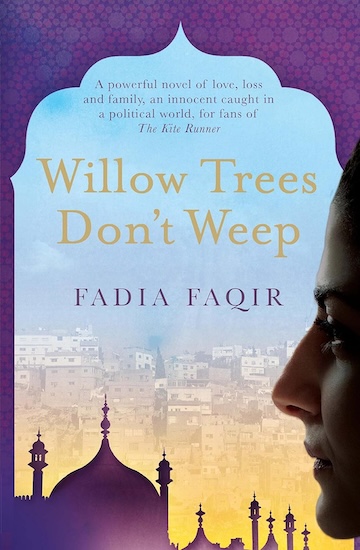
Afghanistan has a rich literary tradition rooted in oral storytelling, folk poetry, epic narratives, and the wider Persian literary world. Poetry holds a particularly important place in cultural life, serving as a form of personal expression, philosophical reflection, and social commentary. Dari-language literature connects Afghanistan to centuries of Persian poetic tradition, while Pashto literature has developed its own distinctive forms, including heroic poetry, folk songs, and narratives celebrating history and identity. Modern Afghan writers have explored themes of war, exile, gender, memory, and the struggle to preserve cultural identity amid political upheaval.