Austria
Europe
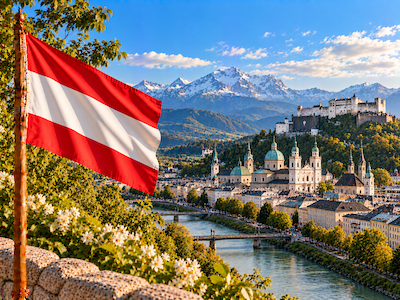
Austria is a landlocked country in Central Europe, stretching from the Danube basin and historic cities of the east to the dramatic Alps in the west. Its landscape combines imperial cities, medieval towns, alpine valleys, forests, lakes, and mountain villages. Vienna, the capital, was for centuries the political and cultural center of the Habsburg Empire and remains one of Europe’s major cultural capitals. Austria’s identity has been shaped by its position at the meeting point of Central and Eastern Europe. The legacy of the Habsburg monarchy, Catholic traditions, German-language culture, and centuries of political and cultural exchange with neighboring countries have all influenced Austrian society. Music, architecture, philosophy, visual arts, and literature have played an unusually prominent role in the country’s cultural history.
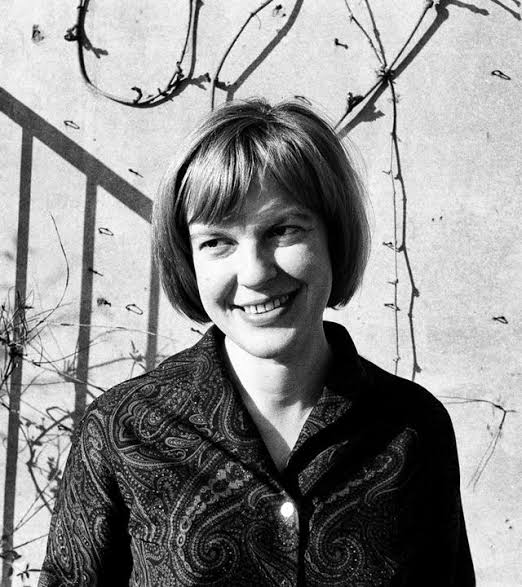
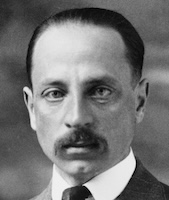
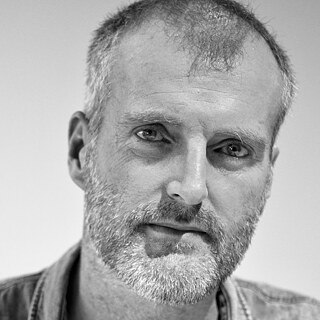
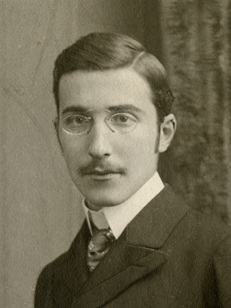
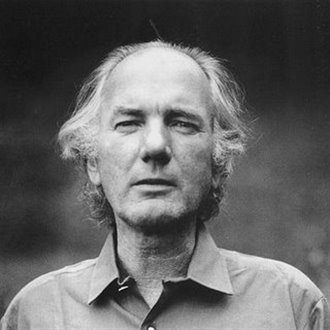
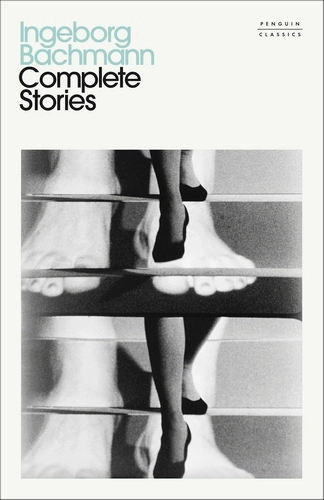
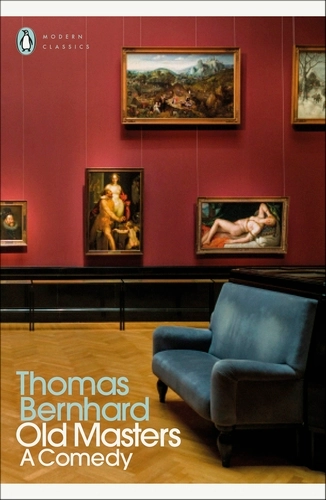
Austrian literature is particularly rich in explorations of identity, memory, social class, political power, history, and the tensions within Central European society. For centuries, Austrian writers worked within the broader German-language literary tradition, but the country’s distinctive imperial history gave Austrian literature its own perspective on the changing political and cultural landscape of Europe. The Habsburg Empire provided an important literary setting, especially for writers concerned with the decline of aristocratic society and the disappearance of an older Central European world. Stefan Zweig became one of its most famous chroniclers, particularly in The World of Yesterday, his memoir of a cosmopolitan Europe that was destroyed by war and political extremism. Vienna was also a major center of intellectual experimentation in the 20th century. Writers such as Arthur Schnitzler, Robert Musil, and Joseph Roth explored psychology, sexuality, bureaucracy, class, and the uncertainties of a society approaching profound political transformation. Roth’s fiction, in particular, is closely associated with the fading world of the Habsburg Empire. Postwar Austrian literature became increasingly concerned with Nazism, historical responsibility, silence, memory, and the difficulty of confronting the past. Writers including Ingeborg Bachmann, Thomas Bernhard, Elfriede Jelinek, and Peter Handke challenged conventional ideas about Austrian identity and society. Austrian literature therefore offers a fascinating journey through imperial nostalgia, modernity, political trauma, and the uneasy relationship between national identity and historical memory.