Julia Alvarez

Julia Alvarez

Dominican Republic

About

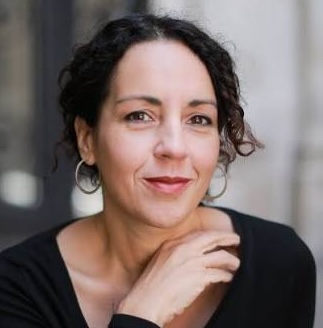
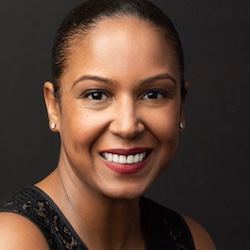
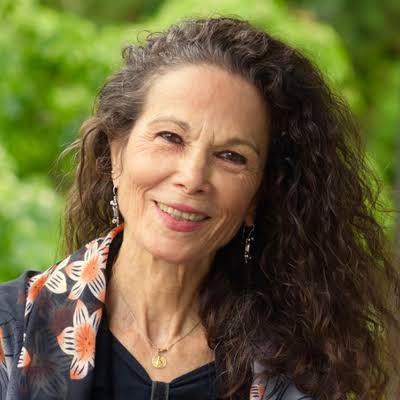
Julia Alvarez is a Dominican American novelist, poet, and essayist celebrated for exploring identity, migration, family, and the experiences of women caught between cultures. Born in New York City in 1950, she spent her early childhood in the Dominican Republic before her family fled to the United States in 1960 because of her father’s involvement in a movement against Rafael Trujillo’s dictatorship. This experience of displacement profoundly influenced her writing. Her acclaimed first novel, How the García Girls Lost Their Accents (1991), examines the challenges of adapting to life between two cultures. Her subsequent works include In the Time of the Butterflies (1994), In the Name of Salomé (2000), and Afterlife (2020). In 2013, she received the National Medal of Arts from President Barack Obama in recognition of her contribution to American literature. Alvarez continues to write about history, belonging, and the enduring power of storytelling.

Books on TheBookRoads
1
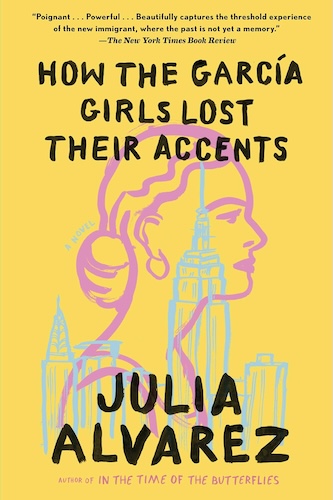
How the Garcia Girls Lost Their Accents
Four sisters. Two cultures. One homeland they can never quite leave behind. When the García family flees the Dominican Republic for New York in 1960, sisters Carla, Sandra, Yolanda, and Sofía find themselves caught between the world they left and the one they are expected to embrace. As they straighten their hair, abandon Spanish, and navigate American adolescence, each struggles to reconcile family traditions with the freedom to become someone new. Told in reverse chronological order through interconnected stories, Julia Alvarez’s celebrated debut novel explores the intimate costs of immigration: the longing to belong, the awkwardness of growing up between cultures, and the parts of ourselves we lose—or discover—along the way. Witty, tender, and deeply personal, it captures the bittersweet experience of having more than one home and never feeling entirely at home in either.
1991 Dominican Republic
2
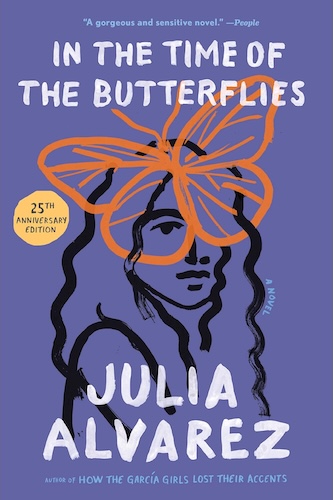
In the Time of the Butterflies
Four sisters. One brutal dictatorship. A courage that would outlive them all. In the Dominican Republic under Rafael Trujillo’s oppressive regime, the Mirabal sisters lead seemingly ordinary lives until they are drawn into the underground resistance. As Minerva, Patria, and María Teresa risk everything to challenge the dictator, their youngest sister, Dedé, must confront the consequences of their growing defiance. Inspired by the true story of the Mirabal sisters, three of whom were murdered on Trujillo’s orders in 1960, Julia Alvarez brings their lives to the page with tenderness and emotional power. Through love, family bonds, and acts of extraordinary bravery, this moving novel explores the price of resistance and the strength it takes to stand against tyranny. The sisters, remembered as Las Mariposas (the Butterflies), became enduring symbols of freedom and courage.
1994 Dominican Republic
3
Afterlive
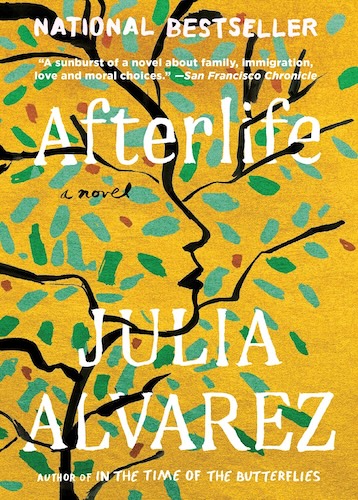
Afterlive
What do we owe the people who need us when we are barely holding ourselves together? Antonia Vega, a recently retired literature professor, is still reeling from the sudden death of her beloved husband when her life begins to unravel further: her unpredictable sister disappears, and a pregnant, undocumented teenager turns up seeking shelter. Accustomed to finding answers in books, Antonia discovers that grief and compassion demand more than words. Set in rural Vermont, this intimate, quietly powerful novel explores sisterhood, immigration, moral responsibility, and the courage it takes to begin again. As Antonia navigates a world fractured by fear and distrust, she must decide how to honour her own needs without turning away from the suffering of others.
2020 Dominican Republic
4
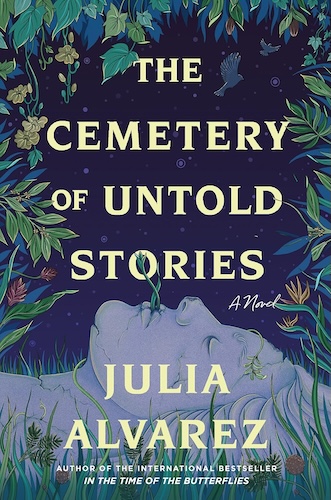
The Cemetery of Untold Stories
What happens to the stories we never tell? When celebrated novelist Alma Cruz retires, she returns to her family’s homeland, the Dominican Republic, and creates an unusual resting place for her unfinished manuscripts: a cemetery where forgotten characters can finally be laid to rest. But the stories refuse to remain buried. As their characters begin speaking back to their creator, hidden histories, family secrets, and forgotten lives emerge from the pages. Blending magical realism with Dominican history, Julia Alvarez explores who gets to tell a story, whose voices are silenced, and whether we ever truly own the stories we create. A moving celebration of the power of storytelling, this novel reminds us that even the tales we try to bury can find their way into the light.
2025 Dominican Republic