Dominican Republic
North America
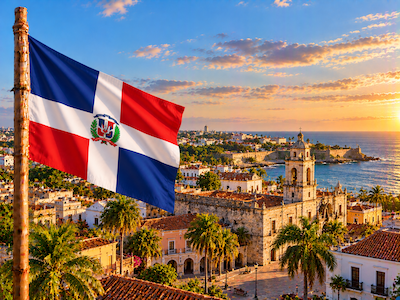
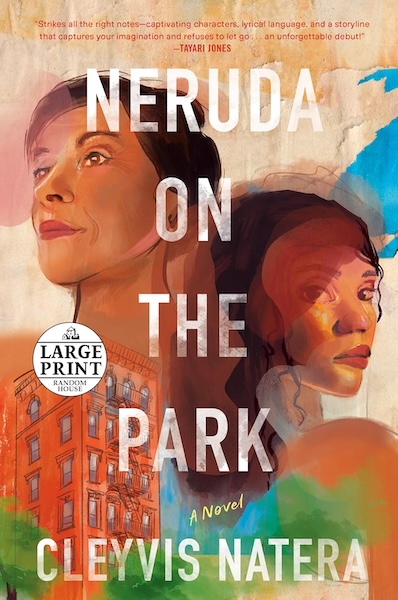
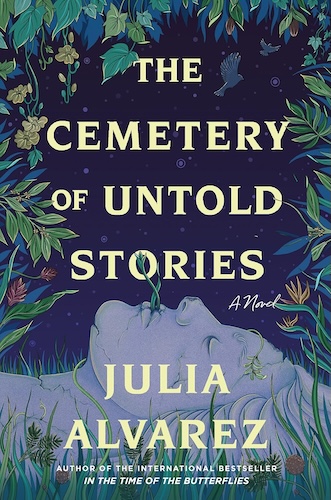
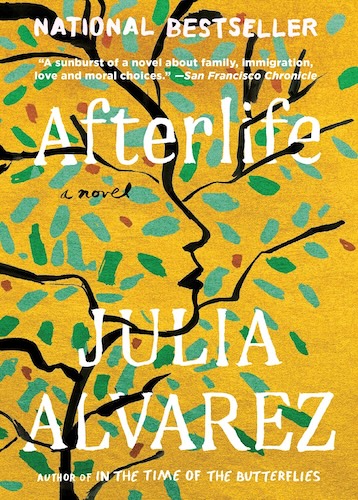
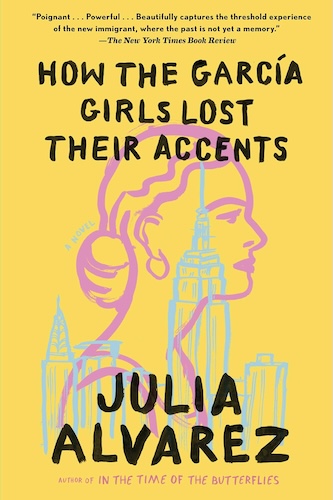
The Dominican Republic occupies the eastern part of Hispaniola in the Caribbean, combining tropical beaches, mountain ranges, fertile valleys, and historic cities. Its culture grew from Taíno, African, and Spanish influences, expressed through music, dance, food, religious traditions, and a vibrant urban culture centered around Santo Domingo.
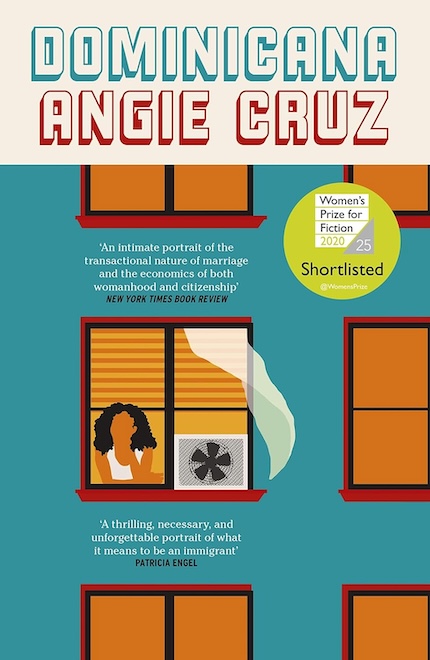
Dominican literature has a strong tradition of exploring identity, colonial history, dictatorship, migration, race, and the experience of belonging between the Caribbean and the wider world. Early literary culture developed during the colonial period, while the 19th and early 20th centuries brought a growing body of poetry, essays, and fiction connected to national identity. Important writers include Salomé Ureña, one of the country’s most celebrated poets and educators, and Pedro Henríquez Ureña, a major literary critic and intellectual whose work influenced Hispanic American literary thought. In contemporary literature, Julia Alvarez has become internationally known for novels such as In the Time of the Butterflies, while Junot Díaz, author of The Brief Wondrous Life of Oscar Wao, explores Dominican history, dictatorship, diaspora, language, and immigrant identity. Dominican writing often moves between island life and diaspora, making questions of memory, migration, family, and cultural inheritance particularly important.