Chingiz Aitmatov
KyrgyzstanAbout
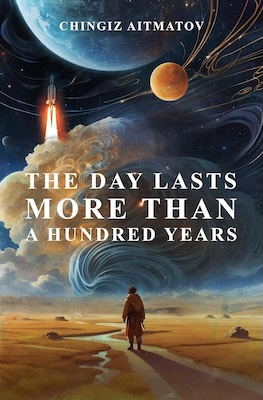
Chingiz Aitmatov (1928–2008) was a celebrated Kyrgyz novelist, short-story writer, and diplomat whose work brought the literature and cultural traditions of Central Asia to an international audience. Born in Sheker, a village in what was then the Kyrgyz Soviet Socialist Republic, he grew up during a turbulent period in Soviet history. His father, a government official, was arrested and executed during Stalin’s purges in 1938, an experience that profoundly influenced Aitmatov’s understanding of political repression and human suffering. Aitmatov initially studied agriculture before pursuing a literary career. He gained international recognition with Jamila (1958), a novella often praised for its lyrical portrayal of love and personal freedom. Other major works include The First Teacher (1962), Farewell, Gulsary! (1966), The White Ship (1970), and The Day Lasts More Than a Hundred Years (1980). His writing blends Kyrgyz folklore, oral storytelling, and nomadic traditions with universal questions about morality, memory, nature, and the consequences of political power. Beyond literature, Aitmatov served as a diplomat and represented Kyrgyzstan and the Soviet Union in international cultural and political contexts. His works have been translated into numerous languages, and he remains one of the most influential literary figures to emerge from Central Asia.