Hamid Ismailov

Hamid Ismailov

Uzbekistan

About

Hamid Ismailov is an Uzbek novelist, poet, and journalist born in 1954 in Tokmok, in what was then the Kirghiz Soviet Socialist Republic. He grew up in Uzbekistan and became a prominent literary voice whose work explores Central Asian history, cultural identity, political repression, and the experience of exile. Writing in Uzbek and Russian, Ismailov has produced novels, poetry, short stories, and literary criticism, often combining historical events with folklore, philosophical reflection, and experimental storytelling. In 1992, Ismailov left Uzbekistan amid increasing political pressure, eventually settling in London in 1994. His books were subsequently banned in his homeland. He worked for the BBC World Service for many years, including as head of its Central Asian service, while continuing his literary career. His best-known works include The Railway (2006), The Underground (2015), Of Strangers and Bees (2019), and The Devil’s Dance (2018; English translation published in 2019). The Devil’s Dance, which explores the life of Uzbek writer Abdulla Qodiriy during Stalin’s purges, won the 2019 EBRD Literature Prize. Ismailov’s fiction has been translated into numerous languages and is recognised for bringing Central Asian histories and experiences to international readers. In Gaia, Queen of Ants (English translation, 2020), Ismailov blends political satire, Sufi philosophy, and mythology to explore exile, identity, and the lasting effects of Soviet power.

Books on TheBookRoads
1
Of Strangers and Bees
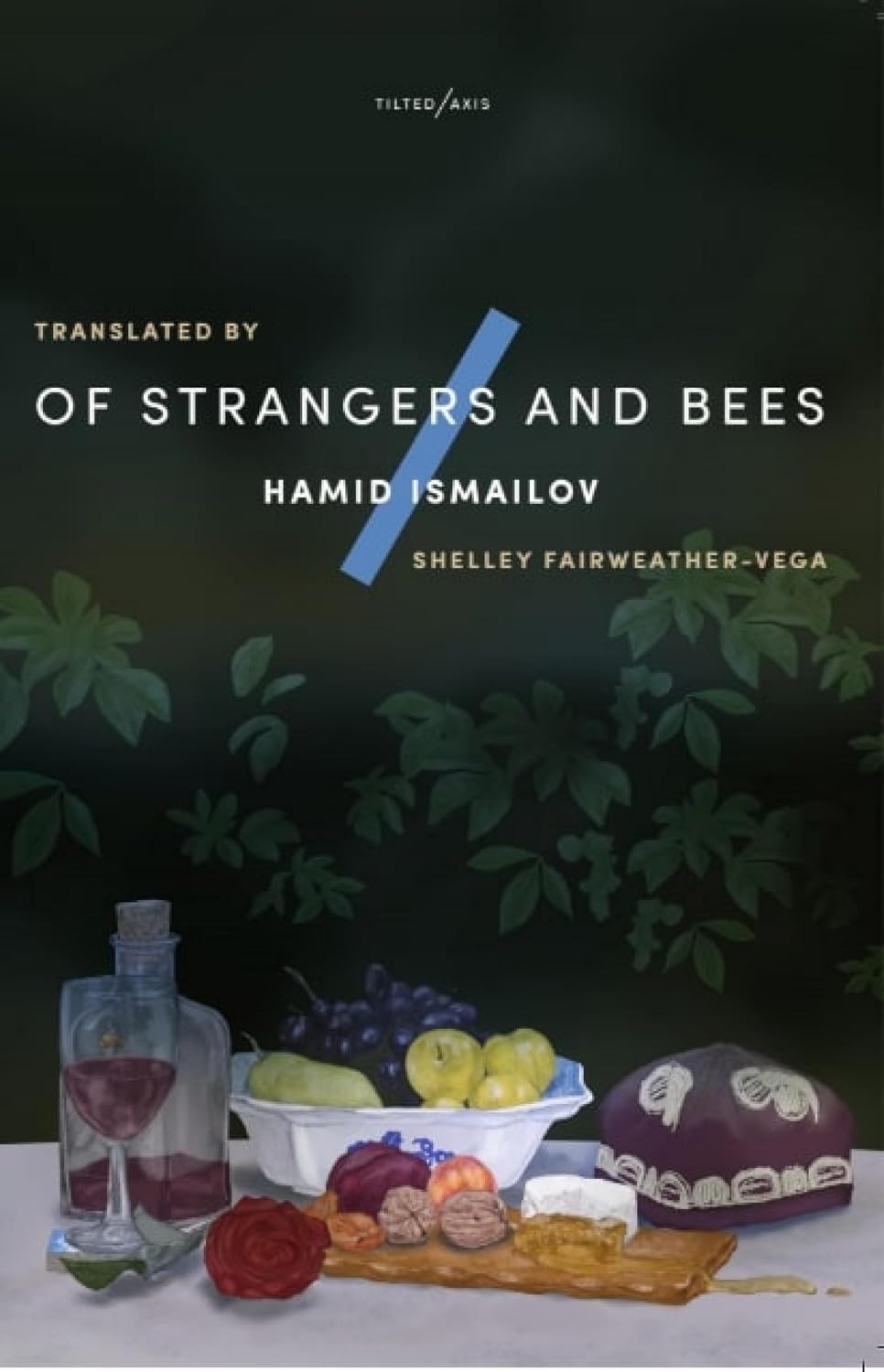
In Of Strangers and Bees, Uzbek writer Hamid Ismailov weaves together the experiences of a contemporary exile and the extraordinary life of Avicenna, the celebrated medieval philosopher, physician, and polymath. The novel follows Sheikhov, an Uzbek writer living far from his homeland, who awakens from a troubling dream convinced that Avicenna continues to wander the world in different incarnations. Their journeys echo one another across centuries and cultures, moving through Ottoman Turkey, medieval Germany, and Renaissance Italy. Blending historical fiction, philosophical reflection, traditional storytelling, and Sufi mysticism, Ismailov explores the meaning of belonging and the loneliness of life in exile. The novel also draws on Hayy ibn Yaqzan, a landmark work of medieval Islamic philosophy concerned with knowledge, reason, and spiritual awakening. Through layered narratives and allegorical episodes, Ismailov considers how people search for truth and wisdom while negotiating the boundaries between cultures, histories, and identities. The result is an imaginative meditation on displacement, intellectual freedom, and the enduring human quest for understanding.
2019 Uzbekistan
2
Gaia, Queen of Ants
Gaia, Queen of Ants
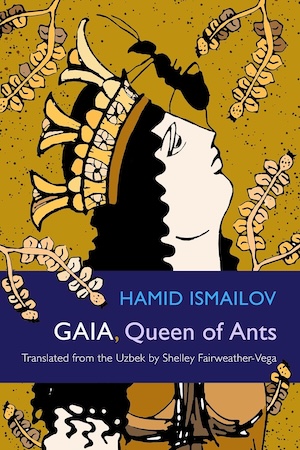
In Gaia, Queen of Ants, Uzbek novelist Hamid Ismailov weaves together political intrigue, mythology, Sufi philosophy, and the complicated legacies of Central Asian history. Set primarily in contemporary England, the novel follows three characters whose lives have been shaped by displacement and ethnic conflict. Domrul, a young Meskhetian Turk who fled Uzbekistan as a child, struggles to reconcile his Muslim heritage with his life in the West. His Irish girlfriend, Emer, carries her own painful memories of growing up amid the violence of the Bosnian War. Their lives become entangled with Gaia, an eighty-year-old Russian-Uzbek woman whose formidable personality conceals a disturbing past connected to Soviet political power. As their stories unfold, Ismailov moves between contemporary Europe and the turbulent history of Central Asia, blending realistic encounters with fables, religious parables, and surreal imagery. The result is a richly layered exploration of exile, cultural identity, corruption, and the ways people use stories to make sense of their lives. With dark humour and lyrical prose, the novel challenges readers to question the boundaries between truth, myth, and personal memory.
2020 Uzbekistan
Joanna Lillis
Joanna Lillis
0 books