René Maran
Central African RepublicAbout
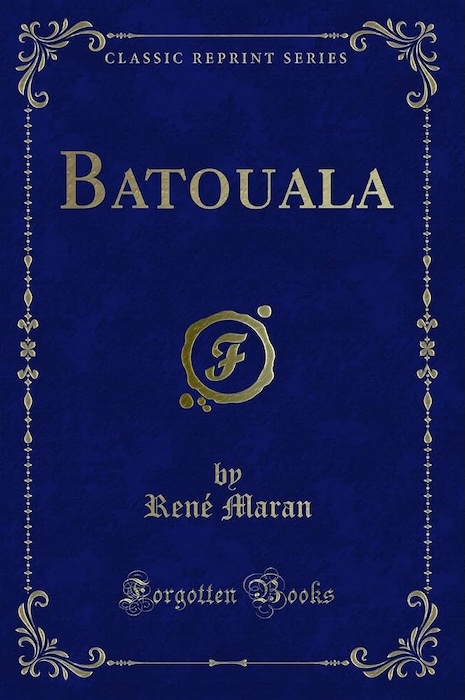
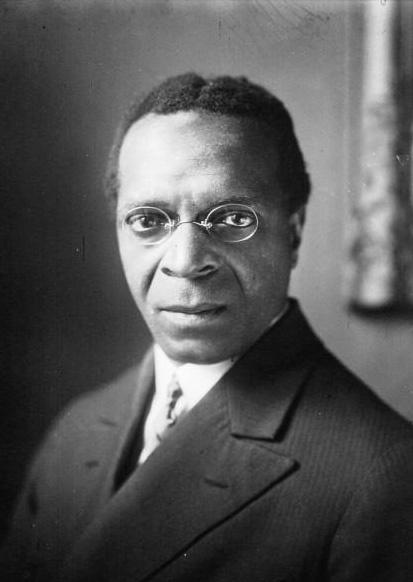
René Maran (1887–1960) was a French novelist, poet, and colonial administrator of Guianese descent, born aboard a ship travelling to Fort-de-France, Martinique. He spent part of his childhood in Gabon before being sent to school in Bordeaux, France. His experiences across the Caribbean, Europe, and Africa shaped his understanding of race, colonialism, and cultural identity. After completing his education, Maran joined the French colonial administration and worked in French Equatorial Africa, particularly in the territory of Oubangui-Chari, now the Central African Republic. His years there exposed him to the realities of colonial rule and influenced much of his literary work. Maran achieved international recognition with Batouala (1921), a novel that challenged the abuses of the French colonial system. The book won the Prix Goncourt, making him the first Black recipient of the award. Its uncompromising criticism of colonial exploitation provoked controversy and brought attention to the contradictions of France’s colonial mission. Although Maran’s literary reputation was sometimes overshadowed by the controversy surrounding Batouala, his work later influenced writers associated with the Négritude movement, including Léopold Sédar Senghor and Aimé Césaire. His wider body of work includes novels, poetry, essays, and animal stories. He remains an important figure in the history of Francophone and anticolonial literature.