Batouala
Central African Republic

Batouala

by René Maran

Summary

Set in French Equatorial Africa, in the territory that is now the Central African Republic, Batouala follows Batouala, a respected Banda village chief whose authority and way of life are threatened by the growing influence of French colonial rule. Through his daily experiences, relationships, and observations of village life, the novel portrays a community shaped by traditional customs, ceremonies, rivalries, and its close relationship with the natural world.

As colonial exploitation increasingly disrupts local life, Batouala witnesses the consequences of forced labour, economic extraction, and the arrogance of colonial administrators. Maran depicts the gap between the French colonial administration’s claims of bringing civilisation and the suffering experienced by the people living under its authority.

Published in 1921, the novel became a landmark in Francophone literature for its direct criticism of colonialism. Its preface, written by Maran himself, intensified the controversy surrounding the book. Batouala won the Prix Goncourt that year, making Maran the first Black writer to receive the prestigious French literary prize. The novel remains an important work for understanding colonial power, cultural identity, and resistance.

Reviews

Login to leave a review.

No reviews yet. Be the first!

You might also like

René Maran
René Maran

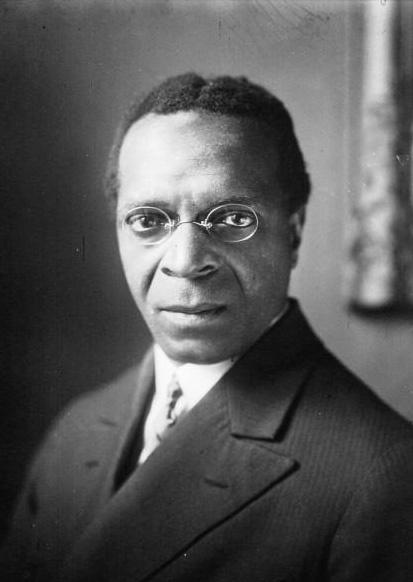
René Maran (1887–1960) was a French novelist, poet, and colonial administrator of Guianese descent, born aboard a ship travelling to Fort-de-France, Martinique. He spent part of his childhood in Gabon before being sent to school in Bordeaux, France. His experiences across the Caribbean, Europe, and Africa shaped his understanding of race, colonialism, and cultural identity. After completing his education, Maran joined the French colonial administration and worked in French Equatorial Africa, particularly in the territory of Oubangui-Chari, now the Central African Republic. His years there exposed him to the realities of colonial rule and influenced much of his literary work. Maran achieved international recognition with Batouala (1921), a novel that challenged the abuses of the French colonial system. The book won the Prix Goncourt, making him the first Black recipient of the award. Its uncompromising criticism of colonial exploitation provoked controversy and brought attention to the contradictions of France’s colonial mission. Although Maran’s literary reputation was sometimes overshadowed by the controversy surrounding Batouala, his work later influenced writers associated with the Négritude movement, including Léopold Sédar Senghor and Aimé Césaire. His wider body of work includes novels, poetry, essays, and animal stories. He remains an important figure in the history of Francophone and anticolonial literature.

View author page
Published
1921
Author
René Maran