Central African Republic

Africa

Central African Republic
3
books
3
authors

Books from Central African Republic

1
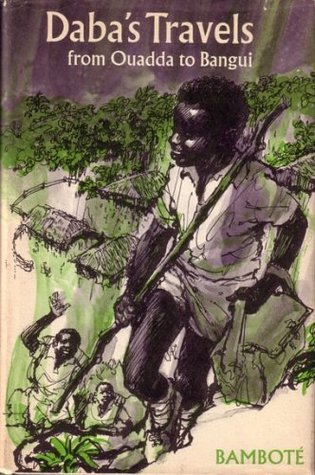
Daba’s Travels from Ouadda to Bangui
Daba’s Travels from Ouadda to Bangui follows Daba, a young boy growing up in the Central African Republic, whose life changes when he leaves his village of Ouadda to pursue an education. Raised in a close-knit rural community, Daba develops a deep affection for his family, his homeland, and the natural world around him. His journey takes him far beyond the familiar landscapes of his childhood, introducing him to new towns, people, and ways of life. As Daba travels towards Bangui, the country’s capital, he encounters different communities and experiences that broaden his understanding of the world. Education becomes a gateway to new opportunities, but his travels also make him more aware of the contrasts between rural and urban life. Drawing on the author’s own childhood experiences, the novel offers young readers an introduction to the geography, traditions, and everyday life of the Central African Republic. Through Daba’s adventures, Bamboté explores education, cultural identity, and the transition from childhood towards greater independence.
1970
2
Batouala
Batouala
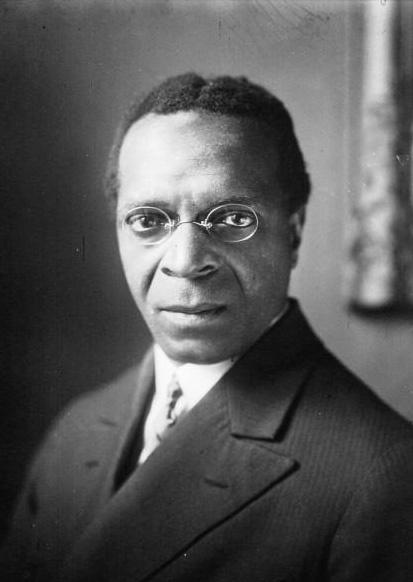
Set in French Equatorial Africa, in the territory that is now the Central African Republic, Batouala follows Batouala, a respected Banda village chief whose authority and way of life are threatened by the growing influence of French colonial rule. Through his daily experiences, relationships, and observations of village life, the novel portrays a community shaped by traditional customs, ceremonies, rivalries, and its close relationship with the natural world. As colonial exploitation increasingly disrupts local life, Batouala witnesses the consequences of forced labour, economic extraction, and the arrogance of colonial administrators. Maran depicts the gap between the French colonial administration’s claims of bringing civilisation and the suffering experienced by the people living under its authority. Published in 1921, the novel became a landmark in Francophone literature for its direct criticism of colonialism. Its preface, written by Maran himself, intensified the controversy surrounding the book. Batouala won the Prix Goncourt that year, making Maran the first Black writer to receive the prestigious French literary prize. The novel remains an important work for understanding colonial power, cultural identity, and resistance.
1921
3
Co-Wives, Co-Widows
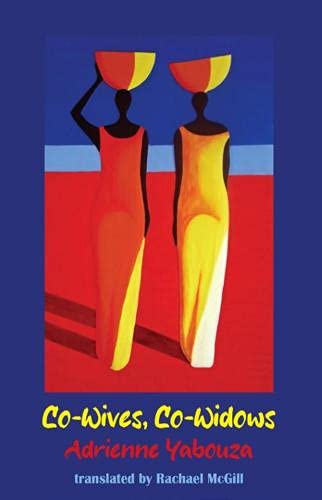
Co-Wives, Co-Widows
Set in Bangui, the capital of the Central African Republic, Co-Wives, Co-Widows tells the story of Ndongo Passy and Grekpoubou, two women who share a husband and have developed a close relationship despite the complexities of their family arrangement. When their husband, Lidou, a successful building contractor, suddenly dies, his opportunistic relatives accuse the women of poisoning him in an attempt to seize his property and inheritance. Expelled from their home and deprived of their security, the two widows must find a way to protect themselves and their children. As they confront corruption, patriarchal traditions, and a justice system that offers them little protection, they discover that their greatest strength lies in their solidarity with one another and with other women in their community. Combining humour, social satire, and vivid portrayals of everyday life, Yabouza explores women’s rights, economic vulnerability, and the unequal treatment of widows. Against a backdrop of political instability and social change, the novel celebrates female friendship and collective resistance, showing how women can challenge injustice by standing together.
2021

Famous authors from Central African Republic

About Central African Republic

The Central African Republic is a landlocked country in the heart of Africa, characterized by tropical forests, savannas, rivers, and dramatic rocky landscapes. Its population includes many cultural and linguistic communities, with Sango serving as an important national language alongside French.

Region
Africa
Literary Context

Central African literature has deep roots in oral storytelling, proverbs, songs, legends, and historical traditions that preserve community memory and cultural values. Modern writing, largely in French, has explored colonialism, political upheaval, conflict, displacement, identity, and resilience. Literature and oral traditions provide an important space for preserving cultural heritage and giving voice to individual experiences within a country marked by significant social and political change.

Africa