Seicho Matsumoto

Seicho Matsumoto

Japan

About

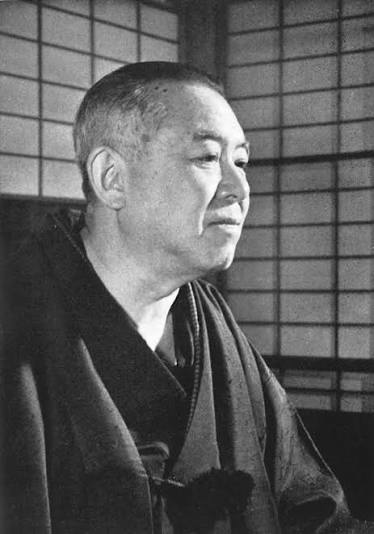
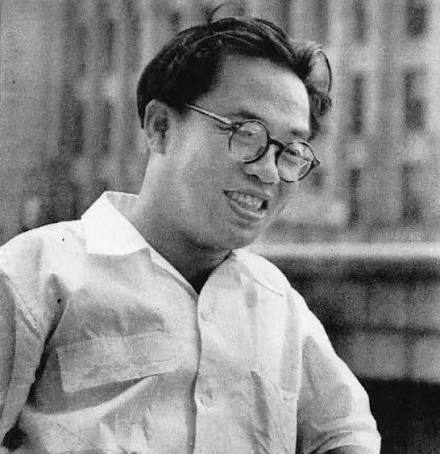
Seichō Matsumoto (1909–1992) was a Japanese novelist and short-story writer widely credited with transforming modern Japanese crime fiction. Born in Kitakyushu, Japan, he came from a modest background and worked in various jobs, including as a newspaper illustrator, before establishing himself as a writer later in life. His experiences outside the literary world helped shape his interest in ordinary people and the social forces influencing their lives. Matsumoto gained national recognition with Ari no Shūretsu (1957) and won the Akutagawa Prize in 1952 for The Legend of the Kokura Diaries. His breakthrough crime novel, Points and Lines (1958), helped establish a new style of Japanese detective fiction that emphasized psychological realism, social inequality, and institutional corruption rather than simply presenting an intellectual puzzle. Other notable works include Inspector Imanishi Investigates (1961), The Castle of Sand (1961), and A Quiet Place (1971). Often associated with shakai-ha—socially conscious crime fiction—Matsumoto used mystery and suspense to examine bureaucracy, ambition, class divisions, and the hidden pressures of postwar Japanese society. His work remains influential in Japanese crime literature and has been adapted extensively for film and television.

Books on TheBookRoads
1
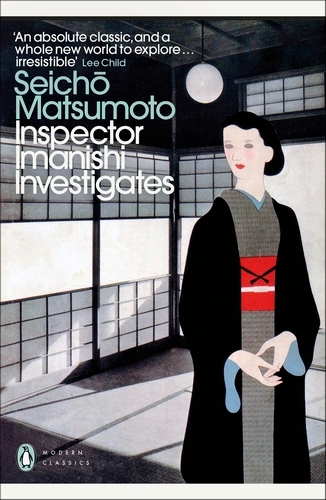
Inspector Imanishi Investigates
First published in 1961, Inspector Imanishi Investigates is a classic Japanese crime novel that follows Inspector Eitaro Imanishi as he investigates the mysterious murder of a man found dead beneath a train in Tokyo. What initially appears to be a straightforward case gradually unfolds into a complex investigation involving false identities, concealed pasts, and the social prejudices of postwar Japan. As Imanishi follows a trail of clues across the country, he encounters people whose lives have been shaped by ambition, discrimination, and the desire to escape their origins. Seichō Matsumoto combines the careful logic of a police procedural with a thoughtful examination of Japanese society, creating a mystery in which understanding human motivations is just as important as uncovering physical evidence.
1961 Japan
2
A Quiet Place
A Quiet Place
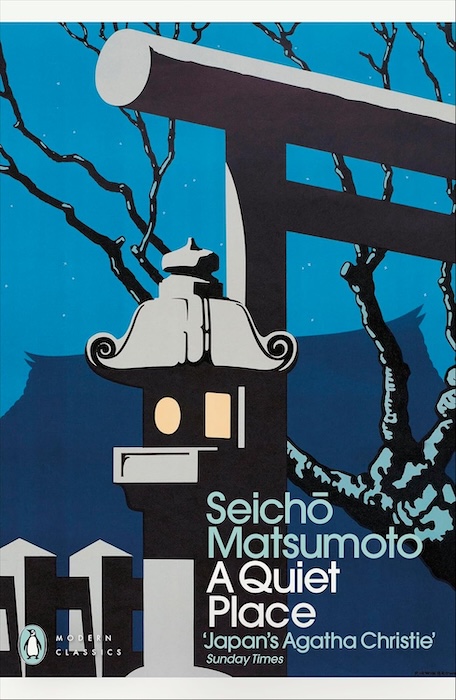
A Quiet Place follows Tsuneo Asai, a reserved government official whose life is disrupted when he learns that his wife, Eiko, has died suddenly while he is away on a business trip. Although she had a heart condition, the circumstances of her death trouble him: she collapsed in a small shop in a Tokyo neighbourhood she seemingly had no reason to visit. Determined to understand what happened, Asai investigates the area and discovers clues suggesting that his seemingly quiet and devoted wife may have been hiding a secret life. His search gradually draws him into a world of clandestine relationships, suspicion, and uncomfortable revelations. As he uncovers details about Eiko’s movements, his grief gives way to jealousy and doubt, threatening the orderly existence he has carefully maintained. Through this psychological mystery, Matsumoto examines the hidden tensions beneath respectable appearances, the constraints of marriage, and the effects of ambition and social expectations in postwar Japanese society. The novel reveals how little people may truly know about those closest to them.
2016 Japan
3
Twilight in Musashino
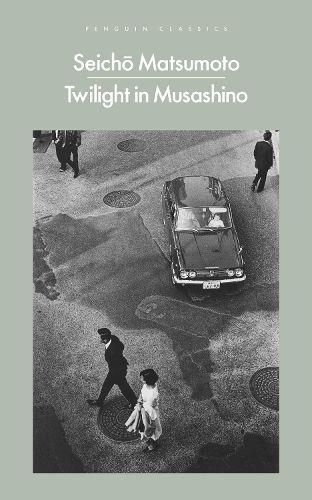
Set in postwar Japan in 1959, Twilight in Musashino begins with the discovery of a young Japanese flight attendant strangled on the icy banks of a river. As Detective Fujisawa investigates the murder, his attention turns to a foreign priest and the Guglielmo Church, a charitable Christian mission with an unsettling connection to the victim. What initially appears to be a straightforward criminal investigation gradually reveals a tangled web involving narcotics, postwar relief operations, and international diplomacy. The deeper Fujisawa digs, the more he encounters powerful institutions determined to protect their reputations and conceal uncomfortable truths. Blending meticulous police work with an incisive examination of social power, Seicho Matsumoto constructs a slow-burning mystery in which the pursuit of justice collides with political influence and institutional silence. The novel offers a compelling portrait of a society negotiating its identity in the aftermath of war, exposing the tensions between public morality and private corruption.
2026 Japan