Nawal El Saadawi

Nawal El Saadawi

Egypt

About

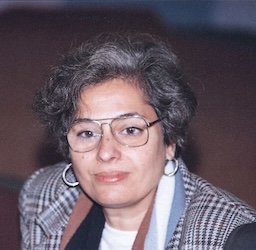
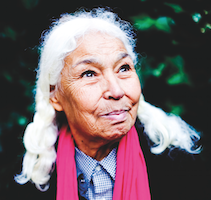
Nawal El Saadawi (1931–2021) was an Egyptian physician, psychiatrist, novelist, and feminist activist whose work challenged patriarchal traditions, religious authority, and gender inequality in the Arab world. Born in the village of Kafr Tahla, Egypt, she studied medicine at Cairo University and worked as a doctor in rural communities, where she witnessed the social and health consequences of women’s oppression. These experiences profoundly influenced her writing, which addresses female sexuality, bodily autonomy, political repression, and the relationship between gender and power. Her best-known novel, Woman at Point Zero (1975), tells the story of a woman sentenced to death whose life reveals the intersecting forces of poverty, violence, and patriarchal control. Other influential works include The Hidden Face of Eve (1977), a nonfiction examination of women’s lives and oppression in Arab societies. Saadawi’s outspoken criticism of established institutions led to censorship, imprisonment, and periods of exile. Her legacy continues to influence feminist thought and literature across the world.

Books on TheBookRoads
1
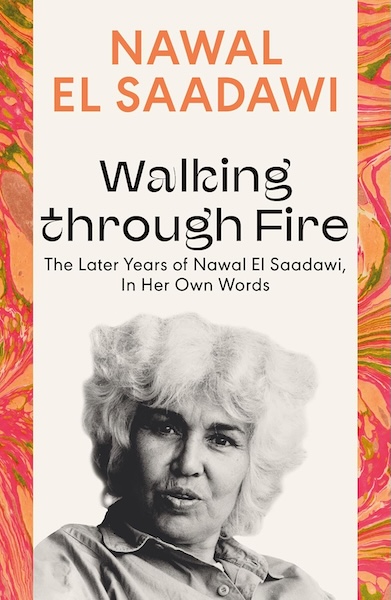
Walking through Fire
For Nawal El Saadawi, speaking openly about women’s oppression came at a personal cost: censorship, imprisonment, threats, and eventually exile. Yet she refused to surrender her voice. In Walking Through Fire, El Saadawi continues the story of her extraordinary life, recounting her years as a physician, writer, and activist in a society where challenging political and religious authority could be dangerous. She describes her efforts to establish women’s organisations and publish feminist writing, the threats that forced her into exile, and the personal struggles that accompanied her public resistance. The memoir reveals the woman behind the internationally recognised intellectual: passionate, questioning, and sometimes conflicted, but determined to live according to her convictions. Through recollections of marriage, motherhood, political repression, and the fight for justice, she explores what it means to remain independent in the face of relentless pressure. A testament to intellectual courage and personal freedom, the book documents a life spent confronting the forces that sought to silence her.
2002 Egypt
2
Woman at Point Zero
Woman at Point Zero
Woman at Point Zero tells the story of Firdaus, an Egyptian woman awaiting execution in a Cairo prison after killing a man. Through conversations with a female psychiatrist, Firdaus recounts the experiences that shaped her life, from a difficult childhood marked by poverty and abuse to her encounters with exploitation, violence, and patriarchal authority. As Firdaus grows older, she discovers how men and social institutions repeatedly attempt to control her body, choices, and future. After experiencing marriage, prostitution, and various forms of economic dependence, she begins to question the values of a society that condemns women while protecting those who exploit them. Drawing on themes of gender inequality, class, and power, El Saadawi presents Firdaus as a woman struggling to claim ownership of her life in a world that offers her few choices. The novel is a powerful critique of systemic oppression and an exploration of what freedom means when society denies a person dignity and autonomy.
1975 Egypt