
Olga Tokarczuk
PolandAbout
Olga Tokarczuk is one of Poland’s most internationally acclaimed contemporary writers. Born in Sulechów in 1962, she originally trained as a clinical psychologist before turning to literature. She has written novels, short stories, essays, and other works, and received the 2018 Nobel Prize in Literature; Flights won the International Booker Prize in 2018.
Books on TheBookRoads
1
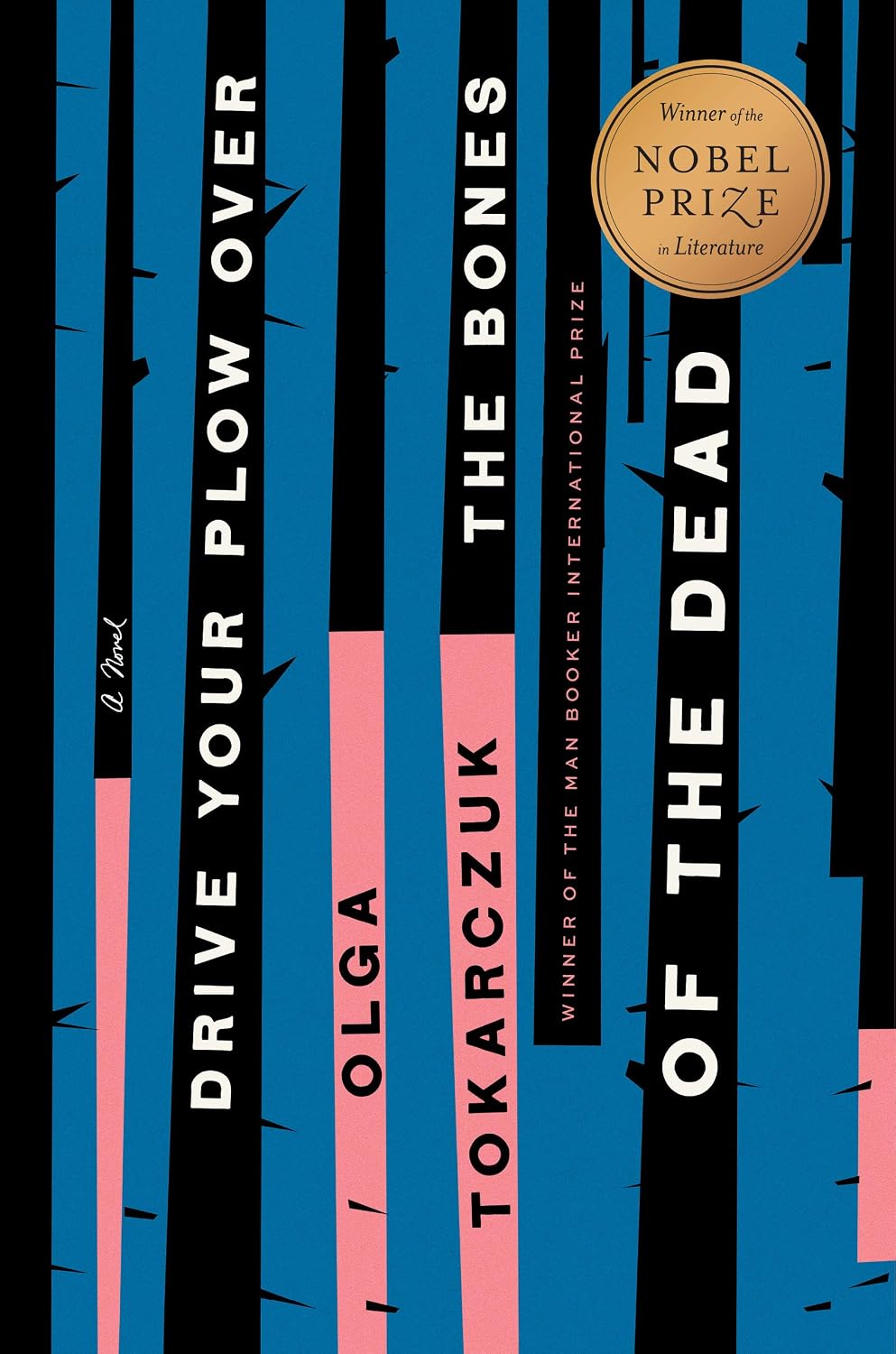
Drive Your Plow Over The Bones Of The Dead
Set in a remote Polish village near the Czech border, Drive Your Plow Over the Bones of the Dead follows Janina Duszejko, an eccentric older woman who lives in isolation, cares for summer houses, studies astrology, and feels a deep connection with animals and the natural world. When several men in the surrounding community die under mysterious circumstances, Janina develops her own theory about the killings, believing that the animals are taking revenge on those who have harmed them. However, the local authorities dismiss her ideas, partly because of her gender, age, and unconventional beliefs. As the investigation unfolds, the novel combines the structure of a murder mystery with philosophical reflections on justice, morality, and humanity’s relationship with other living creatures. Through dark humour and an unsettling narrative, Tokarczuk challenges assumptions about who deserves sympathy and whose suffering matters. The novel questions human dominance over nature and explores the blurred boundaries between justice, vengeance, and madness.
2020
Poland
2
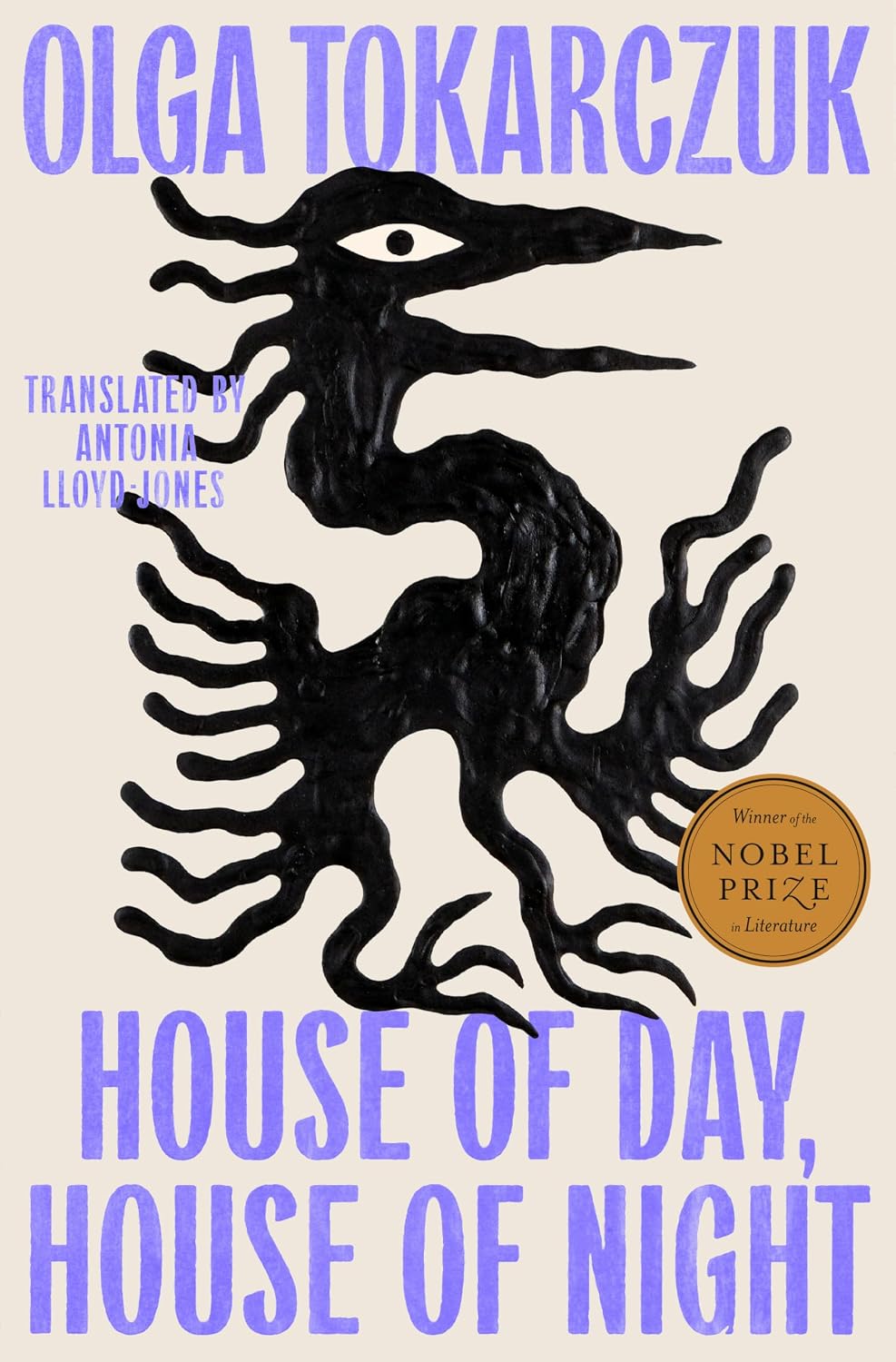
House of Day, House of Night
House of Day, House of Night is a fragmentary, dreamlike novel set in a small village near the Polish-Czech border, where everyday life intertwines with folklore, history, dreams, and the supernatural. Through a series of interconnected stories, memories, recipes, local legends, and reflections, Olga Tokarczuk explores the lives of the village’s inhabitants and the mysterious forces that shape their existence. The narrative moves between past and present, blending the ordinary with the uncanny and revealing how individual lives become woven into a larger tapestry of collective memory. Among its recurring subjects are the boundaries between life and death, the fluidity of identity, the relationship between humans and nature, and the spiritual dimensions of seemingly mundane experiences. Rather than following a conventional plot, Tokarczuk creates a mosaic of voices and perspectives that invites readers to discover connections between seemingly unrelated events. The novel transforms a remote borderland into a place where personal stories, forgotten histories, and myth coexist, questioning the limits of rational understanding and the nature of belonging.
2025
Poland
Country
Poland
Europe