Poland

Europe
Poland
3
books
1
author

Books from Poland

1
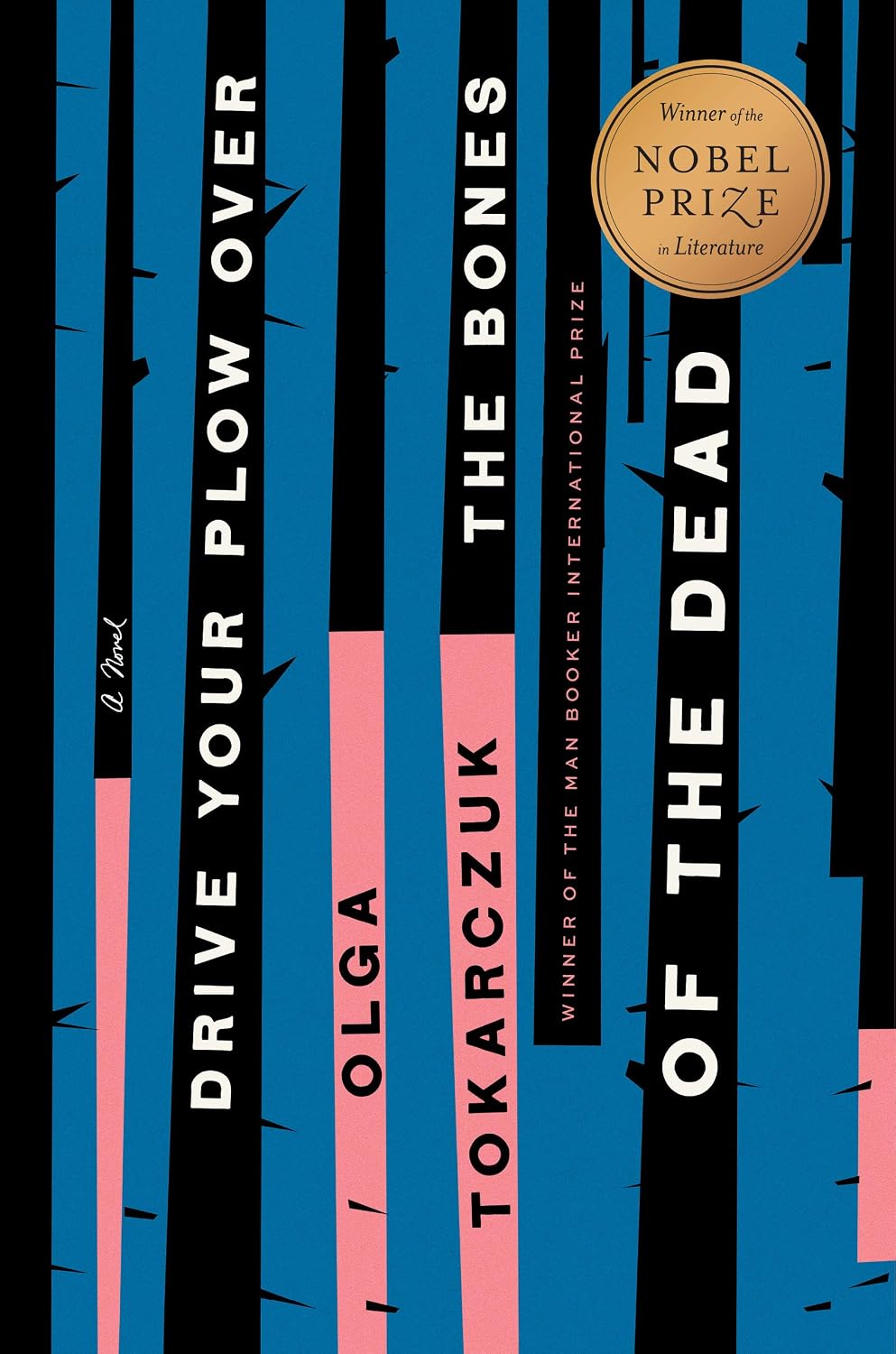
Drive Your Plow Over The Bones Of The Dead
Set in a remote Polish village near the Czech border, Drive Your Plow Over the Bones of the Dead follows Janina Duszejko, an eccentric older woman who lives in isolation, cares for summer houses, studies astrology, and feels a deep connection with animals and the natural world. When several men in the surrounding community die under mysterious circumstances, Janina develops her own theory about the killings, believing that the animals are taking revenge on those who have harmed them. However, the local authorities dismiss her ideas, partly because of her gender, age, and unconventional beliefs. As the investigation unfolds, the novel combines the structure of a murder mystery with philosophical reflections on justice, morality, and humanity’s relationship with other living creatures. Through dark humour and an unsettling narrative, Tokarczuk challenges assumptions about who deserves sympathy and whose suffering matters. The novel questions human dominance over nature and explores the blurred boundaries between justice, vengeance, and madness.
2020
2
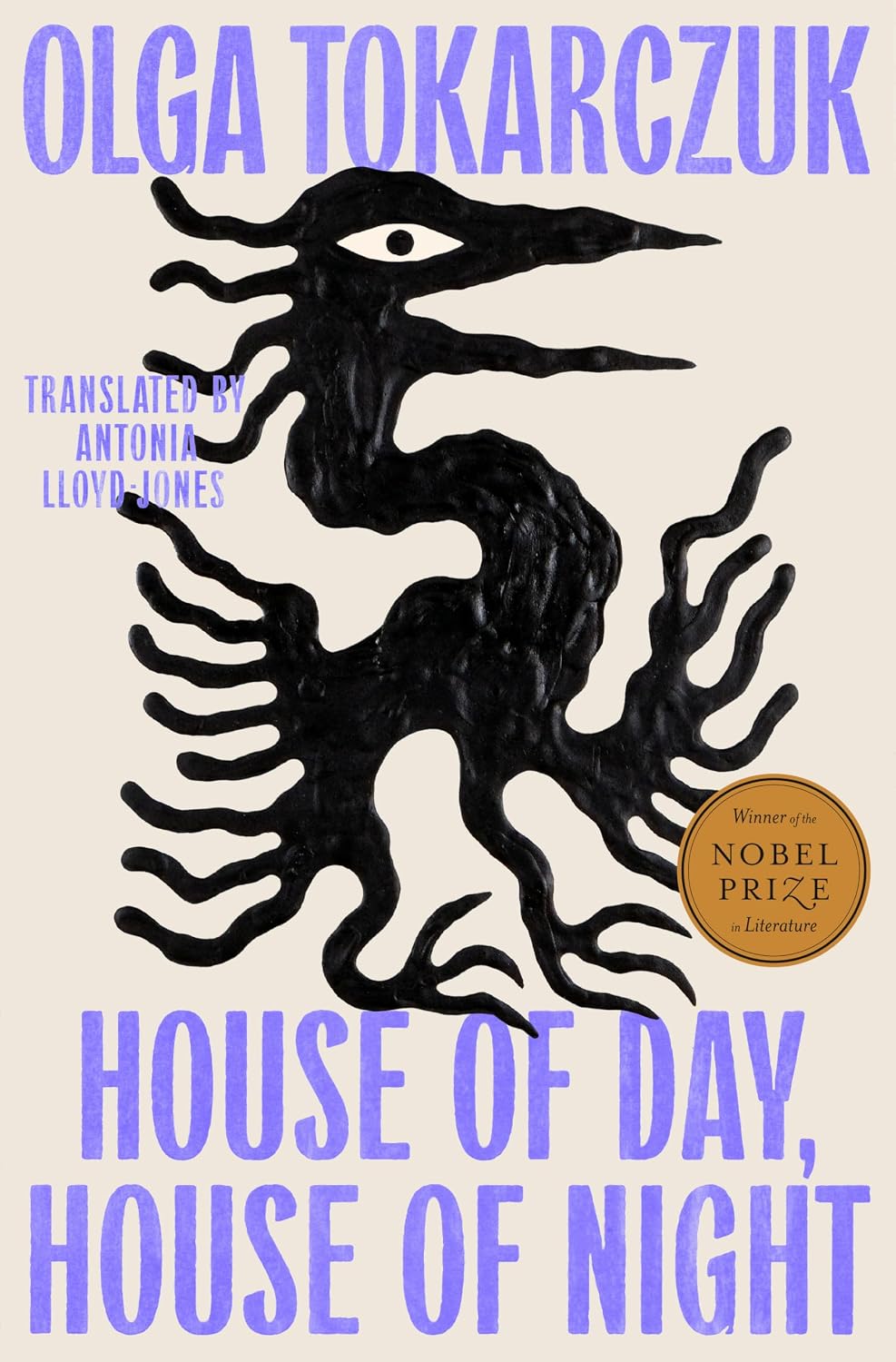
House of Day, House of Night
House of Day, House of Night is a fragmentary, dreamlike novel set in a small village near the Polish-Czech border, where everyday life intertwines with folklore, history, dreams, and the supernatural. Through a series of interconnected stories, memories, recipes, local legends, and reflections, Olga Tokarczuk explores the lives of the village’s inhabitants and the mysterious forces that shape their existence. The narrative moves between past and present, blending the ordinary with the uncanny and revealing how individual lives become woven into a larger tapestry of collective memory. Among its recurring subjects are the boundaries between life and death, the fluidity of identity, the relationship between humans and nature, and the spiritual dimensions of seemingly mundane experiences. Rather than following a conventional plot, Tokarczuk creates a mosaic of voices and perspectives that invites readers to discover connections between seemingly unrelated events. The novel transforms a remote borderland into a place where personal stories, forgotten histories, and myth coexist, questioning the limits of rational understanding and the nature of belonging.
2025
3
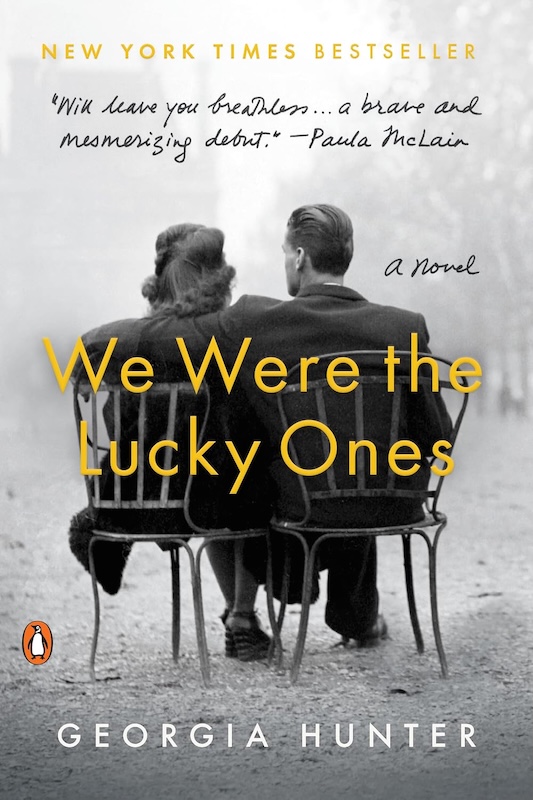
We Were the Lucky Ones
We Were the Lucky Ones is a historical novel inspired by the true story of the Kurc family, a Polish Jewish family separated by the Second World War. When Nazi Germany invades Poland, the family members are scattered across continents, each facing different dangers as they struggle to survive the Holocaust. From forced labor camps and occupied cities to resistance movements and refugee journeys, their experiences reveal the extraordinary lengths people will go to protect themselves and reunite with those they love. Despite persecution, loss, and uncertainty, the Kurcs maintain hope that they will one day find one another again. Drawing on her own family history, Georgia Hunter explores resilience, sacrifice, and the enduring bonds of family in the face of unimaginable adversity. The novel offers a moving portrait of survival and the determination to preserve love and humanity during one of history’s darkest periods.
2017

Famous authors from Poland

About Poland

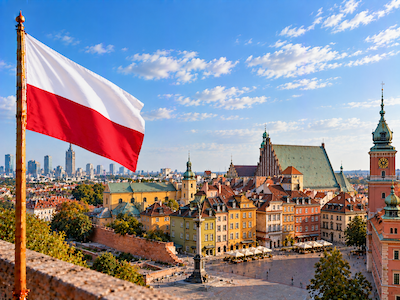
Poland is a country in Central Europe, known for its medieval towns, Baltic coastline, vast forests, lakes, and the mountain ranges of the south. Its landscape stretches from the sandy beaches of the Baltic Sea to the Tatra Mountains, with fertile plains and historic river cities in between. Poland’s identity has been shaped by Slavic traditions, Christianity, neighboring European cultures, and a complex history of partitions, occupation, and political transformation.

Region
Europe
Literary Context

Polish literature has a long tradition of medieval religious writing, folk tales, legends, poetry, and historical storytelling. During the 19th century, when Poland was partitioned between neighboring powers and disappeared from the political map, literature became a powerful means of preserving national identity. Romantic poets and writers explored freedom, exile, patriotism, and the relationship between individual sacrifice and collective destiny. Among Poland’s most influential writers is Adam Mickiewicz, whose epic poem Pan Tadeusz evokes Polish landscapes, traditions, and national memory. Henryk Sienkiewicz, awarded the Nobel Prize in Literature in 1905, became famous for his historical novels, including Quo Vadis. Other major figures include Wisława Szymborska, whose poetry combines philosophical reflection with wit; Czesław Miłosz, whose work explores history, exile, and moral responsibility; Witold Gombrowicz, known for his unconventional explorations of identity and social conventions; and Olga Tokarczuk, whose novels connect history, mythology, travel, and human relationships. Contemporary Polish literature frequently examines war, the Holocaust, migration, memory, identity, political change, family, and the tensions between personal freedom and social expectations.

Europe