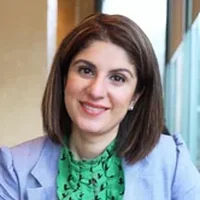
Nadia Hashimi
AfghanistanAbout
Nadia Hashimi is an Afghan-American novelist and pediatrician whose books explore Afghan history, family, identity, and the experiences of women. Her novels, including The Pearl That Broke Its Shell and A House Without Windows, often give voice to women navigating restrictive social traditions, war, and displacement.
Books on TheBookRoads
1

Sparks Like Stars
Sparks Like Stars begins in Kabul in 1978, when ten-year-old Sitara Zamani witnesses the violent overthrow of Afghanistan’s president and the murder of members of his household, including her family. Rescued by an American diplomat, she is taken to the United States and grows up under a new name, attempting to build a life far removed from the trauma of her childhood. Decades later, now a successful doctor in New York, she encounters a man whose appearance brings back memories she has spent years trying to suppress. Determined to uncover the truth about her past, she returns to the history she left behind. Hashimi explores the lasting effects of political violence, the fragility of memory, and the complex relationship between identity and belonging, asking whether confronting painful truths can help someone reclaim a lost part of themselves.
2021
Afghanistan
2
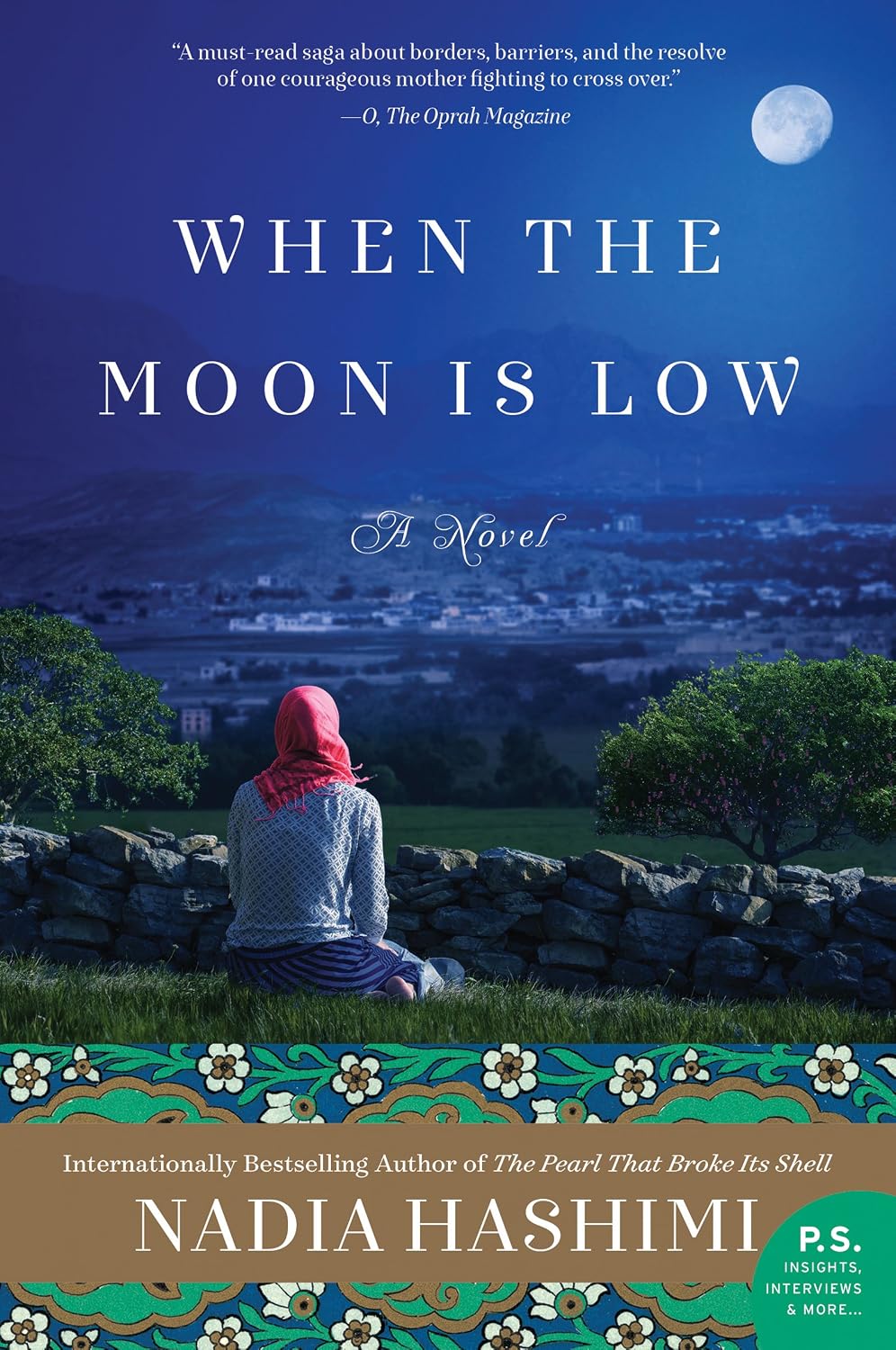
When the Moon Is Low
When the Moon Is Low follows Fereiba, an educated Afghan woman whose relatively secure life is shattered when her husband becomes a victim of political violence. Left to care for her three children, she decides to flee Afghanistan as the country’s instability and insecurity intensify. Their journey towards Europe exposes them to dangerous border crossings, exploitation, separation, and the uncertainty faced by refugees seeking safety. When circumstances force Fereiba and her teenage son, Saleem, onto different paths, both must find the strength to survive in unfamiliar environments. Moving between their experiences, Hashimi portrays the human cost of displacement and the difficult choices families make when their homes are no longer safe. The novel explores motherhood, resilience, and the search for freedom, highlighting the courage required to rebuild a life when everything familiar has been lost.
2016
Afghanistan
3
A House Without Windows: A Novel
A House Without Windows follows Zeba, an Afghan woman accused of murdering her husband, Kamal. Arrested and imprisoned while awaiting trial, she finds herself in a women’s detention centre in Kabul, where she encounters other women whose lives have been shaped by violence, coercion, and restrictive social expectations. Zeba’s children struggle to understand their mother’s arrest, while Yusuf, an Afghan-born lawyer raised in the United States, returns to Afghanistan and becomes involved in her defence. As the investigation unfolds, the novel reveals the complicated circumstances surrounding the death and the challenges of establishing justice in a society where women’s voices are often dismissed. Through Zeba’s story and those of her fellow prisoners, Hashimi examines domestic abuse, gender inequality, and the courage required to seek justice in a system that frequently fails vulnerable women.
2016
Afghanistan
4
The Pearl That Broke It's Shell
Set in Afghanistan, The Pearl That Broke Its Shell follows two women separated by a century but connected by their struggles against restrictive social expectations. In contemporary Kabul, Rahima grows up in a family without sons. Her parents allow her to become a bacha posh—a girl temporarily dressed and treated as a boy—giving her freedoms that would otherwise be denied to her. A century earlier, her ancestor Shekiba faces similar restrictions and hardship, eventually finding an opportunity to survive by living as a man. As their stories unfold in parallel, both women navigate a society shaped by patriarchal traditions, political instability, and gender inequality. Hashimi explores the resilience of women who challenge the boundaries imposed upon them, revealing how the desire for education, independence, and dignity can become an act of resistance.
2014
Afghanistan
Country
Afghanistan
Asia
Also from Afghanistan

Atiq Rahimi
1 book
Fowzia Karimi
1 book

Homeira Qaderi
1 book
Sima Samar
0 books