Orhan Pamuk
TürkiyeAbout
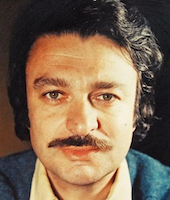
Turkish novelist and Nobel laureate (born 1952) whose work bridges East and West, exploring Istanbul's history and Turkey's cultural identity. He has faced legal prosecution in Turkey for statements about the Armenian genocide and Kurdish deaths.
Books on TheBookRoads
All genres
Historical Fiction
Literary Fiction
Romance
Non-Fiction
Mystery
Memoir
Fiction
Essays
Family Saga
1
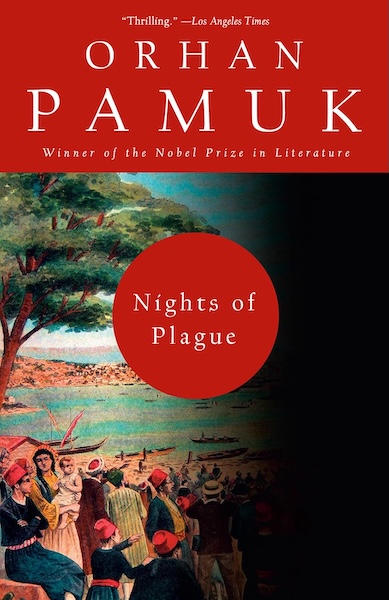
Nights of Plague
In 1901, a deadly plague reaches Mingheria, a fictional island in the eastern Mediterranean and the twenty-ninth province of the declining Ottoman Empire. Home to both Muslim and Greek Orthodox communities, the island is already divided by religious tensions and political rivalries. As the epidemic spreads, the Ottoman authorities send experts to impose quarantine measures, but suspicion, resistance, and competing loyalties threaten to undermine every attempt to contain the disease.
When a mysterious murder complicates the crisis, the island descends into a struggle involving religious leaders, government officials, scientists, and ordinary people desperate to survive. As the Ottoman administration loses control, the epidemic becomes a catalyst for rebellion and the emergence of a new national identity.
Blending historical epic, detective story, and political satire, Nights of Plague explores how fear reshapes societies and how crises expose the fragility of authority. Through an imagined history of an Ottoman island, Pamuk examines nationalism, religious conflict, scientific reasoning, and the human tendency to choose ideology over evidence.
2021
Türkiye
2
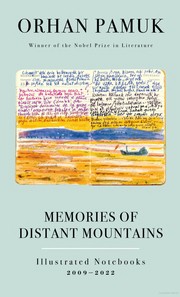
Memories of Distant Mountains
Memories of Distant Mountains is a collection of illustrated notebooks and personal reflections by Nobel Prize-winning author Orhan Pamuk, offering an intimate glimpse into his creative and everyday life. Combining handwritten notes, sketches, paintings, and observations, Pamuk moves between memories of his childhood in Istanbul, reflections on his family, and thoughts about the places, people, and experiences that have shaped his imagination.
The book reveals the relationship between writing and visual art in Pamuk’s creative process, showing how drawings and brief observations can capture moments that conventional storytelling might overlook. His notebooks also explore solitude, memory, urban life, and the passage of time, often returning to Istanbul as both a physical place and an enduring source of inspiration. Blending autobiography, travel writing, and artistic meditation, the collection offers readers access to the private world behind Pamuk’s novels. It is a reflection on how creativity emerges from paying attention to ordinary experiences and transforming fleeting impressions into lasting forms of expression.
2022
Türkiye