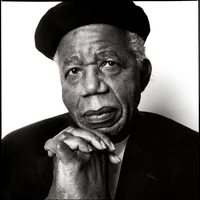
Chimamanda Ngozi Adichie
NigeriaAbout
Nigerian novelist and essayist (born 1977) known for her nuanced portrayals of contemporary African life, gender, and identity. Her 2009 TED Talk "The Danger of a Single Story" has been viewed over 30 million times.
Books on TheBookRoads
1
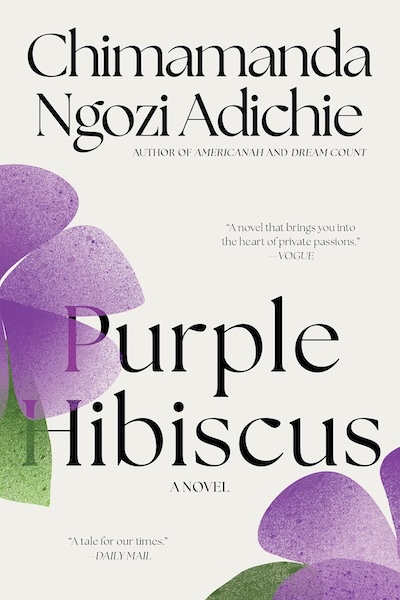
Purple Hibiscus
Purple Hibiscus follows fifteen-year-old Kambili Achike, who grows up in a wealthy Nigerian family ruled by her father, Eugene, a respected businessman and devout Catholic. In public, Eugene is admired for his generosity and outspoken opposition to political corruption. At home, however, his rigid religious beliefs and authoritarian behaviour create an atmosphere of fear and violence. Kambili and her brother, Jaja, learn to remain silent and obedient to avoid their father’s anger.
Their lives begin to change when they visit their aunt Ifeoma, a university lecturer who raises her children in a household filled with debate, laughter, and intellectual freedom. Through this experience, Kambili gradually discovers her own voice and begins to question the beliefs that have shaped her childhood. Set against the political instability of postcolonial Nigeria, the novel explores religious fanaticism, domestic abuse, freedom, and the courage required to challenge authority. With sensitivity and psychological depth, Adichie portrays a family’s struggle to break free from fear and rediscover the possibility of love and independence.
1980
Nigeria
2
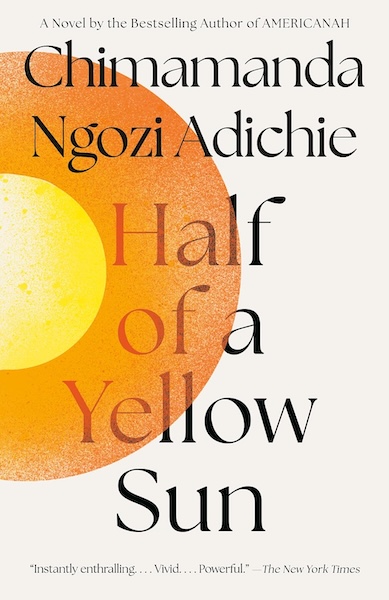
Half of a Yellow Sun
Half of a Yellow Sun is set in Nigeria during the 1960s, as the country moves from independence toward the devastating Biafran War. The novel follows three interconnected characters: Ugwu, a young houseboy who enters the service of a university professor; Olanna, the professor’s educated and politically engaged partner; and Richard, a British writer fascinated by Igbo culture who becomes involved with Olanna’s twin sister, Kainene. Through their experiences, Adichie portrays a society filled with intellectual ambition, political hope, and personal relationships that are gradually torn apart by ethnic tensions and conflict.
As the war intensifies and the independent state of Biafra struggles to survive, the characters face displacement, hunger, violence, and profound moral dilemmas. Their private lives become inseparable from the wider tragedy unfolding around them. Blending intimate storytelling with historical detail, the novel examines colonial legacies, ethnic identity, loyalty, and the devastating human cost of war. The title refers to the half-sun symbol on Biafra’s flag, representing a nation whose hopes for independence were ultimately shattered by conflict.
2007
Nigeria