Albert Camus
AlgeriaAbout
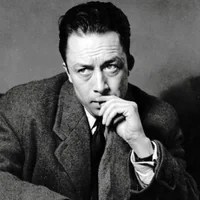
French-Algerian novelist, essayist, and philosopher (1913–1960) and Nobel laureate whose work is associated with absurdism. He explored the tension between humanity's desire for meaning and the universe's silence on the matter.
Books on TheBookRoads
1
The Plague
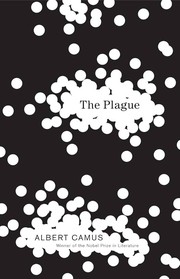
The Plague takes place in the Algerian city of Oran, where an outbreak of bubonic plague gradually isolates the population from the outside world. Dr Bernard Rieux and other residents struggle to respond to the epidemic as deaths increase and everyday life becomes dominated by fear, separation, and uncertainty. As the city is placed under quarantine, its inhabitants react in different ways: some retreat into denial, others seek personal comfort, and many discover unexpected courage through acts of solidarity. Camus uses the epidemic to examine the human response to suffering and the moral responsibilities people have towards one another. Written in the aftermath of the Second World War, the novel is also widely read as an allegory of fascism and resistance. It explores collective responsibility, resilience, and the importance of fighting injustice even when victory remains uncertain.
1947
France
2
The Fall
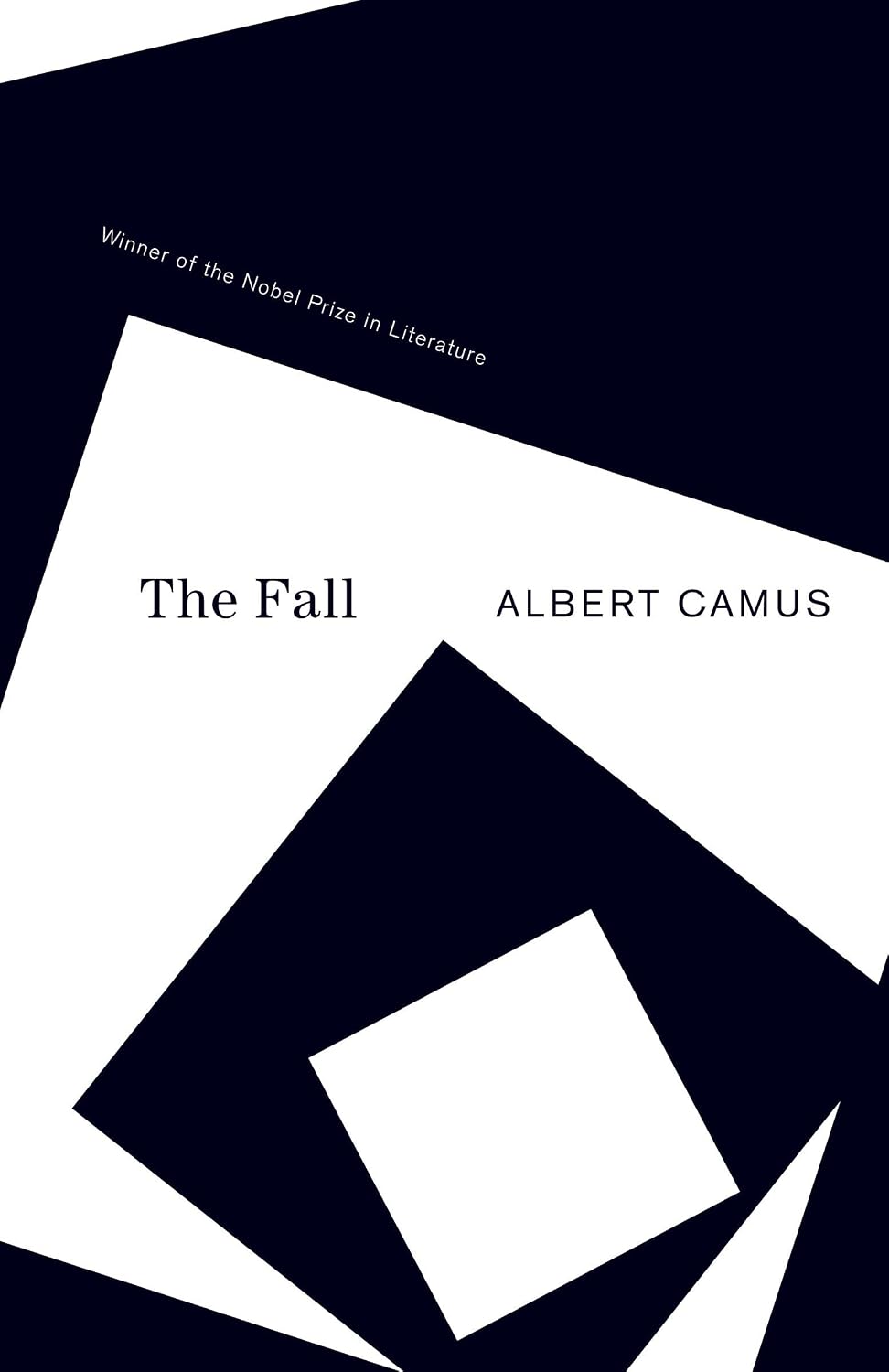
In a dim Amsterdam bar, Jean-Baptiste Clamence, a former Parisian lawyer, begins an extraordinary confession to a stranger. Once admired for his charm, generosity, and defence of the innocent, he enjoyed a life built on the conviction that he was a good man. But one night, while crossing a Parisian bridge, he hears a woman fall into the river—and does nothing to save her. The memory follows him, gradually dismantling his carefully constructed image of himself.
Now living in Amsterdam, Clamence calls himself a judge-penitent: a man who confesses his own sins while exposing the hypocrisy of others. Through his unsettling monologue, Camus examines guilt, moral responsibility, vanity, and humanity’s need to feel innocent. As Clamence reveals more about himself, readers are drawn into an uncomfortable question: are we truly capable of judging others without confronting our own failures?
Darkly ironic and psychologically penetrating, The Fall is a philosophical exploration of the distance between who we believe ourselves to be and who we really are. Camus transforms one man’s confession into a searching indictment of modern society, challenging readers to examine their own motives, silences, and moral compromises.
1956
France