About

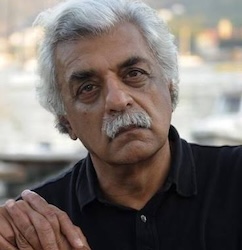
Tariq Ali is a British-Pakistani writer, historian, filmmaker, and political commentator born in Lahore, Pakistan, in 1943. He studied at the University of Punjab before moving to Britain, where he became involved in student activism and political movements during the 1960s. He is a longtime editor of New Left Review and has written extensively on history, politics, imperialism, and international affairs. Ali is the author of numerous nonfiction books, including The Clash of Fundamentalisms and The Duel, as well as plays, screenplays, and novels. Shadows of the Pomegranate Tree is the first novel in his Islam Quintet, a series of historical novels exploring encounters and conflicts between Muslim and Western societies across different periods. His historical fiction frequently revisits overlooked perspectives and challenges dominant narratives about religion, empire, and cultural identity. Through his writing, Ali examines how political power shapes historical memory and how communities struggle to preserve their cultural heritage in the aftermath of conquest.

Books on TheBookRoads
1
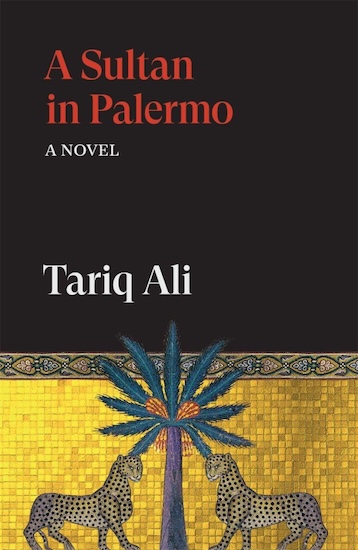
A Sultan in Palermo (The Islam Quintet)
Set in Sicily in 1153, A Sultan in Palermo explores a fascinating period when Norman rulers governed an island deeply shaped by Arab and Muslim culture. Palermo is a flourishing centre of learning, where Arabic language and intellectual traditions remain influential despite the political dominance of Christian rulers. At the heart of the novel is Muhammad al-Idrisi, a celebrated Muslim cartographer and scholar, who serves King Roger II of Sicily, known to his Muslim subjects as Sultan Rujari. As Idrisi navigates his friendship with the ageing ruler, he becomes increasingly torn between loyalty to the royal court and solidarity with fellow Muslims who are resisting Norman rule or preparing to leave the island. Surrounded by political intrigue, religious tensions, and personal desires, he must confront the moral compromises of life under an increasingly unstable regime. Blending historical figures with imaginative storytelling, Tariq Ali explores cultural coexistence, the struggle for power, and the fragile relationship between political authority and personal conscience. The novel is the fourth book in Ali’s Islam Quintet.
2026 Italy
2
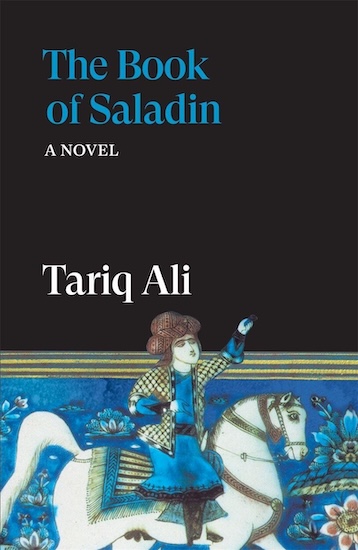
The Book of Saladin (The Islam Quintet)
Set in the twelfth century, The Book of Saladin reimagines the life of Salah al-Din, better known as Saladin, the Kurdish Muslim ruler who united Egypt and Syria and recaptured Jerusalem from the Crusaders in 1187. The novel takes the form of Saladin’s fictional memoir, dictated to Ibn Yakub, a Jewish scribe tasked with recording the Sultan’s life and achievements. To create a fuller portrait of his subject, Ibn Yakub interviews Saladin’s wives, servants, and companions, revealing the private relationships and personal ambitions behind the public image of a celebrated military leader. As Saladin rises to power and prepares to reclaim Jerusalem, the narrative explores the political rivalries, religious tensions, and fragile alliances that shape his world. Alongside military campaigns and diplomatic intrigue, the novel delves into the intimate lives of the royal household, including a passionate relationship between Saladin’s favoured wife, Jamila, and another woman in the harem, Halima. Ali presents a complex portrait of medieval Muslim society, challenging simplified accounts of the Crusades and exploring the contradictions between political ideals and personal desires. Questions of faith, power, loyalty, sexuality, and cultural coexistence run throughout the story, connecting the struggles of the medieval world with conflicts that continue to resonate today.
2026 Egypt Palestine Syria