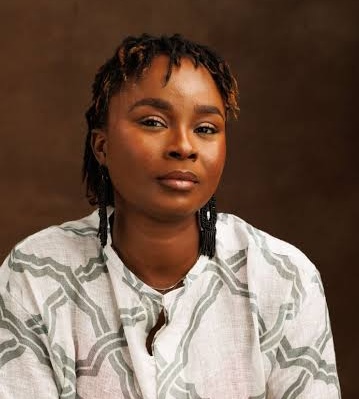
Ayọ̀bámi Adébáyọ̀

Ayọ̀bámi Adébáyọ̀

Nigeria

About

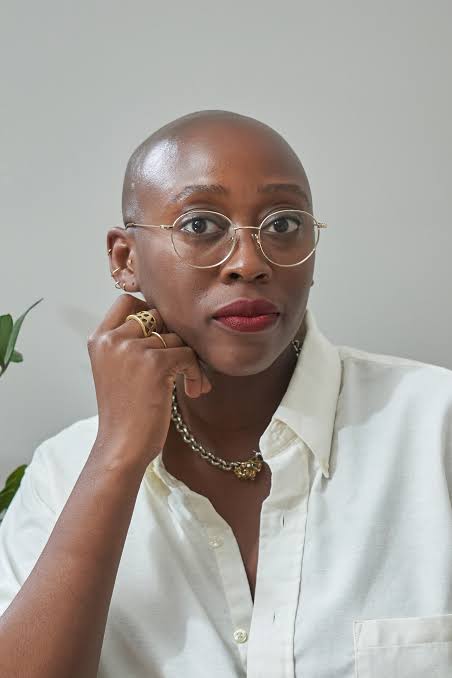
Ayọ̀bámi Adébáyọ̀ is a Nigerian novelist and short-story writer born in Lagos, Nigeria. She studied English literature at Obafemi Awolowo University, where she earned both bachelor’s and master’s degrees, before completing a master’s degree in creative writing at the University of East Anglia in the United Kingdom. Her debut novel, Stay with Me, received international acclaim. It won the 9mobile Prize for Literature and the Prix Les Afriques, and was shortlisted for the Baileys Women’s Prize for Fiction and the Wellcome Book Prize. The novel has been translated into more than twenty languages and was named a notable book of the year by The New York Times. Adébáyọ̀’s second novel, A Spell of Good Things (2023), was longlisted for the Booker Prize and shortlisted for several other literary awards. Her writing often examines family relationships, social inequality, gender expectations, and the ways political and cultural forces shape private lives. She has also written for publications including The New York Times, The Guardian, and The Financial Times.

Books on TheBookRoads
1
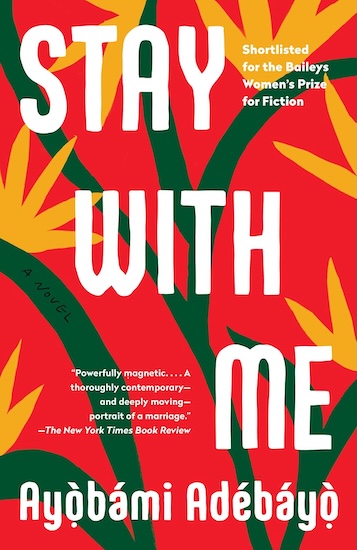
Stay with Me
Stay with Me
Set in Nigeria during the 1980s and 1990s, Stay with Me tells the story of Yejide and Akin, a young couple whose passionate love is gradually tested by family expectations, infertility, and devastating secrets. Having met and fallen in love at university, Yejide and Akin agree that polygamy has no place in their marriage. But after four years together without a child, pressure from Akin’s family becomes unbearable. His relatives eventually arrange for him to take a second wife, believing that another woman might succeed where Yejide has not. Humiliated and desperate to save her marriage, Yejide becomes increasingly determined to conceive. As the couple struggle with fertility treatments, traditional remedies, and the demands of their families, their relationship begins to unravel. Decisions made out of fear and desperation lead to betrayal, grief, and consequences neither could have imagined. Meanwhile, political unrest and military upheaval provide a backdrop to their deeply personal struggles. Told through the alternating perspectives of Yejide and Akin, the novel explores the painful intersection of love, marriage, and cultural expectations. Adebayo examines how the pressure to become parents can shape a person’s identity, how secrets can destroy even the closest relationships, and how grief changes the meaning of family. Ultimately, Stay with Me is a moving story about the sacrifices people make for love and the complicated ways they attempt to protect one another from heartbreak.
2018 Nigeria
2
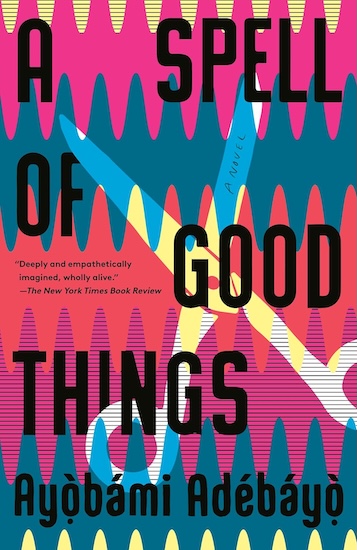
A Spell of Good Things
Set in contemporary Nigeria, A Spell of Good Things follows two young people from vastly different social backgrounds whose lives become entangled amid growing political tensions, family pressures, and personal struggles. Ẹniọlá is a sixteen-year-old boy whose family has fallen into poverty after his father loses his job as a teacher. Once accustomed to a more comfortable life, he now struggles to pay his school fees and preserve his dignity. He runs errands, works for a local tailor, and occasionally begs on the streets, all while holding on to his dreams of a better future. Wúràọlá, meanwhile, comes from a wealthy and influential family. A talented young doctor in her first year of practice, she is exhausted by the demands of her profession and trapped in an increasingly troubling relationship with Kúnlé, the son of a powerful politician. Although her privileged background offers financial security, it cannot protect her from the pressures and dangers of her personal life. When a local politician takes an interest in Ẹniọlá and violence erupts during a family celebration, the lives of the two young people become unexpectedly connected. Their stories unfold against a backdrop of political corruption, social inequality, and a society approaching a moment of crisis. Through these intersecting narratives, Adébáyọ̀ examines the relationship between wealth and power, the vulnerability of women, and the ways social class shapes people’s opportunities and choices. The novel reveals how the struggles of seemingly different individuals are connected by the structures surrounding them, offering a nuanced portrait of contemporary Nigerian society.
2024 Nigeria