Women & Society
All countries
Afghanistan
Bangladesh
Barbados
China
Egypt
El Salvador
India
Iraq
Ireland
Jordan
Lebanon
Nigeria
Pakistan
Palestine
Saudi Arabia
Singapore
Sweden
Tanzania
Türkiye
Uganda
United Arab Emirates
United Kingdom
United States
1
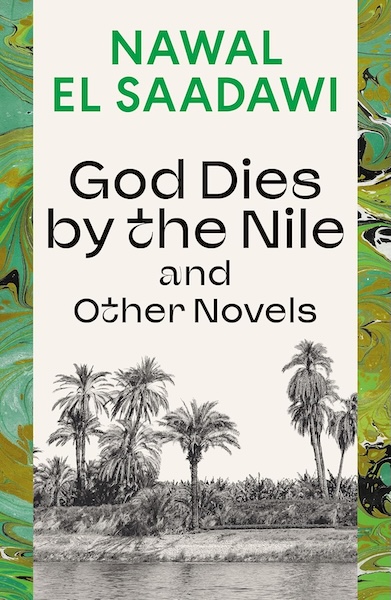
God Dies by the Nile and Other Novels
What lies beneath the traditions, laws, and social expectations that have shaped women’s lives for generations?
In The Hidden Face of Eve, Egyptian writer, physician, and feminist Nawal El Saadawi examines the realities of women’s lives across the Arab world, drawing on her medical work in rural Egypt and her experiences as a women’s rights activist. She confronts subjects often pushed into silence, including female genital mutilation, sexual violence, honour killings, reproductive rights, and legal inequality.
Moving between personal testimony, historical analysis, religion, and cultural criticism, El Saadawi challenges the social structures used to justify women’s oppression. She also explores the historical contributions of Arab women and the struggles of those who have resisted restrictive gender roles.
Passionate and uncompromising, this influential work asks readers to question the boundaries between tradition, faith, and patriarchal power. First published in Arabic in 1977, The Hidden Face of Eve remains a landmark of Arab feminist writing and a powerful call for women’s freedom and equality.
Egypt
1977
2
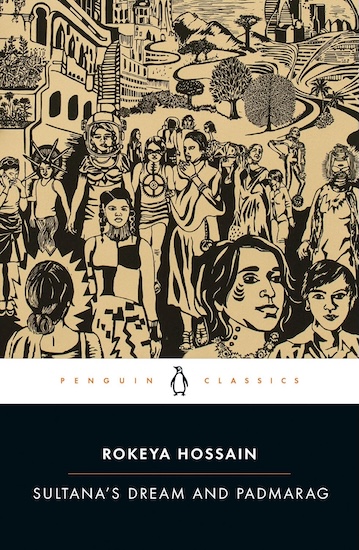
Sultana's Dream and Padmarag
What would the world look like if women held the power and men were confined to the home? In Sultana’s Dream, a pioneering feminist science-fiction story, Sultana discovers Ladyland, a peaceful, technologically advanced society where women lead scientific progress and men observe purdah. In Padmarag, a diverse community of women builds a refuge offering education, shelter, and independence to those constrained by marriage, poverty, and social prejudice. Written nearly a century before many contemporary feminist debates, these visionary works challenge patriarchy, religious and social conventions, and colonial power. Together, they imagine a world where women’s liberation begins not simply with equality, but with the freedom to shape society on their own terms.
Bangladesh
1905
About this theme
- Books
- 50
- Countries
- 23
Countries with this theme
Afghanistan
Asia
Bangladesh
Asia
Barbados
North America
China
Asia
Egypt
Africa
El Salvador
North America
India
Asia
Iraq
Asia
Ireland
Europe
Jordan
Asia
Lebanon
Asia
Nigeria
Africa
Pakistan
Asia
Palestine
Asia
Saudi Arabia
Asia
Singapore
Asia
Sweden
Europe
Tanzania
Africa
Türkiye
Asia
Uganda
Africa
United Arab Emirates
Asia
United Kingdom
Europe
United States
North America