War & Conflict
Narratives shaped by conflict, survival, and the human cost of war.
All countries
Afghanistan
Algeria
Armenia
Bangladesh
Benin
Bosnia and Herzegovina
Cambodia
Canada
China
Congo, Democratic Republic
Côte d’Ivoire (Ivory Coast)
Croatia
Cyprus
Ethiopia
France
Germany
Greece
Indonesia
Iraq
Japan
Kenya
Lebanon
Malaysia
Mexico
Myanmar
Netherlands
Nigeria
North Korea
Pakistan
Palestine
Russia
Rwanda
Senegal
South Korea
Sri Lanka
Syria
Tanzania
Türkiye
Ukraine
United Kingdom
United States
Vietnam
Yemen
1
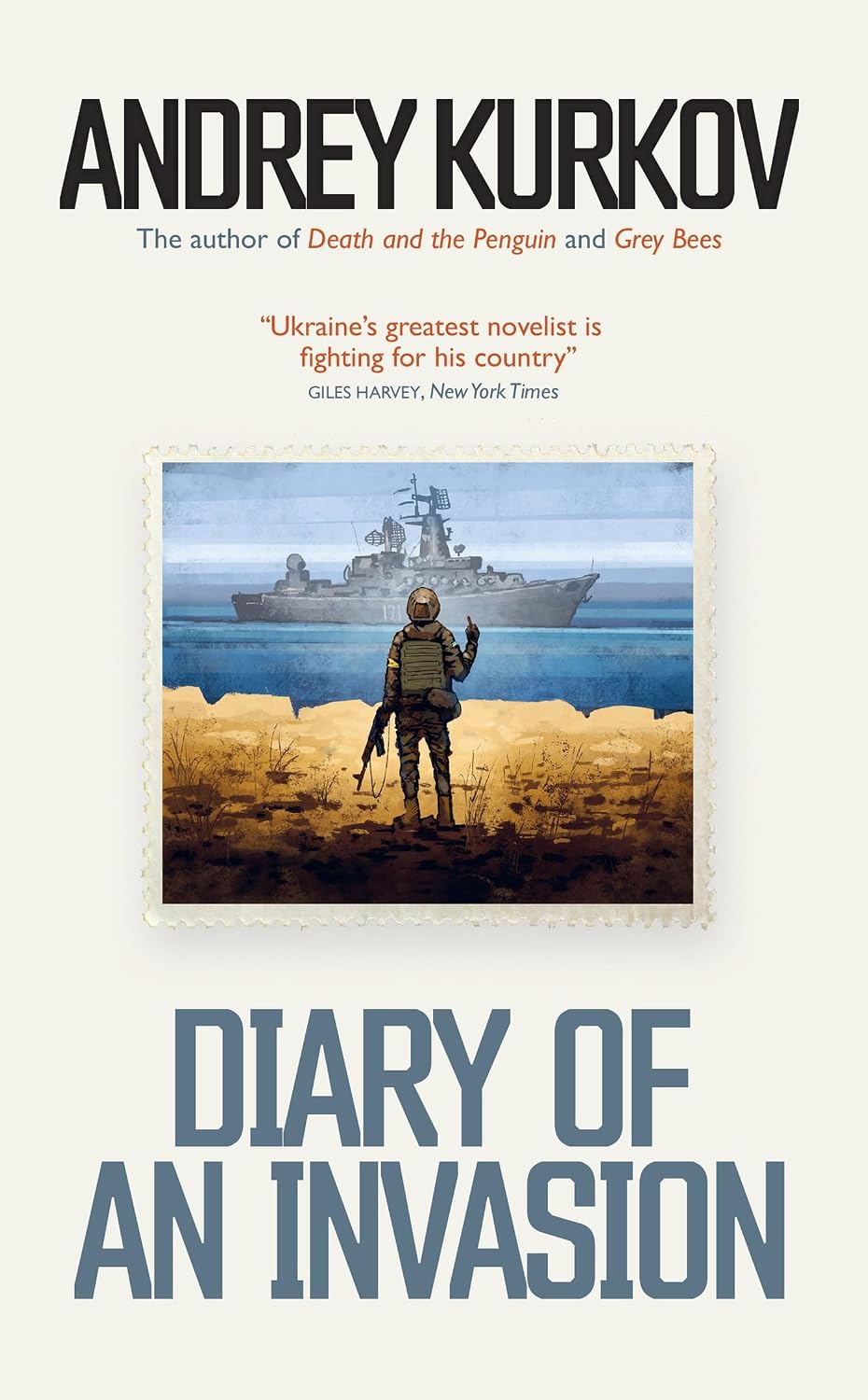
Diary of an Invasion
When Russia launched its full-scale invasion of Ukraine on 24 February 2022, Ukrainian novelist and journalist Andrey Kurkov began documenting the unfolding catastrophe from the perspective of someone living through it. Diary of an Invasion combines personal diary entries, reportage, and historical reflection to chronicle the months leading up to the invasion and its devastating aftermath. As Kurkov and his family seek safety in western Ukraine, he records the experiences of displaced civilians, the destruction of communities, and the extraordinary determination of people struggling to preserve their everyday lives.
Beyond documenting military events, Kurkov examines the complex historical relationship between Russia and Ukraine, the significance of language and cultural identity, and the resilience of Ukrainian society in the face of aggression. His observations are interwoven with moments of dark humour, compassion, and quiet defiance. Both an eyewitness account and a reflection on national identity, the book offers an intimate portrait of a country fighting not only for its territory but also for its cultural survival.
Ukraine
2022
2
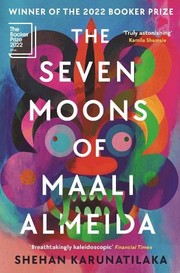
The Seven Moons of Maali Almeida
The Seven Moons of Maali Almeida follows Maali, a war photographer and gambler who awakens after his death in a mysterious afterlife. Set against the backdrop of Sri Lanka’s violent civil conflict in the 1980s, the novel gives Maali seven moons—or seven days—to discover who killed him and to help the people he loves find a collection of photographs that could expose atrocities committed during the war. As he navigates a bureaucratic and chaotic realm of the dead, he encounters other spirits and gradually confronts the dangers he faced while alive. Karunatilaka combines supernatural fiction, dark humour, and political satire to examine violence, corruption, and the struggle to preserve truth in a society marked by fear. The novel explores the responsibilities of witnessing, the power of evidence, and the difficulty of achieving justice when the dead have been denied a voice.
Sri Lanka
2022
3
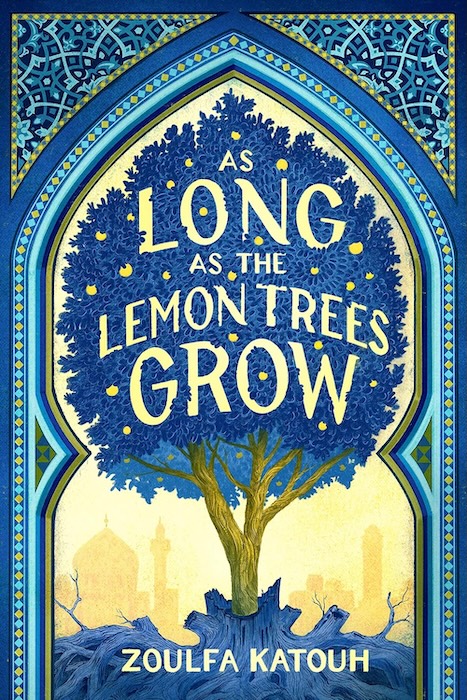
As Long As the Lemon Trees Grow
Set during the Syrian revolution and the ensuing civil war, As Long as the Lemon Trees Grow follows Salama, a young pharmacy student who becomes a medical volunteer in a hospital in Homs. Once hopeful about her future, she now witnesses the devastating effects of violence while struggling with the trauma of losing loved ones and the responsibility of protecting those who remain. Haunted by an imagined companion named Khawf, whose presence reflects her fear and inner conflict, Salama faces an agonising choice: stay in Syria to help her community or flee the country in search of safety. Her growing relationship with Kenan, a young man who dreams of a future beyond the war, offers a fragile source of hope. Katouh explores courage, grief, love, and the moral dilemmas faced by ordinary people caught in extraordinary circumstances.
Syria
2022
4
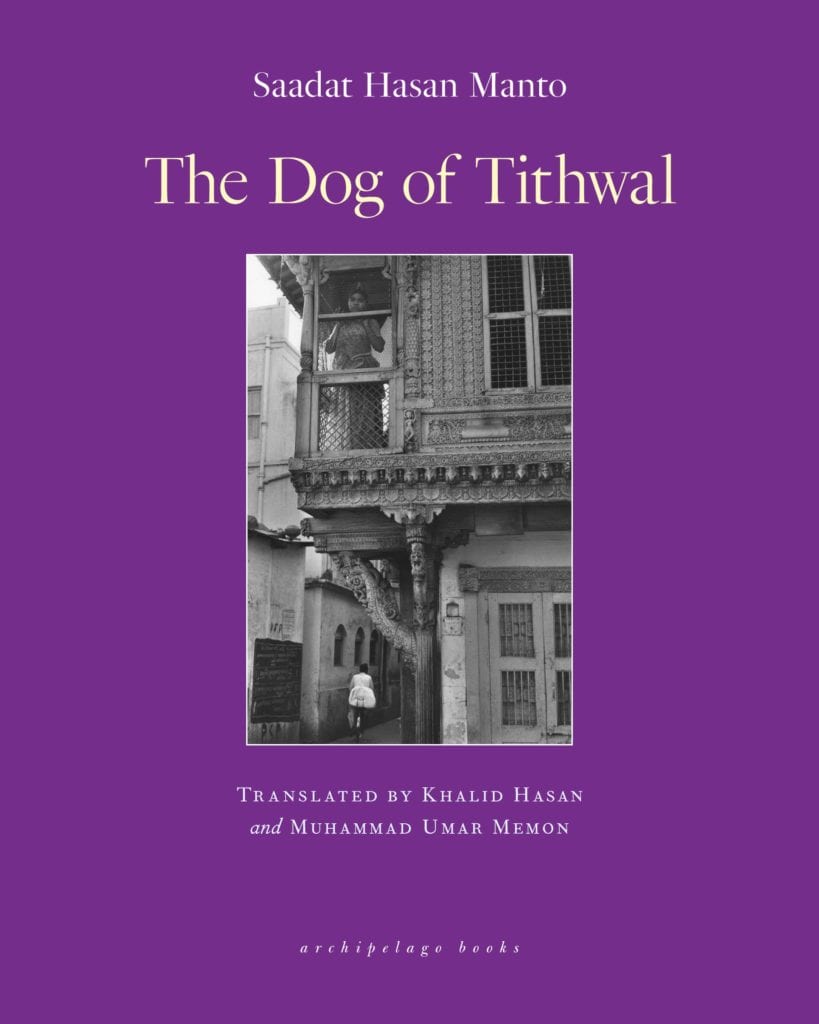
The Dog of Tithwal
On the mountainous border between India and Pakistan, two groups of soldiers face each other in a tense military standoff. Their routine is interrupted by the arrival of a stray dog, an innocent creature that wanders between the opposing camps. The soldiers begin to claim the dog as their own, giving it names and interpreting its movements as signs of loyalty or betrayal. What begins as a seemingly harmless game gradually turns sinister, exposing the absurdity of nationalism and the cruelty of a conflict in which even an animal cannot remain neutral. With biting irony and devastating simplicity, Saadat Hasan Manto transforms this brief encounter into a powerful allegory of Partition and the violence produced by artificial divisions. The story asks what happens to humanity when political identity becomes more important than compassion—and when the innocent are made to pay for the hostility of others.
Pakistan
2021
5
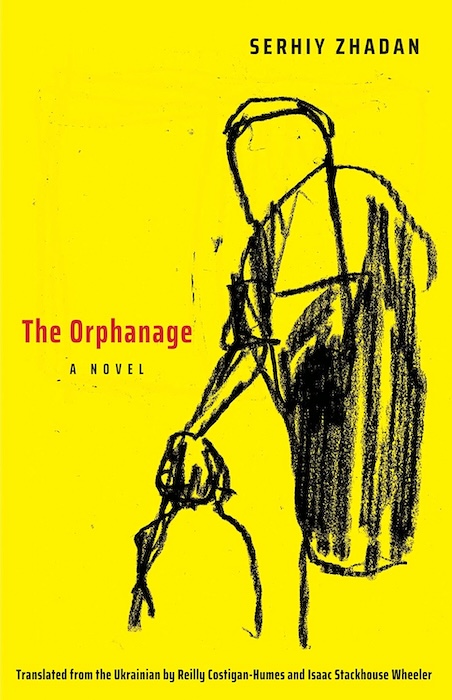
The Orphanage
Set in eastern Ukraine during the war in Donbas, The Orphanage follows Pasha, a thirty-five-year-old Ukrainian language teacher who has spent his life avoiding politics and keeping his distance from the conflicts around him. When fighting reaches a neighbouring city, he must cross the front line to retrieve his thirteen-year-old nephew, Sasha, from a boarding school that has become increasingly dangerous.
What should be a straightforward journey turns into a harrowing passage through a landscape devastated by shelling, military checkpoints, and collapsing infrastructure. As Pasha encounters soldiers, displaced civilians, and people struggling to survive, his familiar world becomes unrecognisable. With each step, he is forced to reconsider his loyalties, his responsibilities, and what it means to belong to a country at war.
Written with stark lyricism and an unflinching eye for everyday suffering, Zhadan’s novel portrays the human cost of armed conflict. Beyond the physical dangers, it explores indifference, moral responsibility, and the difficult realisation that remaining neutral may no longer be possible. The Orphanage won the 2022 EBRD Literature Prize.
Ukraine
2021
6
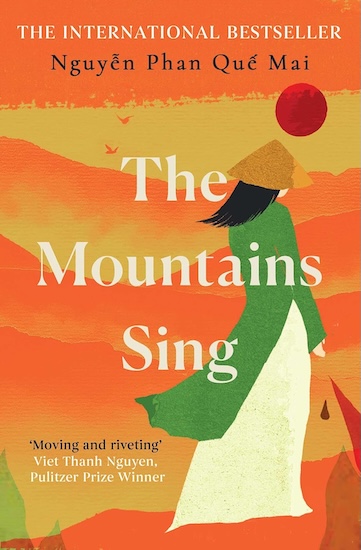
The Mountains Sing
Spanning several decades of Vietnamese history, The Mountains Sing follows the Trần family through famine, political upheaval, land reform, and the Vietnam War. The story centres on grandmother Trần Diệu Lan, who is forced to flee her family farm with her six children during the land reforms of the 1950s. Years later, her young granddaughter Hương grows up in Hanoi as the war tears her family apart and sends her parents and uncles into battle.
Through alternating perspectives, the novel reveals the extraordinary hardships endured by successive generations. While Hương tries to understand the world around her, Diệu Lan shares memories of loss, survival, and the choices she made to protect her children. Their relationship becomes a source of strength in a country where families have been divided by political loyalties, violence, and competing visions of the future.
Drawing on Vietnamese history, folklore, poetry, and cultural traditions, Nguyễn Phan Quế Mai presents a deeply personal perspective on a conflict often portrayed internationally through foreign experiences. The novel explores the lasting consequences of war while celebrating the resilience of ordinary people, the bonds between generations, and the possibility of healing through remembrance and compassion.
Vietnam
2020
7
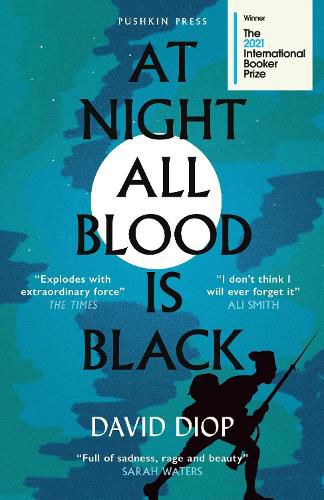
At Night All Blood is Black
During the First World War, Alfa Ndiaye, a young Senegalese soldier fighting for the French army, watches his childhood friend and fellow soldier, Mademba, suffer a horrific battlefield injury. Mademba repeatedly begs Alfa to end his suffering, but Alfa cannot bring himself to deliver the fatal blow. Haunted by guilt and the memory of his friend’s agony, Alfa begins a terrifying transformation. Night after night, he ventures into enemy territory, killing German soldiers in increasingly brutal ways and returning to camp with their severed hands. His fellow soldiers grow frightened of him, whispering that he has become something beyond human. As Alfa’s violence intensifies, the boundaries between courage and madness, revenge and remorse, begin to dissolve. Through his increasingly fragmented narration, Diop exposes the psychological devastation of war and the dehumanising legacy of colonialism. Drawing on Senegal’s history of supplying soldiers to the French army, this haunting novel challenges conventional narratives of heroism and examines the terrible cost of turning human beings into instruments of violence. It won the 2021 International Booker Prize, shared by Diop and translator Anna Moschovakis.
Senegal
2020
8
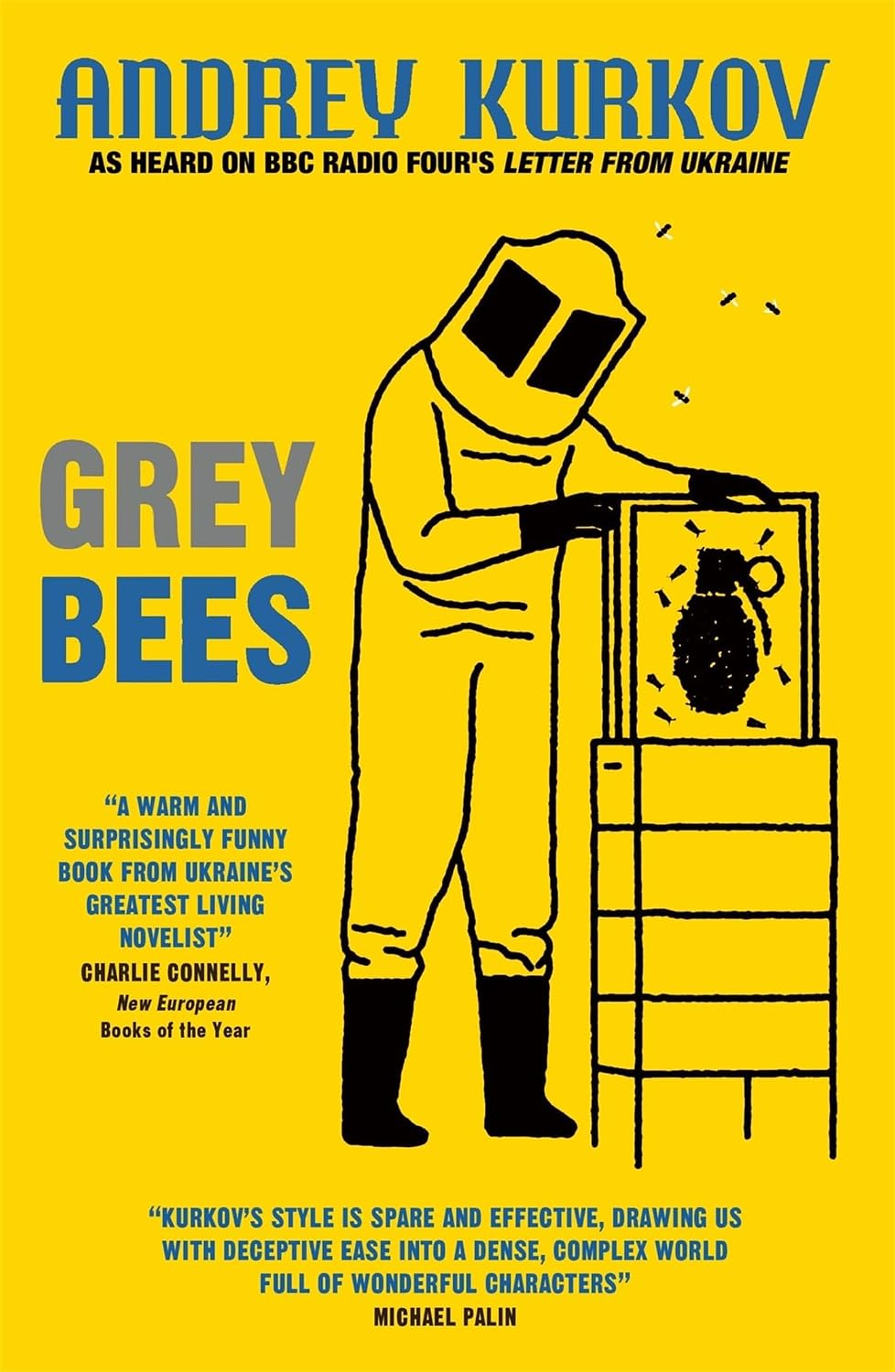
Grey Bees
In a deserted village in eastern Ukraine, deep inside the so-called Grey Zone between Ukrainian forces and Russian-backed separatists, only two residents remain: Sergey Sergeyich, a retired mine safety inspector and devoted beekeeper, and Pashka, his former schoolmate and longtime rival. With no electricity and the constant threat of shelling, Sergeyich finds comfort in tending to his bees, whose orderly world offers a fragile contrast to the violence surrounding him.
As spring approaches, he decides to transport his beehives to safer pastures, embarking on a journey across a war-torn landscape. Along the way, he encounters soldiers and civilians on opposing sides of the conflict, including Russian occupiers and Crimean Tatars. His encounters reveal the human consequences of political division while challenging the boundaries between enemies and neighbours.
Combining dark humour, quiet compassion, and political insight, Grey Bees is a moving portrait of ordinary life amid extraordinary violence. Through Sergeyich’s devotion to his bees, Kurkov explores the persistence of humanity, the absurdity of war, and the possibility of finding common ground in a fractured world.
Ukraine
2020
9
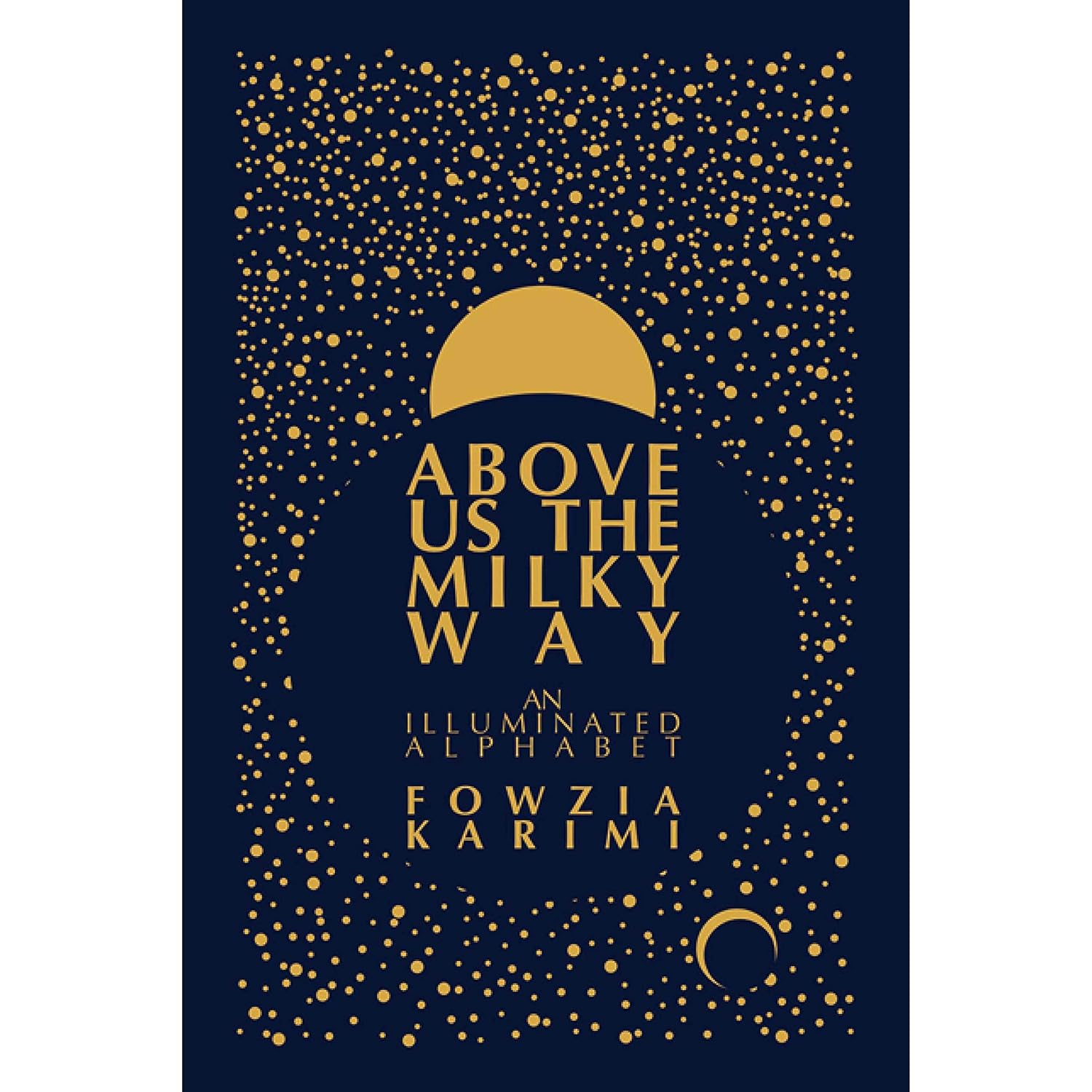
Above Us the Milky Way
Above Us the Milky Way is a story about war, immigration, and the remarkable human capacity to create beauty out of horror. As a young family attempts to reconstruct their lives in a new and peaceful country, they are daily drawn back to the first land through remembrance and longing, by news of the continued suffering and loss of loved ones, and by the war dead, who have immigrated and reside with them, haunting their days and illuminating the small joys and wonders offered them by the new land.
The novel's structure is built around the alphabet, twenty-six pieces written in the first person that sketch a through-line of memory for the lives of the five daughters, mother, and father. Ghost stories and fairytales are woven with old family photographs and medieval-style watercolor illuminations to create an origin story of loss and remembrance.
Afghanistan
2020
10
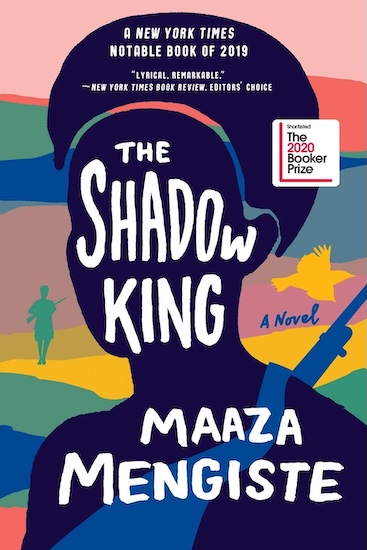
The Shadow King
Ethiopia, 1935. As Mussolini’s Italian army prepares to invade, Hirut, a recently orphaned young woman, struggles to survive in the household of Kidane, an officer in Emperor Haile Selassie’s army. When war erupts, Hirut and other Ethiopian women refuse to remain on the sidelines, limited to nursing the wounded and burying the dead. They want to fight for their country, but their courage must overcome not only the invading army but also the expectations of a society that rarely recognises women’s strength.
When the emperor is forced into exile, Hirut devises an extraordinary plan to restore hope: she helps disguise a humble peasant as the emperor and becomes his personal guard. Meanwhile, Ettore, a Jewish Italian photographer serving with the invading forces, struggles with his own conscience as he witnesses the brutality of the occupation. Moving between the perspectives of soldiers, civilians, and women on the battlefield, The Shadow King reclaims a neglected chapter of Ethiopian history. It is a powerful exploration of resistance, sacrifice, and the women whose contributions to war have too often been erased.
Ethiopia
2019
11
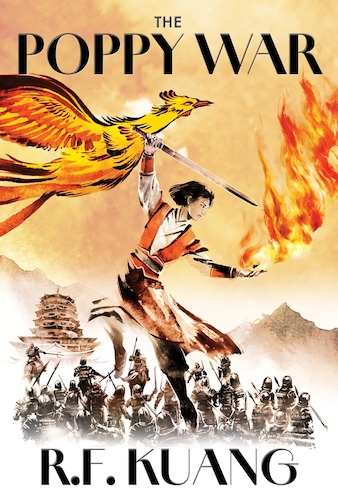
The Poppy War
An orphan from a poor southern province. An elite military academy. A power that could destroy an empire.
When Rin unexpectedly earns a place at Sinegard, the Nikara Empire’s most prestigious military academy, she believes she has finally escaped a future of poverty and forced marriage. But prejudice, relentless training, and the discovery of her extraordinary shamanic abilities soon push her into a world far more dangerous than she imagined. As war threatens to engulf the empire, Rin discovers that the gods are real—and that the power they offer comes at a terrible price. Inspired by twentieth-century Chinese history, particularly the Second Sino-Japanese War, this dark and uncompromising fantasy explores the brutal realities of warfare, the seduction of vengeance, and the devastating consequences of power. Rin must decide what she is willing to sacrifice to protect her people—and what remains of her humanity when survival demands unimaginable choices.
China
2019
12
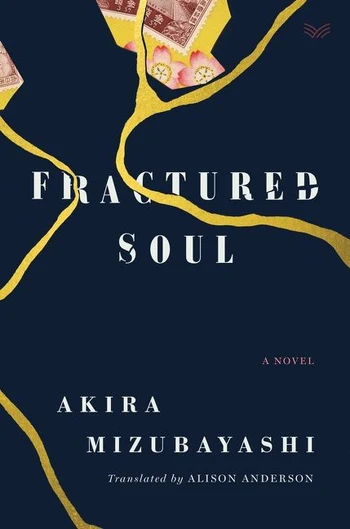
Fractured Soul
Tokyo, 1938. During a private musical gathering, military police burst in and arrest Yu, a Japanese musician whose love of Western classical music has drawn suspicion. His young son, Rei, witnesses the destruction of his father’s violin and the sudden collapse of their family. With the help of a compassionate stranger, Rei escapes to France, carrying the fragments of the broken instrument. Decades later, now living in Paris as a violin maker, he dedicates himself to restoring damaged instruments—but the wounds of his childhood remain unresolved. When a young violinist unexpectedly reconnects him with his past, the broken violin becomes a symbol of memory, loss, and the possibility of healing. Moving between Japan and France, Fractured Soul explores the enduring power of music to transcend political violence and bring people together across generations. It is a poignant story about what war destroys, what art preserves, and how beauty can emerge from the deepest suffering.
Japan
2019
About this theme
- Books
- 71
- Countries
- 43
Countries with this theme
Afghanistan
Asia
Algeria
Africa
Armenia
Asia
Bangladesh
Asia
Benin
Africa
Bosnia and Herzegovina
Europe
Cambodia
Asia
Canada
North America
China
Asia
Congo, Democratic Republic
Africa
Côte d’Ivoire (Ivory Coast)
Africa
Croatia
Europe
Cyprus
Asia
Ethiopia
Africa
France
Europe
Germany
Europe
Greece
Europe
Indonesia
Asia
Iraq
Asia
Japan
Asia
Kenya
Africa
Lebanon
Asia
Malaysia
Asia
Mexico
North America
Myanmar
Asia
Netherlands
Europe
Nigeria
Africa
North Korea
Asia
Pakistan
Asia
Palestine
Asia
Russia
Europe
Rwanda
Africa
Senegal
Africa
South Korea
Asia
Sri Lanka
Asia
Syria
Asia
Tanzania
Africa
Türkiye
Asia
Ukraine
Europe
United Kingdom
Europe
United States
North America
Vietnam
Asia
Yemen
Asia