Spirituality & Faith
Journeys of faith, meaning, and transcendence.
All countries
Argentina
Austria
Bhutan
Brazil
Colombia
Denmark
Djibouti
Germany
Japan
Lebanon
Nigeria
Poland
Portugal
Rwanda
Sudan
United Kingdom
United States
Uzbekistan
1
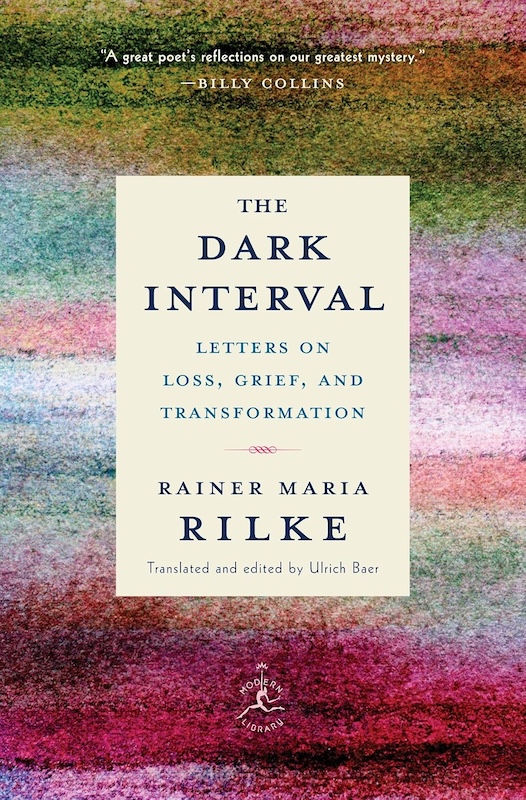
The Dark Interval
Gleaned from Rainer Maria Rilke's voluminous, never-before-translated letters to bereaved friends and acquaintances, The Dark Interval is a profound vision of the mourning process and a meditation on death's place in our lives. Following the format of Letters to a Young Poet, this book arranges Rilke's letters into an uninterrupted sequence, showcasing the full range of the great author's thoughts on death and dying, as well as his sensitive and moving expressions of consolation and condolence. Presented with care and authority by master translator Ulrich Baer, The Dark Interval is a literary treasure, an indispensable resource for anyone searching for solace, comfort, and meaning in a time of grief.
Austria
2018
2
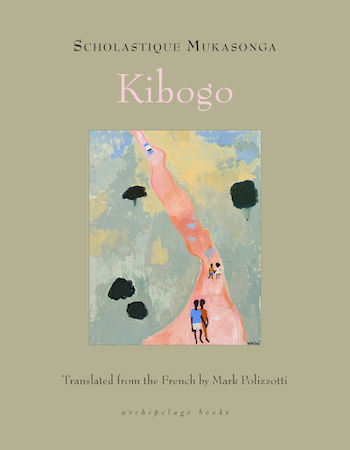
Kibogo
When drought devastates a Rwandan village during the 1940s, its people turn to an ancient legend: Kibogo, a mythical prince who sacrificed himself to bring rain to his suffering people. But the villagers now live under Belgian colonial rule, where Christian missionaries insist that salvation can come only through their faith. As famine deepens, traditional beliefs collide with European Christianity, and the boundaries between religious devotion, political power, and superstition become increasingly blurred. A young seminarian begins reinterpreting biblical stories through Rwandan mythology, while an elderly priestess preserves the spiritual traditions that missionaries seek to erase. Told through four interconnected stories, Scholastique Mukasonga’s novel combines folklore, sharp satire, and historical reflection to explore how a community protects its identity under colonial domination. Both playful and profound, Kibogo celebrates the resilience of oral storytelling and asks who has the authority to define truth, faith, and the stories a people pass on to future generations.
Rwanda
2022
3
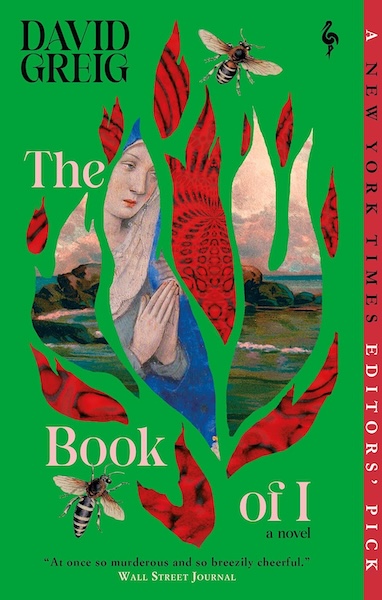
The Book of I
In the year 825, a Viking raid leaves a remote Scottish island littered with the dead. Only three unlikely survivors remain: Martin, a young monk who escaped the massacre; Una, a beekeeper and mead maker freed from her abusive husband by the violence; and Grimur, an ageing Viking who survives being buried alive by his own companions.
Stranded together on an island where trust seems impossible, the three begin building an unexpected life. Martin clings to his Christian faith, Una finds freedom in the rhythms of nature, and Grimur discovers that peace may offer something the battlefield never could. But can a fragile community survive when its members come from opposing worlds—and when the past refuses to stay buried?
Set against the wild beauty of the Scottish coast, The Book of I blends brutal history with irreverent humour and surprising tenderness. David Greig explores faith, guilt, redemption, and the possibility of finding family in the most unlikely places. It is a story about what remains after destruction—and whether people who once stood on opposite sides can learn to live together.
United Kingdom
2025
4
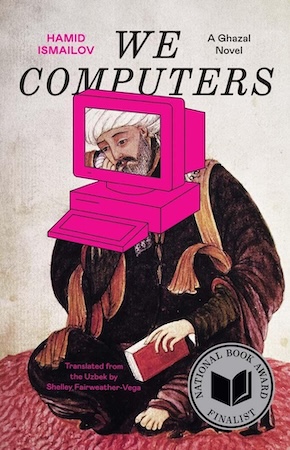
We Computers: A Ghazal Novel
Set in the late 1980s, We Computers follows Jon-Perse, a French poet and psychologist who becomes fascinated by the possibilities of computer technology. With the help of his Uzbek translator, Abdulhamid Ismail, he develops a program designed to analyze and generate poetry. Yet the machine’s literary experiments open doors to worlds far beyond its code, weaving together philosophy, history, mysticism, and human longing.
Drawing on the Persian poet Hafez, Sufi literature, French surrealism, and Central Asian storytelling, Hamid Ismailov creates an unconventional novel that moves through ideas and narratives like a literary labyrinth. Inspired by the ghazal—a poetic form traditionally associated with love and longing—the book explores the boundaries between human creativity and artificial intelligence, questioning who can claim authorship and whether literature can transcend the limits of its creator. It is a playful, intellectually adventurous meditation on poetry’s ability to connect cultures and centuries.
Uzbekistan
2025
5
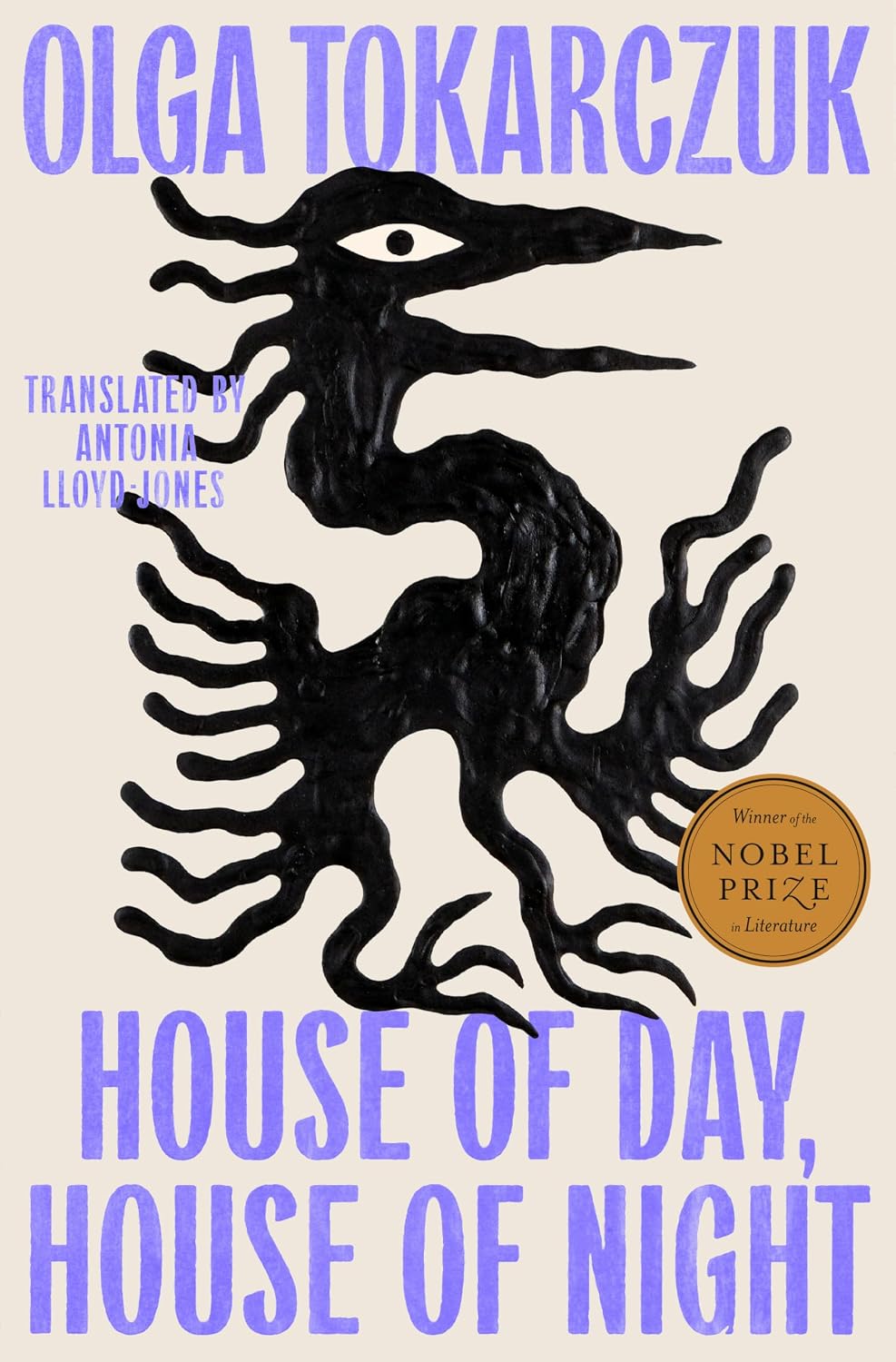
House of Day, House of Night
House of Day, House of Night is a fragmentary, dreamlike novel set in a small village near the Polish-Czech border, where everyday life intertwines with folklore, history, dreams, and the supernatural. Through a series of interconnected stories, memories, recipes, local legends, and reflections, Olga Tokarczuk explores the lives of the village’s inhabitants and the mysterious forces that shape their existence. The narrative moves between past and present, blending the ordinary with the uncanny and revealing how individual lives become woven into a larger tapestry of collective memory. Among its recurring subjects are the boundaries between life and death, the fluidity of identity, the relationship between humans and nature, and the spiritual dimensions of seemingly mundane experiences. Rather than following a conventional plot, Tokarczuk creates a mosaic of voices and perspectives that invites readers to discover connections between seemingly unrelated events. The novel transforms a remote borderland into a place where personal stories, forgotten histories, and myth coexist, questioning the limits of rational understanding and the nature of belonging.
Poland
2025
6
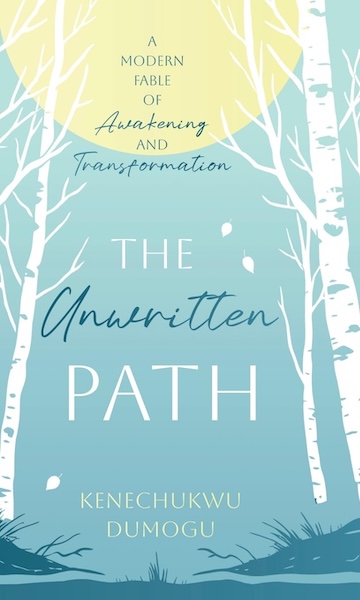
The Unwritten Path: A Modern Fable of Awakening and Transformation
What if the answers we spend our lives searching for are already within us? In this contemplative fable, Sam embarks on an inward journey through symbolic landscapes where the hidden forces shaping human existence take on physical form. Along the way, he encounters Fear, Obligation, Control, Comparison, Perfection, and Desire, each revealing how deeply our identities are shaped by expectations, attachments, and the need to prove ourselves. Rather than offering battles to win or problems to conquer, these encounters invite Sam to understand the patterns that govern his life and discover the stillness beneath them. Blending lyrical storytelling, allegory, and spiritual reflection, The Unwritten Path explores the possibility of freedom through self-awareness, surrender, and the recognition that what we seek may never have been lost.
Nigeria
2026
7
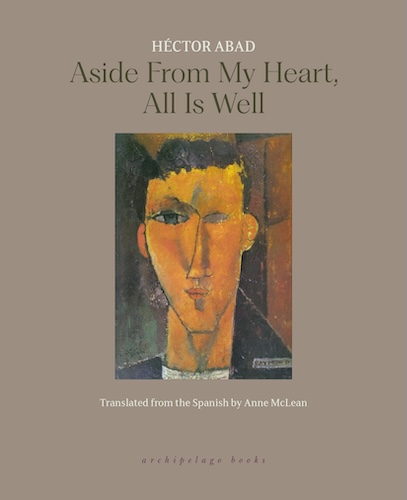
Aside From My Heart, All Is Well
Can a man devoted to God still hunger for everything life has to offer? Luis Córdoba is a Colombian Catholic priest with an extraordinary appetite for art, music, food, and human connection. A passionate film critic and opera enthusiast, he has built a life rich in intellectual pleasures and friendships. But when a serious heart condition leaves him waiting for a transplant, he must abandon his familiar home and move in with a female friend and her children. Surrounded by the unpredictable warmth of family life, Luis begins to reconsider the boundaries between faith and desire, duty and happiness, solitude and belonging. Narrated by his closest friend, fellow priest Aurelio Sánchez, the novel blends affection, humour, and melancholy into a tender portrait of a man confronting his mortality. Inspired by a real Colombian priest and film critic, this moving story celebrates the beauty of ordinary pleasures and the connections that make life worth living.
Colombia
2026
8
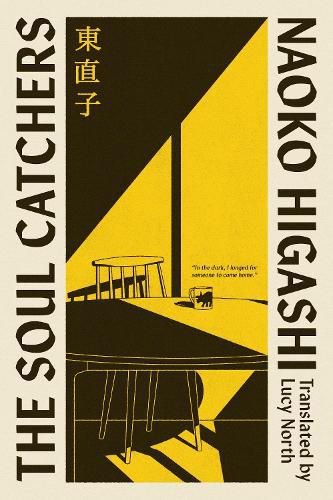
The Soul Catchers
What if, after death, you were given one final chance to remain close to the people you love? In The Soul Catchers, eleven recently deceased people encounter a mysterious, nameless spirit who offers them an unusual opportunity: they can return to the world of the living by inhabiting an object cherished by someone they left behind. A treasured mug, a mother’s hearing aid, a diary, or a playground climbing frame becomes a vessel through which the departed can continue to experience fragments of the lives they once knew.
Through these intimate encounters, Naoko Higashi explores the quiet, complicated emotions that accompany love and loss. Each story offers a different perspective on the bonds that connect people across generations, even when death has made ordinary communication impossible. Blending magical realism with elements of Japanese folk beliefs about spirits and the presence of souls in everyday objects, this tender, gently humorous collection reflects on grief, memory, and the difficulty of letting go. It invites readers to reconsider the meaning of presence and suggests that love can endure in the smallest, most unexpected corners of our lives.
Japan
2026
9
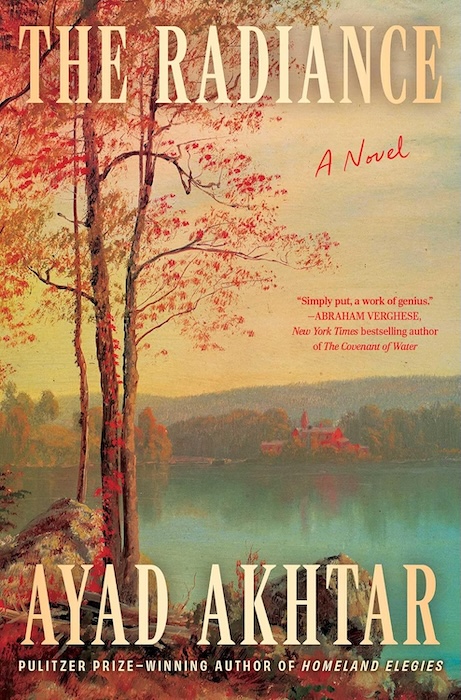
The Radiance
The Radiance is a literary novel that explores spiritual awakening, personal identity, and the search for meaning in a fractured contemporary world. The story follows a writer whose life is transformed by a near-fatal hit-and-run accident on a country road. As he struggles to understand what happened, he experiences an unsettling spiritual awakening that blurs the boundary between revelation and madness.
Drawn toward a brilliant colleague at a university, the narrator becomes entangled in an intense relationship and a scandal that threatens to destroy them both. As the investigation into his accident unfolds, buried family secrets emerge, forcing him to confront questions about memory, faith, desire, and his own understanding of reality.
Moving between rural America and Europe, and exploring the intersections of Islam and Christianity, Akhtar examines the tensions between personal belief and public life. Blending psychological suspense with philosophical reflection, the novel asks whether moments of profound disruption can reveal something meaningful about existence, even when the truth remains uncertain.
United States
2026
About this theme
- Books
- 21
- Countries
- 18
Countries with this theme
Argentina
South America
Austria
Europe
Bhutan
Asia
Brazil
South America
Colombia
South America
Denmark
Europe
Djibouti
Africa
Germany
Europe
Japan
Asia
Lebanon
Asia
Nigeria
Africa
Poland
Europe
Portugal
Europe
Rwanda
Africa
Sudan
Africa
United Kingdom
Europe
United States
North America
Uzbekistan
Asia