Revolution & Change
Accounts of upheaval, social change, and new beginnings.
1
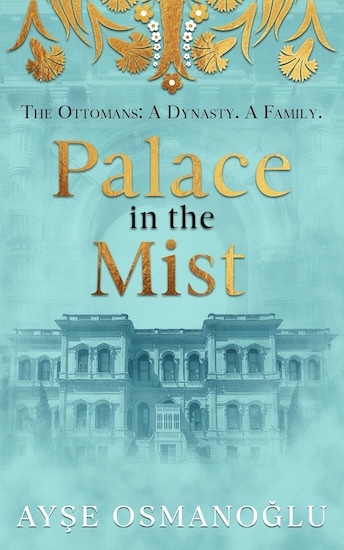
Palace in the Mist
Istanbul, 1906. The Ottoman Empire stands on the brink of transformation as political conspiracies and revolutionary movements threaten centuries of imperial rule. Behind the walls of Yıldız Palace, Sultan Abdülhamid II struggles to preserve his authority, while in Macedonia, a young Ottoman officer must choose between loyalty to the Sultan and his secret commitment to the Young Turk movement. Meanwhile, Prince Selahaddin and his family long for freedom within their gilded confinement. As revolution gathers momentum, personal loyalties collide with political ambition, and the fate of an empire becomes inseparable from the lives of those born to rule it. Drawing on family memories and historical research, Ayşe Osmanoğlu brings the twilight of the Ottoman dynasty to life through an intimate portrait of family, duty, and upheaval.
Türkiye
2026
2
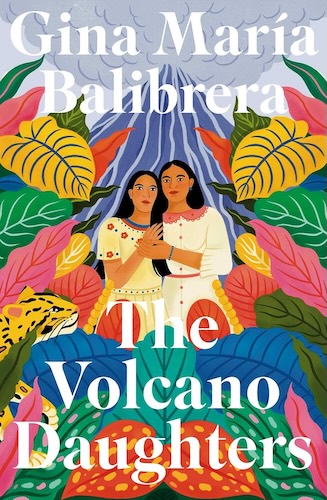
The Volcano Daughters
El Salvador, 1923. Two sisters, separated by family secrets and raised in the shadow of a ruthless dictator, are destined for lives neither could have imagined. Graciela, a young Indigenous girl with the ability to foresee the future, is summoned to the capital to serve a rising tyrant. There, she discovers Consuelo, the sister stolen from her family years earlier. As the regime’s violence escalates and genocide devastates their Indigenous community, the sisters flee separately, each believing the other is dead. Their journeys take them from Hollywood to Paris and San Francisco, pursued by the ghosts of murdered friends whose stories refuse to be forgotten. Blending history, mythology, and magical realism, this haunting novel explores sisterhood, cultural memory, and the power of those silenced by history to reclaim their voices.
El Salvador
2025
3
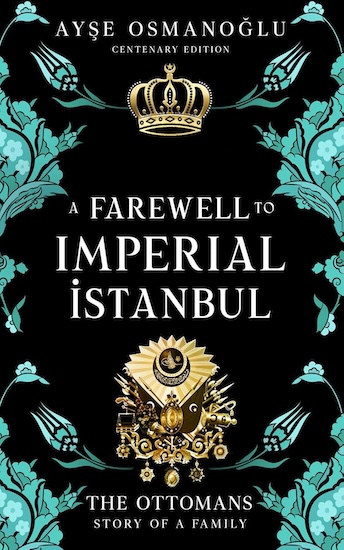
A Farewell To Imperial Istanbul
Istanbul, 1922. The Ottoman Empire is collapsing, and the imperial family faces the loss of the world they have known for centuries. As the Turkish nationalist movement brings an end to the Sultanate, Prince Nihad struggles to protect his family and preserve the legacy of a fading dynasty. His son, Prince Vâsıb, dreams of a future in which Istanbul can recover its freedom from foreign occupation. Against a backdrop of political upheaval, personal sacrifice, and a city caught between empires and a new republic, Ayşe Osmanoğlu tells a moving story of family loyalty, displacement, and the painful end of an era. Inspired by her own imperial heritage, this historical novel brings the final days of Ottoman Istanbul vividly to life.
Türkiye
2024
4
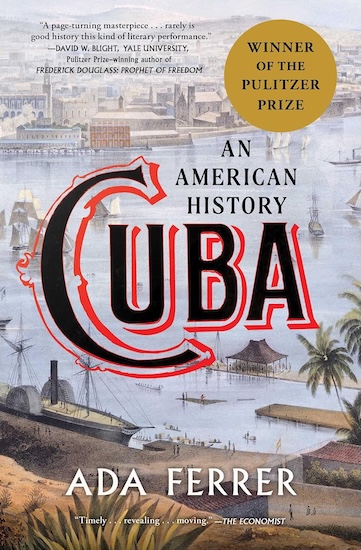
Cuba: An American History
Cuba’s history is inseparable from that of the United States, yet the island’s story is often told through the ambitions of its powerful neighbour. Spanning more than five centuries, Ada Ferrer’s Pulitzer Prize-winning history traces Cuba from Indigenous societies and Spanish colonisation through slavery, independence struggles, revolution, and the Cold War. Bringing together the lives of enslaved people, revolutionaries, ordinary citizens, and political leaders, Ferrer reveals how Cuba shaped American politics just as American intervention transformed Cuba. Richly researched and deeply human, this sweeping account challenges familiar narratives of empire and nationhood, illuminating the complex relationship between two countries whose histories remain profoundly intertwined.
Cuba
2022
5
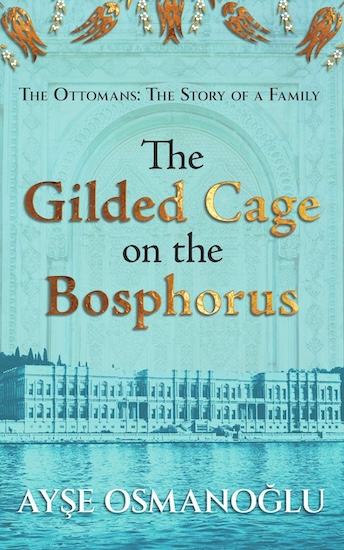
The Gilded Cage on the Bosphorus
Istanbul, 1903. Behind the guarded walls of Çırağan Palace, former Sultan Murad V and his family have spent nearly three decades in enforced confinement, prisoners of the very dynasty they belong to. As political unrest spreads and revolution threatens the Ottoman Empire, Murad fears for the future of his children and grandchildren. He dreams of their freedom, happiness, and the chance to build lives beyond the palace walls. But dangerous political plots, assassination attempts, and family scandals threaten to destroy everything he holds dear. Drawing on the history of her own imperial family, Ayşe Osmanoğlu brings the final decades of Ottoman rule to life in a richly detailed novel about family loyalty, sacrifice, and the price of power.
Türkiye
2020
6
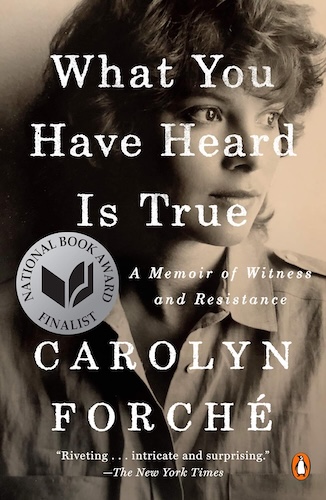
What You Have Heard Is True
In 1970s El Salvador, a young American poet is drawn into a country on the brink of civil war. When the enigmatic Leonel Gómez Vides invites twenty-seven-year-old Carolyn Forché to witness his homeland, she encounters military repression, impoverished communities, courageous clergy, and people risking their lives to resist injustice. As violence escalates and death squads hunt their opponents, Forché’s journey becomes a profound political and personal awakening. Part memoir, part testimony, this lyrical account explores the moral responsibility of bearing witness—and how confronting human suffering can transform the way we see the world. A finalist for the 2019 National Book Award, it is a powerful reflection on empathy, resistance, and the courage to speak when silence is easier.
El Salvador
2020
7
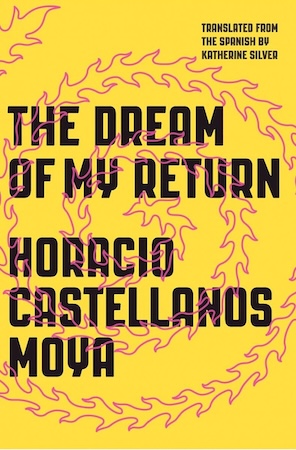
The Dream of My Return
El Salvador’s civil war is nearing its end, and exiled journalist Erasmo Aragón is preparing to return home after years in Mexico. Hoping to start a new life, he also wants to escape his troubled marriage and the anxieties that have consumed him. But when a doctor prescribes hypnosis to treat his persistent liver pain, Erasmo becomes obsessed with the memories and secrets buried in his subconscious. Haunted by political violence, uncertain recollections, and increasingly paranoid suspicions, he begins to lose his grip on reality. Darkly comic and psychologically unsettling, this novel explores exile, memory, and the complicated longing to return to a homeland transformed by violence.
El Salvador
2015
8
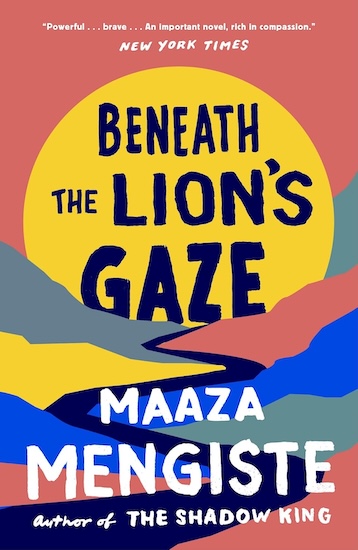
Beneath the Lion's Gaze
Addis Ababa, 1974. As protests sweep Ethiopia and Emperor Haile Selassie’s reign approaches its end, the Hailu family finds itself caught in a revolution that will transform the country—and destroy the fragile security of their lives. Hailu, a respected doctor, faces an impossible moral choice after helping a young woman who has been tortured by the authorities. His decision brings him into the machinery of state repression, while his sons take increasingly different paths: Yonas seeks refuge in faith and family, whereas Dawit joins the underground resistance, risking everything to fight for freedom.
As the monarchy falls and a brutal military regime takes power, the family’s loyalties, convictions, and relationships are tested by violence and fear. Moving between the intimate struggles of a household and the upheaval of a nation, Maaza Mengiste’s debut novel explores the human cost of revolution and the difficult choices people face under authoritarian rule. It is a powerful portrait of a country at a turning point, where the hope of liberation threatens to give way to another cycle of oppression.
Ethiopia
2010
9
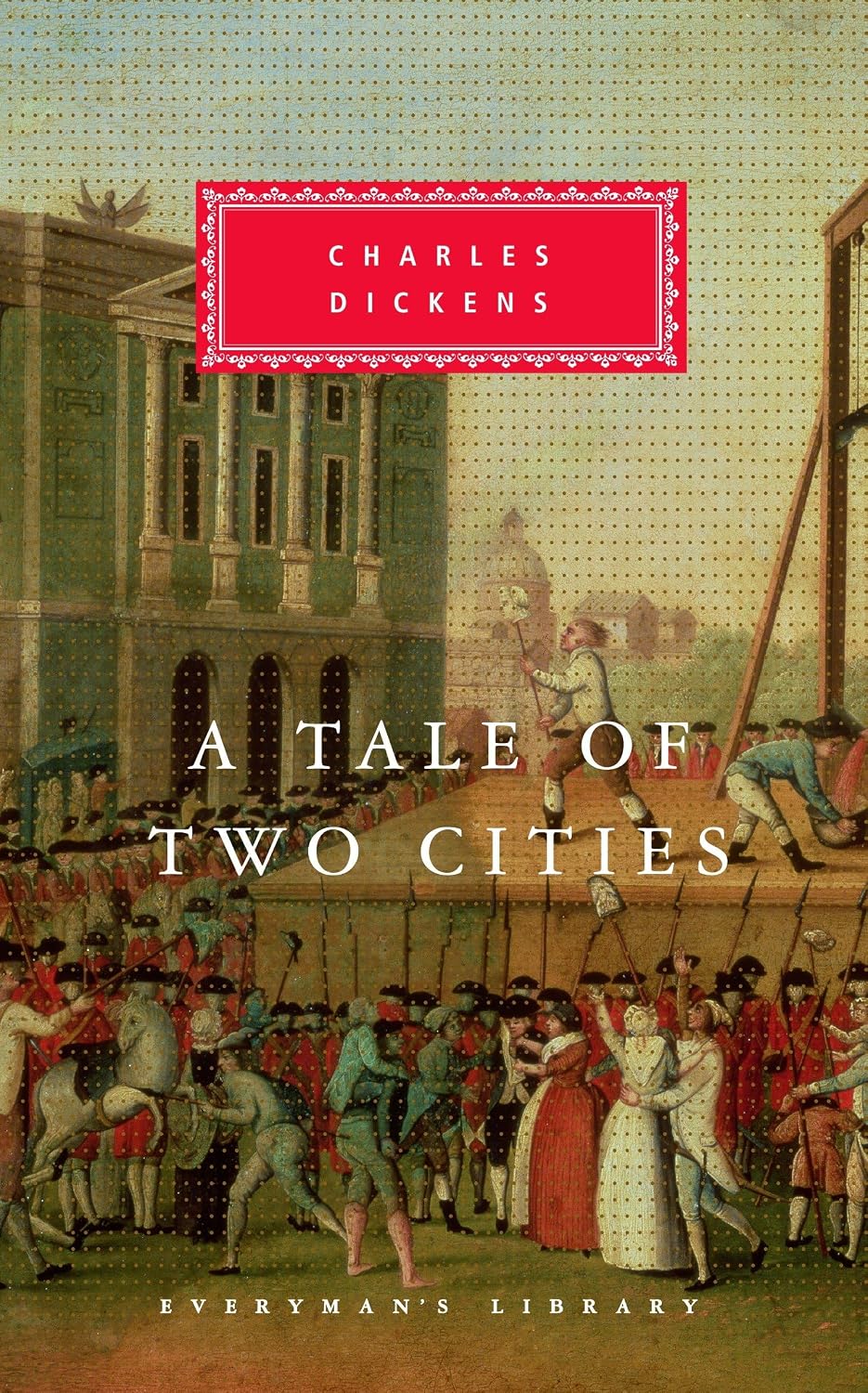
A Tale of Two Cities
A Tale of Two Cities unfolds in London and Paris during the years leading up to and throughout the French Revolution. The story follows Charles Darnay, a French aristocrat who rejects his family’s oppressive traditions, and Sydney Carton, a disillusioned English lawyer whose life appears to lack purpose. Both men love Lucie Manette, whose father has been released after years of imprisonment in the Bastille. As revolutionary violence spreads across France, Darnay’s aristocratic origins place him in danger despite his rejection of inherited privilege. Carton eventually faces a choice that transforms his life and gives the novel its powerful conclusion. Dickens examines injustice, class resentment, political extremism, and the possibility of personal redemption. The novel portrays how cruelty can generate further violence while suggesting that courage and self-sacrifice can preserve humanity in times of upheaval.
United Kingdom
1859
About this theme
- Books
- 9
- Countries
- 5
Countries with this theme
Cuba
North America
El Salvador
North America
Ethiopia
Africa
Türkiye
Asia
United Kingdom
Europe