Nature & Landscape
Writing rooted in landscape, wilderness, and the natural world.
All countries
Finland
Iceland
India
Iraq
Ireland
Kazakhstan
Nigeria
Oman
Palestine
Poland
Switzerland
Thailand
Turkmenistan
United Kingdom
United States
1
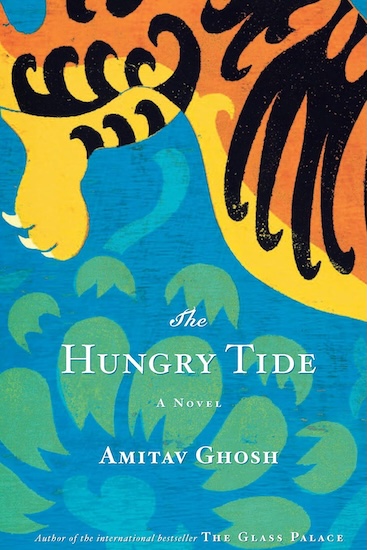
The Hungry Tide
Set in the Sundarbans, a vast archipelago of mangrove forests and tidal rivers on the eastern coast of India, The Hungry Tide brings together three people from different worlds. Piya Roy, an American marine biologist of Indian descent, arrives to study the endangered Irrawaddy dolphins. She meets Fokir, a local fisherman whose intimate knowledge of the waterways makes him an invaluable guide, and Kanai Dutt, a translator and businessman visiting his aunt on the islands. As their lives become intertwined, they encounter the region’s dangerous wildlife, political tensions, and precarious relationship between humans and nature. Through this richly layered story, Amitav Ghosh explores environmental conservation, cultural differences, displacement, and the struggle of vulnerable communities to survive in an unforgiving landscape. The novel examines the complex relationship between people and the natural world, questioning whether scientific knowledge, local traditions, and human ambition can coexist.
India
2004
2
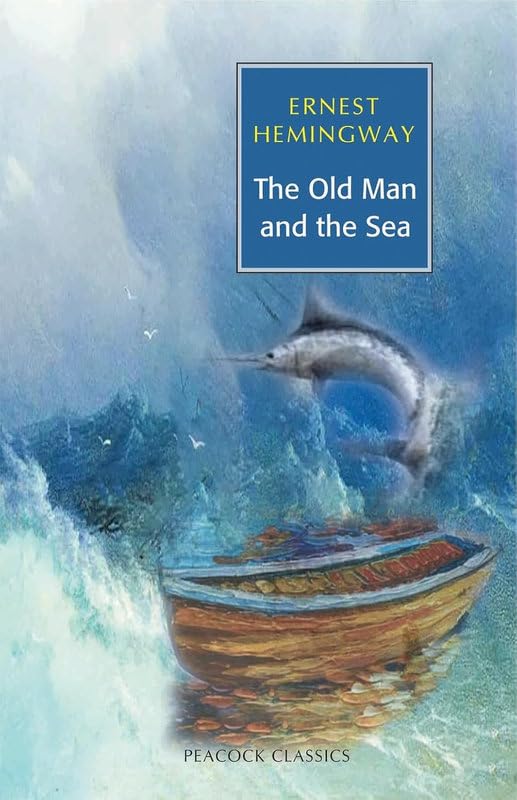
The Old Man and the Sea
The Old Man and the Sea follows Santiago, an ageing Cuban fisherman who has gone eighty-four days without catching a fish. Determined to prove that he has not lost his skill, he sails far into the Gulf Stream, where he hooks an enormous marlin. The fish pulls his small boat across the sea for days, forcing Santiago to endure exhaustion, pain, and loneliness as he struggles to bring his catch home. His battle becomes a test of endurance and respect between human being and animal. Although he eventually succeeds in killing the marlin, sharks destroy much of his prize during the journey back. Hemingway explores perseverance, dignity, and the relationship between humanity and nature. Santiago’s struggle suggests that success cannot always be measured by material results, as courage and the willingness to endure hardship may themselves represent a form of victory.
United States
1980
3
The Summer Book
The Summer Book follows Sophia, a young girl, and her grandmother as they spend the summer together on a tiny island in the Gulf of Finland. Living in a simple cottage surrounded by rocks, forests, and the sea, they fill their days with conversations, explorations, small adventures, and moments of quiet reflection. Sophia is curious and sometimes stubborn, while her grandmother is wise, playful, and increasingly aware of her own mortality. Their relationship unfolds through a series of loosely connected episodes that capture the rhythms of island life.
Through their exchanges, Tove Jansson explores childhood, ageing, grief, freedom, and humanity’s relationship with the natural world. The island becomes a place where ordinary experiences reveal deeper truths about life, while the changing sea and weather mirror the characters’ shifting emotions. Gentle, humorous, and contemplative, the novel celebrates the beauty of everyday moments and the bonds that connect generations. Beneath its simplicity lies a profound meditation on impermanence, solitude, and the comfort of being close to nature.
Finland
1972
4
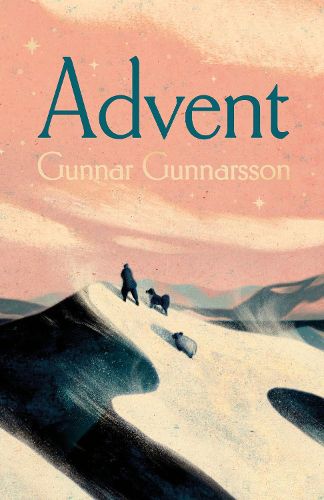
Advent
Every winter, in the days leading up to Christmas, Benedikt, a humble Icelandic shepherd, ventures into the mountains to rescue sheep stranded in the snow. Accompanied by his faithful dog and a stubborn old ram, he travels through a landscape of blizzards, frozen valleys and treacherous mountain passes, driven by a deep sense of responsibility toward vulnerable living creatures. His annual journey is physically demanding and potentially fatal, yet Benedikt accepts its hardships as an essential part of his life. Against the vastness and brutality of Iceland’s winter wilderness, his quiet determination becomes an extraordinary expression of compassion, humility and spiritual devotion. Blending the simplicity of a fable with vivid descriptions of the natural world, Gunnarsson creates a meditation on human endurance and the relationship between people and nature. Advent is both a portrait of an individual guided by kindness and a celebration of the profound peace that can be found in a life devoted to helping others.
Iceland
1940
5
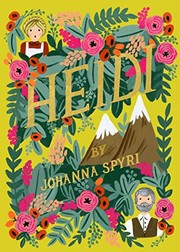
Heidi (Puffin in Bloom)
Heidi tells the story of a young orphaned girl who is sent to live with her reclusive grandfather in a small Alpine village in Switzerland. Initially unfamiliar with her new surroundings, Heidi soon develops a deep affection for her grandfather and the breathtaking mountain landscape. She befriends Peter, a young goatherd, and discovers the joys of life outdoors, surrounded by wildflowers, fresh air, and mountain animals. However, her happiness is interrupted when she is taken to Frankfurt to serve as a companion to Clara, a wealthy girl who cannot walk. Although Heidi struggles with homesickness, her warmth and kindness bring joy to those around her. Through themes of friendship, compassion, and the healing power of nature, Johanna Spyri celebrates the importance of belonging, simple pleasures, and the emotional connection between people and their environment.
Switzerland
1881
About this theme
- Books
- 17
- Countries
- 15