Nature & Landscape
Writing rooted in landscape, wilderness, and the natural world.
All countries
Finland
Iceland
India
Iraq
Ireland
Kazakhstan
Nigeria
Oman
Palestine
Poland
Switzerland
Thailand
Turkmenistan
United Kingdom
United States
1
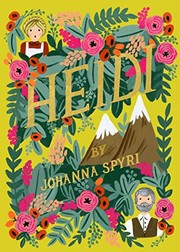
Heidi (Puffin in Bloom)
Heidi tells the story of a young orphaned girl who is sent to live with her reclusive grandfather in a small Alpine village in Switzerland. Initially unfamiliar with her new surroundings, Heidi soon develops a deep affection for her grandfather and the breathtaking mountain landscape. She befriends Peter, a young goatherd, and discovers the joys of life outdoors, surrounded by wildflowers, fresh air, and mountain animals. However, her happiness is interrupted when she is taken to Frankfurt to serve as a companion to Clara, a wealthy girl who cannot walk. Although Heidi struggles with homesickness, her warmth and kindness bring joy to those around her. Through themes of friendship, compassion, and the healing power of nature, Johanna Spyri celebrates the importance of belonging, simple pleasures, and the emotional connection between people and their environment.
Switzerland
1881
2
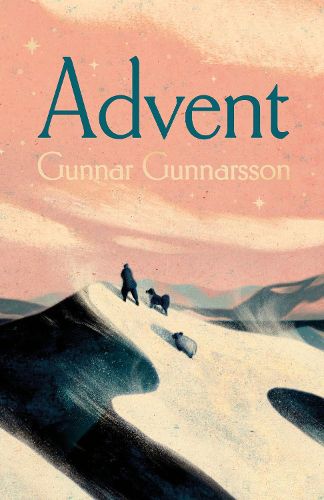
Advent
Every winter, in the days leading up to Christmas, Benedikt, a humble Icelandic shepherd, ventures into the mountains to rescue sheep stranded in the snow. Accompanied by his faithful dog and a stubborn old ram, he travels through a landscape of blizzards, frozen valleys and treacherous mountain passes, driven by a deep sense of responsibility toward vulnerable living creatures. His annual journey is physically demanding and potentially fatal, yet Benedikt accepts its hardships as an essential part of his life. Against the vastness and brutality of Iceland’s winter wilderness, his quiet determination becomes an extraordinary expression of compassion, humility and spiritual devotion. Blending the simplicity of a fable with vivid descriptions of the natural world, Gunnarsson creates a meditation on human endurance and the relationship between people and nature. Advent is both a portrait of an individual guided by kindness and a celebration of the profound peace that can be found in a life devoted to helping others.
Iceland
1940
3
The Summer Book
The Summer Book follows Sophia, a young girl, and her grandmother as they spend the summer together on a tiny island in the Gulf of Finland. Living in a simple cottage surrounded by rocks, forests, and the sea, they fill their days with conversations, explorations, small adventures, and moments of quiet reflection. Sophia is curious and sometimes stubborn, while her grandmother is wise, playful, and increasingly aware of her own mortality. Their relationship unfolds through a series of loosely connected episodes that capture the rhythms of island life.
Through their exchanges, Tove Jansson explores childhood, ageing, grief, freedom, and humanity’s relationship with the natural world. The island becomes a place where ordinary experiences reveal deeper truths about life, while the changing sea and weather mirror the characters’ shifting emotions. Gentle, humorous, and contemplative, the novel celebrates the beauty of everyday moments and the bonds that connect generations. Beneath its simplicity lies a profound meditation on impermanence, solitude, and the comfort of being close to nature.
Finland
1972
4
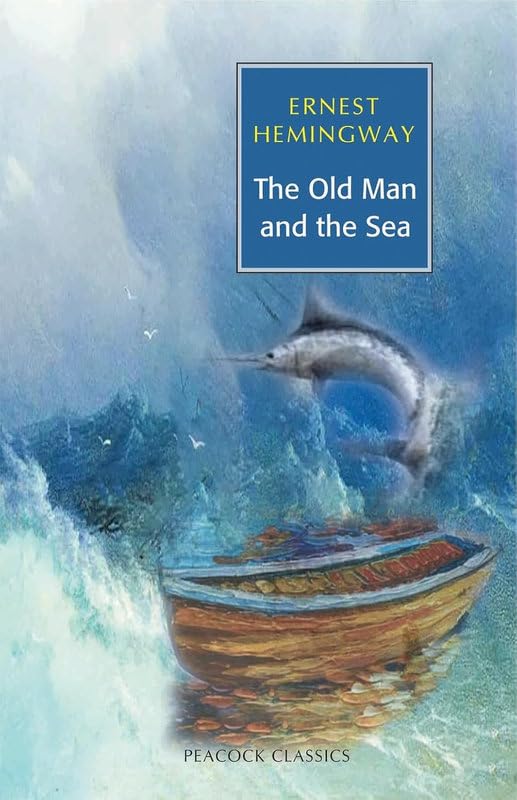
The Old Man and the Sea
The Old Man and the Sea follows Santiago, an ageing Cuban fisherman who has gone eighty-four days without catching a fish. Determined to prove that he has not lost his skill, he sails far into the Gulf Stream, where he hooks an enormous marlin. The fish pulls his small boat across the sea for days, forcing Santiago to endure exhaustion, pain, and loneliness as he struggles to bring his catch home. His battle becomes a test of endurance and respect between human being and animal. Although he eventually succeeds in killing the marlin, sharks destroy much of his prize during the journey back. Hemingway explores perseverance, dignity, and the relationship between humanity and nature. Santiago’s struggle suggests that success cannot always be measured by material results, as courage and the willingness to endure hardship may themselves represent a form of victory.
United States
1980
5
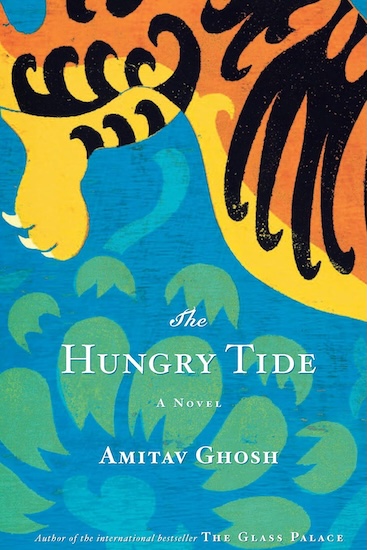
The Hungry Tide
Set in the Sundarbans, a vast archipelago of mangrove forests and tidal rivers on the eastern coast of India, The Hungry Tide brings together three people from different worlds. Piya Roy, an American marine biologist of Indian descent, arrives to study the endangered Irrawaddy dolphins. She meets Fokir, a local fisherman whose intimate knowledge of the waterways makes him an invaluable guide, and Kanai Dutt, a translator and businessman visiting his aunt on the islands. As their lives become intertwined, they encounter the region’s dangerous wildlife, political tensions, and precarious relationship between humans and nature. Through this richly layered story, Amitav Ghosh explores environmental conservation, cultural differences, displacement, and the struggle of vulnerable communities to survive in an unforgiving landscape. The novel examines the complex relationship between people and the natural world, questioning whether scientific knowledge, local traditions, and human ambition can coexist.
India
2004
6
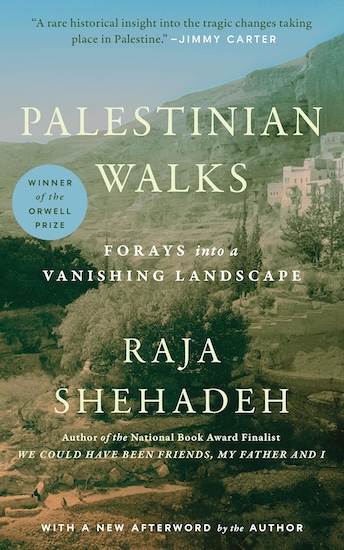
Palestinian Walks
Palestinian Walks is a lyrical memoir in which Palestinian lawyer and writer Raja Shehadeh recounts years of walking through the hills and valleys of the West Bank. Through six walks taken over several decades, Shehadeh explores a landscape he has known since childhood, documenting its natural beauty, ancient paths, wildflowers, and rocky hillsides. As he returns to familiar places, he witnesses how expanding settlements, roads, and political restrictions transform the countryside and limit access to land that once felt open and familiar. Combining personal reflection, nature writing, and historical observation, Shehadeh examines the relationship between landscape, memory, and belonging. His walks become both a way of reconnecting with the natural world and a means of understanding the changes reshaping Palestinian life. The book offers an intimate portrait of a threatened environment, revealing how the loss of familiar places can also mean the erosion of cultural memory, personal freedom, and a sense of home.
Palestine
2008
7
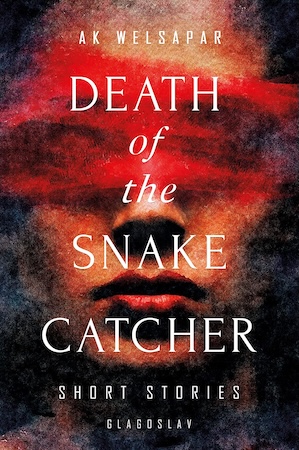
Death of the Snake Catcher
Set against the stark beauty of Central Asia, Death of the Snake Catcher is a collection of short stories by Turkmen writer Ak Welsapar, blending magical realism, folklore, political commentary, and intimate portraits of human life. The title story follows an elderly snake catcher who confronts a giant cobra in the heart of the desert. Their encounter becomes a symbolic dialogue about humanity’s relationship with the natural world, exploring the uneasy balance between fear, power, vulnerability, and survival. Elsewhere in the collection, Welsapar depicts lovers separated by political divisions, young people confronting injustice, and ordinary individuals navigating a world shaped by repression and uncertainty. His stories move between the mythical and the everyday, revealing the emotional richness of Turkmen culture while exposing the pressures faced by people living under authoritarian rule. Drawing on vivid landscapes and expressive storytelling, Welsapar portrays characters who endure hardship with remarkable resilience and optimism. The collection offers an unusual literary window into a country whose culture and experiences remain relatively unfamiliar to many international readers.
Turkmenistan
2018
8
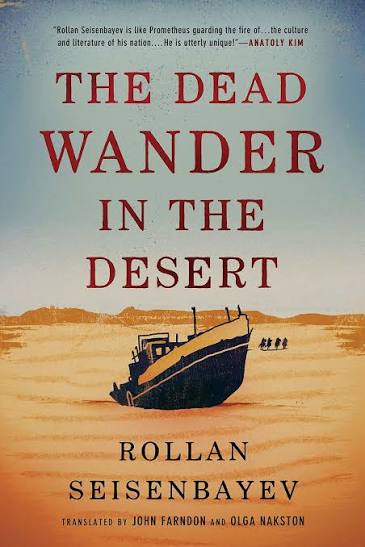
The Dead Wander in the Desert
Set on the vast steppes of Soviet Kazakhstan during the final decades of the USSR, The Dead Wander in the Desert tells the story of a community whose existence is threatened by the ecological destruction of the Aral Sea. Nasyr, an elderly fisherman who becomes a village mullah, watches as the waters that once sustained his people recede, leaving behind a barren landscape and a vanishing way of life. His son, Kakharman, challenges the authorities responsible for diverting the rivers that feed the sea to support ambitious agricultural projects, particularly cotton cultivation. But his struggle against the Soviet bureaucracy seems almost impossible.
Through the lives of a Kazakh family and their neighbors, Seisenbayev explores the devastating consequences of environmental mismanagement, political oppression, and the pursuit of progress at any cost. Blending social history, philosophical reflection, and the rhythms of traditional storytelling, the novel also recalls the wider tragedies endured by the Kazakh people under Soviet rule. Both an elegy for a disappearing world and a warning about humanity’s relationship with nature, it gives a deeply personal dimension to one of the twentieth century’s greatest environmental catastrophes.
Kazakhstan
2019
9
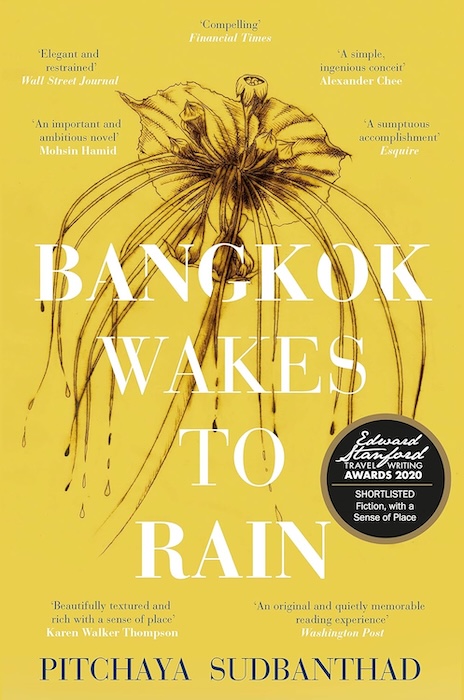
Bangkok Wakes to Rain
Bangkok Wakes to Rain weaves together the lives of people connected to a single house in Bangkok across different periods of Thai history. From a nineteenth-century missionary confronting unfamiliar beliefs to a contemporary musician navigating relationships and personal uncertainty, the novel explores how individual lives are shaped by a city constantly transformed by time, migration, and environmental change. As Bangkok expands and modernizes, recurring floods and rising waters reflect the city’s vulnerability to climate change and its complicated relationship with the natural world. Through interconnected stories that move between past, present, and imagined futures, Pitchaya Sudbanthad examines memory, colonial influence, cultural identity, and the impermanence of human existence. The novel presents Bangkok as a living, evolving character, revealing how personal histories and collective memories remain intertwined with the places people call home.
Thailand
2019
10

Drive Your Plow Over The Bones Of The Dead
Set in a remote Polish village near the Czech border, Drive Your Plow Over the Bones of the Dead follows Janina Duszejko, an eccentric older woman who lives in isolation, cares for summer houses, studies astrology, and feels a deep connection with animals and the natural world. When several men in the surrounding community die under mysterious circumstances, Janina develops her own theory about the killings, believing that the animals are taking revenge on those who have harmed them. However, the local authorities dismiss her ideas, partly because of her gender, age, and unconventional beliefs. As the investigation unfolds, the novel combines the structure of a murder mystery with philosophical reflections on justice, morality, and humanity’s relationship with other living creatures. Through dark humour and an unsettling narrative, Tokarczuk challenges assumptions about who deserves sympathy and whose suffering matters. The novel questions human dominance over nature and explores the blurred boundaries between justice, vengeance, and madness.
Poland
2020
11
Gun Island
In Gun Island, Amitav Ghosh follows Deen Datta, a Brooklyn-based Indian rare-book dealer whose fascination with an obscure Bengali legend leads him on an unexpected journey from Kolkata to the Sundarbans and Venice. As he investigates the story of a merchant who escaped the wrath of the snake goddess Manasa Devi, Deen encounters mysterious coincidences, ancient myths, and people whose lives have been transformed by migration and environmental upheaval. Along the way, he witnesses the devastating effects of climate change, including rising seas, extreme weather, and threats to vulnerable communities. Blending folklore, history, and contemporary fiction, Ghosh explores the connections between human migration, ecological crisis, and cultural memory, questioning whether ancient stories might offer new ways of understanding the environmental challenges of the modern world.
India
2020
12
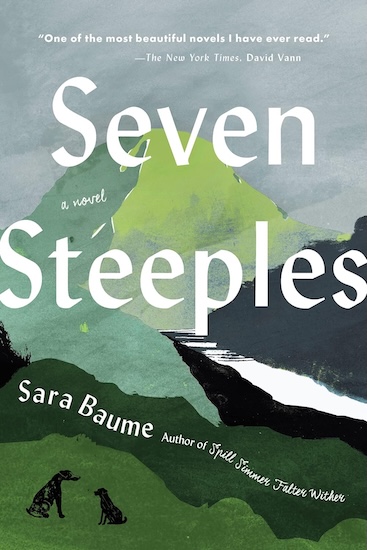
Seven Steeples
Bell and Sigh are a young couple who decide to abandon conventional life and retreat to a remote house in the Irish countryside with their dogs. Leaving behind the city, their friends, and their families, they build a quiet world of their own, shaped by daily rituals, changing seasons, and the rhythms of the natural landscape. Nearby stands a mountain they are told offers a view of seven standing stones, seven schools, and seven church steeples. They promise to climb it, but year after year, the mountain remains unconquered.
Spanning seven years, Seven Steeples follows the couple as their lives become increasingly intertwined with the land around them. With lyrical prose and a keen eye for the overlooked details of ordinary existence, Sara Baume explores solitude, intimacy, and the uneasy boundary between freedom and isolation. It is a contemplative novel about stepping away from society to discover what it means to build a life—and whether withdrawing from the world can ever truly bring us closer to ourselves.
Ireland
2022
About this theme
- Books
- 17
- Countries
- 15