Identity & Belonging
Explorations of self, belonging, and what it means to find your place.
All countries
Afghanistan
Albania
Algeria
Argentina
Azerbaijan
Barbados
Belgium
Bosnia and Herzegovina
Botswana
Brazil
Brunei
Bulgaria
Canada
Chile
China
Congo, Democratic Republic
Croatia
Cuba
Cyprus
Czech Republic
Denmark
Djibouti
Dominica
Dominican Republic
Ecuador
Egypt
France
Germany
Ghana
Greece
Guatemala
Iceland
India
Indonesia
Iran
Ireland
Italy
Jamaica
Japan
Kazakhstan
Kenya
Kuwait
Kyrgyzstan
Lebanon
Libya
Luxembourg
Mexico
Morocco
Netherlands
New Zealand
Nigeria
North Macedonia
Norway
Pakistan
Palestine
Panama
Russia
Rwanda
Singapore
Slovenia
Somalia
South Korea
Sudan
Sweden
Taiwan
Tanzania
Türkiye
Ukraine
United Kingdom
United States
Uzbekistan
Zimbabwe
1
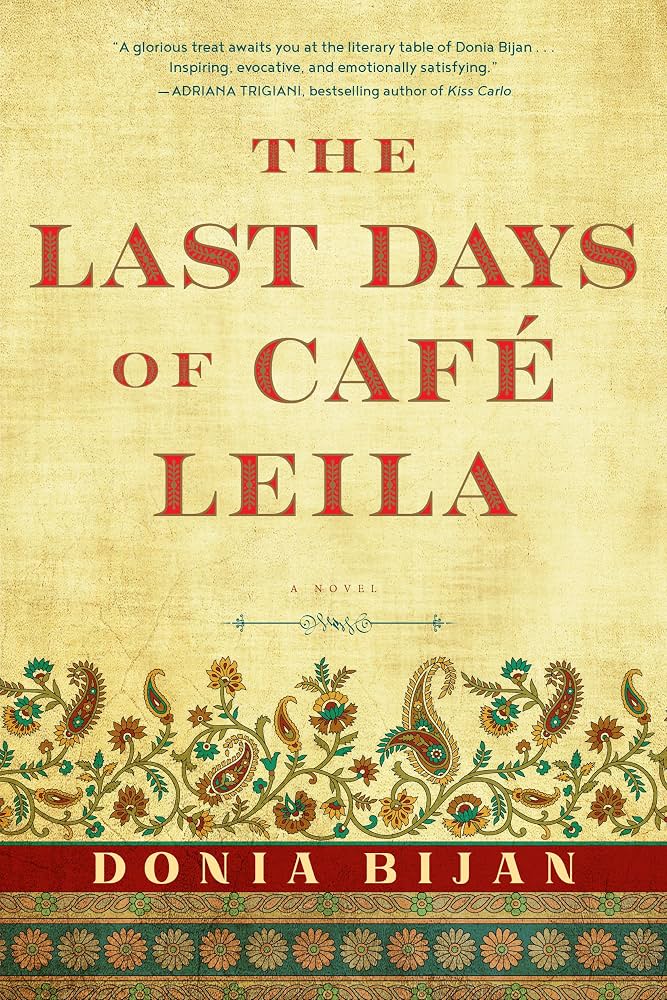
Last Days of Café Leila
The Last Days of Café Leila follows Noor, an Iranian-American woman who returns to Tehran with her young daughter, Lily, after years of living in the United States. She comes back to the family café, a beloved gathering place run by her father, Zod, whose cooking and hospitality have long brought people together. Although Noor hopes to find comfort and reconnect with her roots, returning home forces her to confront painful memories, unresolved family tensions, and the choices that led her to leave Iran.
As Noor and her father attempt to rebuild their relationship, the café becomes a symbol of belonging, cultural memory, and the traditions that bind generations together. Through food, family stories, and the changing atmosphere of Tehran, Donia Bijan explores the complexities of immigration, identity, and the meaning of home. The novel also examines the tensions between personal freedom and cultural expectations, revealing how family bonds can endure despite distance and disappointment. Warm and reflective, it celebrates the power of shared meals and inherited traditions to reconnect people with their past.
Iran
2018
2
Scenes from a Childhood
Scenes from a Childhood brings together a series of short prose pieces by Norwegian writer Jon Fosse, offering glimpses into the memories, experiences, and inner life of a boy growing up in rural Norway. Through seemingly ordinary moments—family encounters, childhood fears, religious experiences, and observations of the surrounding landscape—Fosse reveals how early experiences shape a person’s understanding of the world.
Written in his characteristic minimalist style, the collection relies on repetition, silence, and subtle shifts in perspective rather than conventional storytelling. Memories appear fragmented and sometimes dreamlike, reflecting the uncertain nature of recollection and the persistence of childhood emotions into adulthood. Beneath the quiet surface, the stories explore family relationships, loneliness, spirituality, and the tension between belonging and isolation. Fosse transforms small, everyday events into moments of profound significance, suggesting that the foundations of identity are often formed through experiences that seem insignificant at the time but remain with us long after childhood has passed.
Norway
2018
3
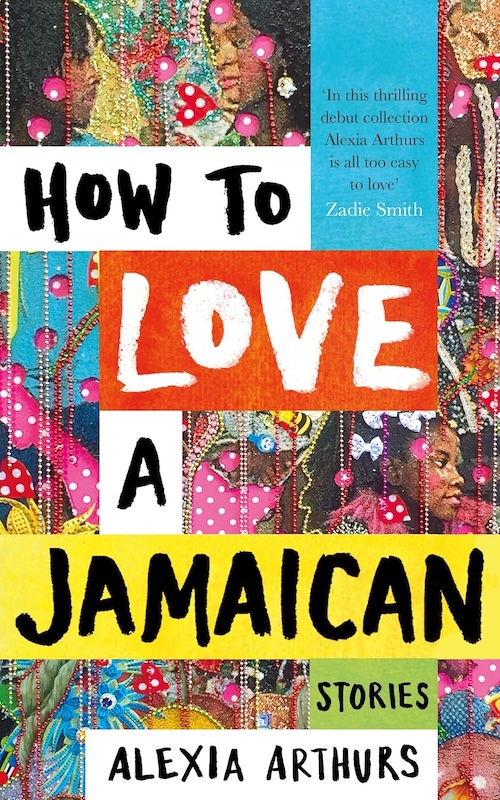
How to Love a Jamaican
How to Love a Jamaican is a collection of short stories exploring love, family, migration, and the complexities of Jamaican identity. Moving between Jamaica and the Jamaican diaspora in the United States, Alexia Arthurs portrays characters navigating the tensions between cultural heritage and the desire for a different life. Her stories follow young people confronting sexuality and social expectations, immigrants struggling to belong in unfamiliar places, and families negotiating the emotional distance created by migration. Through intimate relationships and everyday encounters, Arthurs examines how race, class, religion, and national identity shape the ways people understand themselves and one another. Blending humor, tenderness, and emotional honesty, the collection offers a nuanced portrait of Jamaican life across borders, revealing the complicated meanings of home, belonging, and love.
Jamaica
2018
4
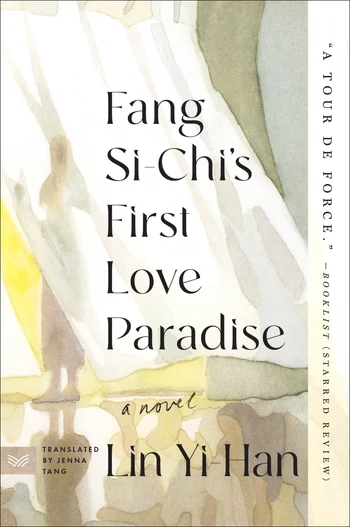
Fang Si-Chi's First Love Paradise
Thirteen-year-old Fang Si-Chi loves literature and believes that beautiful words can help her understand the world. When a respected literature teacher offers to tutor her, her parents see an opportunity for their gifted daughter. Instead, their trust exposes her to a devastating betrayal that will transform her understanding of love, desire, and herself. As Si-Chi struggles to make sense of her experience, she turns to the books she once believed held all the answers. Inspired by the author’s own experiences, this haunting novel examines sexual abuse, the manipulation of innocence, and the social structures that protect perpetrators while silencing victims. With lyrical prose and unflinching psychological insight, Lin Yi-Han exposes the terrifying distance between the romantic ideals we inherit from literature and the realities of human cruelty.
Taiwan
2017
5
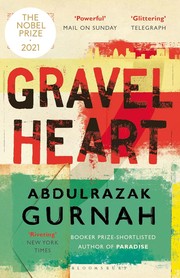
Gravel Heart
Gravel Heart follows Salim, a young boy growing up in Zanzibar amid family tensions and the political upheaval that follows the island’s independence and revolution. Salim struggles to understand his father’s emotional distance and the secrets that shape his family. When his uncle offers him the opportunity to study in London, Salim leaves home hoping to find a different future. However, life as an immigrant brings new forms of isolation, prejudice, and uncertainty. As he attempts to understand his parents’ choices and his own place in the world, Salim confronts the painful relationship between personal history and self-discovery. Gurnah explores exile, belonging, family betrayal, and the ways that unresolved secrets can shape a person’s sense of identity across continents and generations.
Tanzania
2017
6
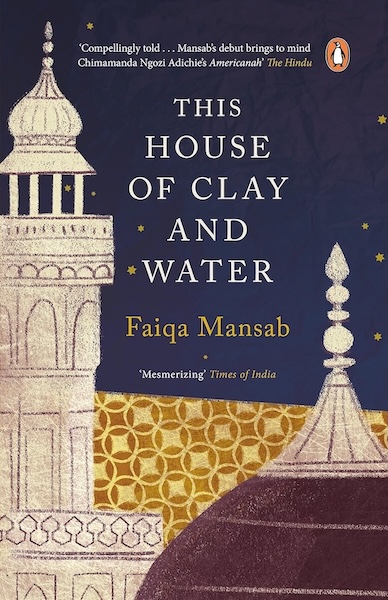
This House of Clay and Water
This House of Clay and Water follows two women whose lives intersect in contemporary Lahore, where social expectations, religious traditions, and personal desires shape the choices available to them. Nida is the wife of a police officer, living a life of privilege that conceals profound loneliness and dissatisfaction. When she encounters Bhanggi, a transgender woman living on the margins of society, an unexpected friendship develops between them. Their connection challenges the boundaries imposed by class, gender, and respectability.
Through their intertwined stories, Faiqa Mansab explores the search for belonging in a society where people who defy conventional expectations often face exclusion and violence. The novel also follows Sasha, a young man whose own emotional struggles become entangled with the women’s lives, adding further complexity to the story’s exploration of love and identity. Against the backdrop of Lahore’s vibrant yet deeply divided social landscape, the novel examines faith, desire, gender, and the human need for acceptance. It asks whether genuine connection can survive in a world determined to categorise people and dictate how they should live.
Pakistan
2017
7
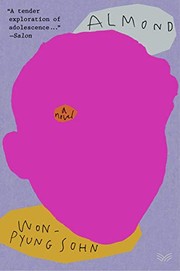
Almond
Almond follows Yunjae, a teenage boy who has difficulty recognising and expressing emotions because of a neurological condition called alexithymia. Due to an unusually small amygdala, the part of the brain associated with emotional responses, Yunjae struggles to understand fear, anger, and happiness in the ways others do. Raised by his mother and grandmother, who teach him how to navigate social situations, he leads a carefully structured life until a violent incident leaves him isolated and forces him to face the world alone.
At school, Yunjae encounters Gon, a troubled boy whose aggressive behaviour hides deep emotional pain. Despite their differences, an unexpected connection develops between them, challenging both boys’ understanding of themselves and each other. Through their evolving relationship, Sohn Won-pyung explores empathy, friendship, trauma, and the meaning of emotional connection. The novel asks whether compassion must come from instinctive feelings or can instead be learned through experience, suggesting that understanding another person may begin with the simple willingness to see beyond appearances.
South Korea
2017
8
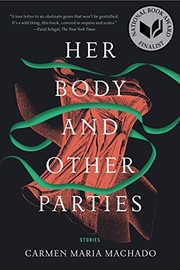
Her Body and Other Parties: Stories
In this electric and provocative debut, Carmen Maria Machado bends genre to shape startling narratives that map the realities of women's lives and the violence visited upon their bodies. A wife refuses her husband's entreaties to remove the green ribbon from around her neck. A woman recounts her sexual encounters as a plague slowly consumes humanity. A salesclerk in a mall makes a horrifying discovery within the seams of the store's prom dresses. One woman's surgery-induced weight loss results in an unwanted houseguest. And in the bravura novella 'Especially Heinous,' Machado reimagines every episode of Law & Order: Special Victims Unit, a show naively assumeded had shown it all, generating a phantasmagoric police procedural full of doppelgangers, ghosts, and girls with bells for eyes.
United States
2017
9
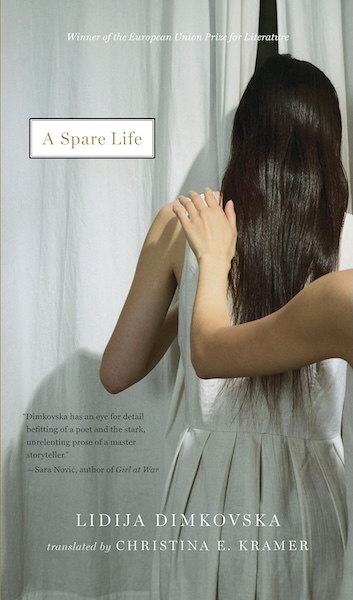
A Spare Life
In 1984, twin sisters Zlata and Srebra are born in Skopje, Macedonia, joined at the head. Growing up physically connected in a society undergoing profound political and social change, they share a body but struggle to establish separate identities, desires, and futures. Their lives are shaped by the devotion and exhaustion of their family, the curiosity and prejudice of strangers, and the everyday difficulties of navigating a world designed for people who can move independently.
Narrated by Zlata, A Spare Life follows the sisters from childhood into adulthood against the backdrop of Yugoslavia’s dissolution and the emergence of an independent Macedonia. As their circumstances change, their longing for privacy and personal freedom becomes increasingly urgent. Combining an intimate family story with a broader portrait of a society in transition, Lidija Dimkovska explores individuality, bodily autonomy, belonging, and the boundaries between dependence and independence. The novel asks what it means to live an authentic life when even the most fundamental choices must be shared.
North Macedonia
2016
10
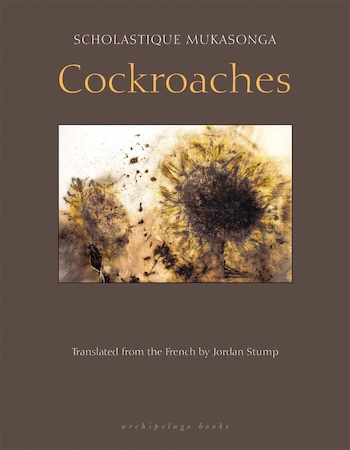
Cockroaches
In this moving autobiographical memoir, Scholastique Mukasonga recounts her childhood as a Tutsi girl in Rwanda, where ethnic persecution gradually transforms everyday life into a struggle for survival. After her family is forcibly displaced to the impoverished Bugesera region, she grows up surrounded by fear, humiliation, and uncertainty, yet also by the warmth of family life and the strength of her community. Eventually forced to flee to neighbouring Burundi, Mukasonga leaves behind the people and places that shaped her childhood. In 1994, while living in France, she learns that thirty-seven members of her family have been murdered during the Rwandan genocide. The title refers to inyenzi, a dehumanising slur used against Tutsis, reducing human beings to creatures considered fit for extermination. Through precise, restrained prose, Mukasonga transforms her memories into an act of remembrance, restoring individuality to those whom violence sought to erase. Cockroaches is both a personal testimony of survival and a powerful tribute to the enduring bonds of family, memory, and belonging.
Rwanda
2016
11
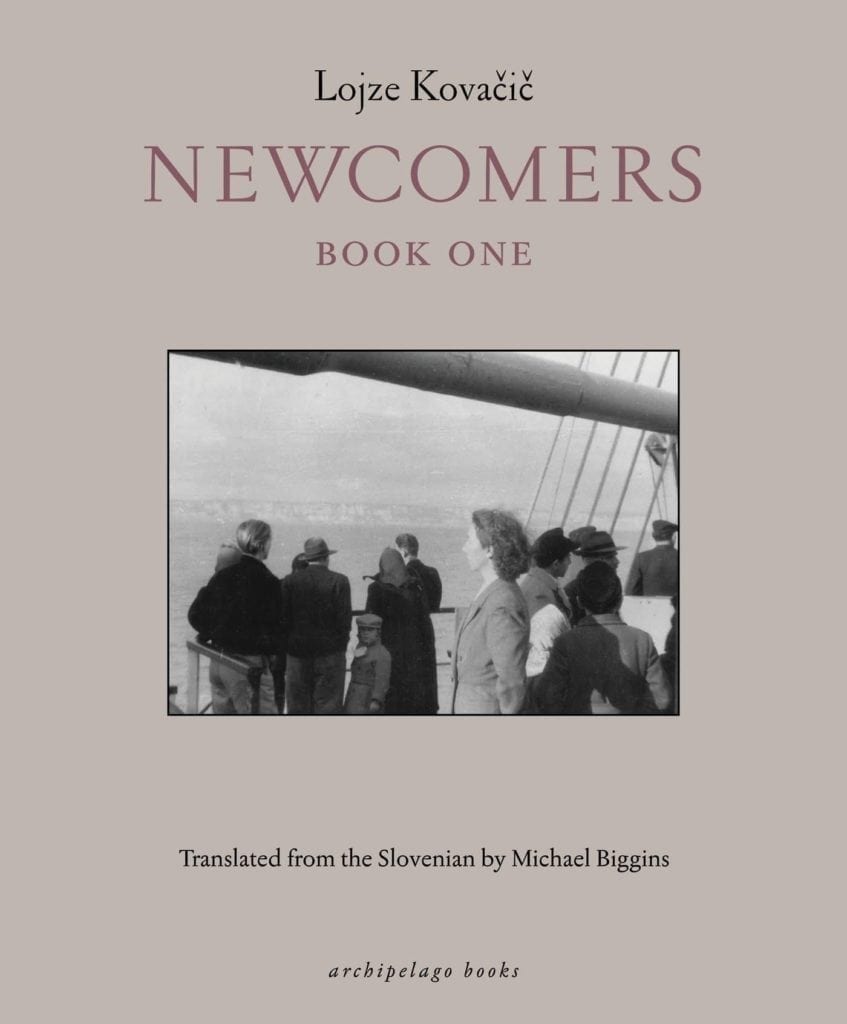
Newcomers: Book One
The first volume of this three-part autobiographical series begins in 1938 with the expulsion of the Kovačič family from their home in Switzerland, eventually leading to their settlement in the father’s home country of Slovenia. Before leaving their home, the ten-year-old son of the family imagines his father’s country as one of beauty and fairytales, but as they make their way to the land of their exile, the family realizes that any efforts to make this place a home will be in vain. Confronted by misery, hunger, and hostility, the young boy refuses to learn Slovenian and falls silent, his surroundings becoming a social, cultural, and mental abyss.
Narrated by the boy with uncanny naiveté, the novel follows his family’s journey in a fragmented mosaic of memories. Some are innocent and tender, while others are miserable and ruthless, resulting in a profound and heart-wrenching description of a period torn apart by conflict, reflected in the author’s powerful and innovative command of language.
Slovenia
2016
12
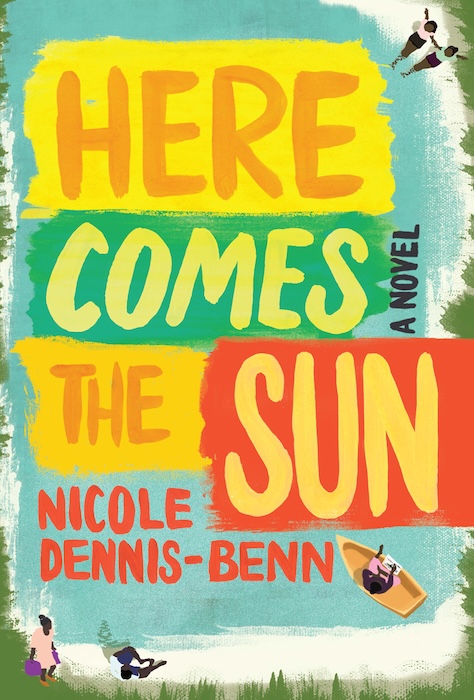
Here Comes the Sun
Set in Montego Bay, Jamaica, Here Comes the Sun follows three women from the same family as they struggle to survive in a society shaped by poverty, social inequality, and the pressures of tourism. Margot works at a luxury resort and secretly takes on sex work to pay for her younger sister Thandi’s education, hoping to give her a future beyond the hardships they have known. Their mother, Delores, is equally determined to secure the family’s financial stability, while Thandi struggles with expectations about beauty, class, and success.
When plans for a new hotel threaten their community, the women must confront difficult truths about their desires, relationships, and sacrifices. Beneath Jamaica’s image as a tropical paradise, Dennis-Benn reveals a more complicated reality of exploitation, colourism, homophobia, and the lingering effects of colonialism. The novel is a powerful exploration of identity, belonging, and the price of pursuing a better life.
Jamaica
2016
About this theme
- Books
- 196
- Countries
- 72
Countries with this theme
Afghanistan
Asia
Albania
Europe
Algeria
Africa
Argentina
South America
Azerbaijan
Asia
Barbados
North America
Belgium
Europe
Bosnia and Herzegovina
Europe
Botswana
Africa
Brazil
South America
Brunei
Asia
Bulgaria
Europe
Canada
North America
Chile
South America
China
Asia
Congo, Democratic Republic
Africa
Croatia
Europe
Cuba
North America
Cyprus
Asia
Czech Republic
Europe
Denmark
Europe
Djibouti
Africa
Dominica
North America
Dominican Republic
North America
Ecuador
South America
Egypt
Africa
France
Europe
Germany
Europe
Ghana
Africa
Greece
Europe
Guatemala
North America
Iceland
Europe
India
Asia
Indonesia
Asia
Iran
Asia
Ireland
Europe
Italy
Europe
Jamaica
North America
Japan
Asia
Kazakhstan
Asia
Kenya
Africa
Kuwait
Asia
Kyrgyzstan
Asia
Lebanon
Asia
Libya
Africa
Luxembourg
Europe
Mexico
North America
Morocco
Africa
Netherlands
Europe
New Zealand
Oceania
Nigeria
Africa
North Macedonia
Europe
Norway
Europe
Pakistan
Asia
Palestine
Asia
Panama
North America
Russia
Europe
Rwanda
Africa
Singapore
Asia
Slovenia
Europe
Somalia
Africa
South Korea
Asia
Sudan
Africa
Sweden
Europe
Taiwan
Asia
Tanzania
Africa
Türkiye
Asia
Ukraine
Europe
United Kingdom
Europe
United States
North America
Uzbekistan
Asia
Zimbabwe
Africa