Identity & Belonging
Explorations of self, belonging, and what it means to find your place.
All countries
Afghanistan
Albania
Algeria
Argentina
Azerbaijan
Barbados
Belgium
Bosnia and Herzegovina
Botswana
Brazil
Brunei
Bulgaria
Canada
Chile
China
Congo, Democratic Republic
Croatia
Cuba
Cyprus
Czech Republic
Denmark
Djibouti
Dominica
Dominican Republic
Ecuador
Egypt
France
Germany
Ghana
Greece
Guatemala
Iceland
India
Indonesia
Iran
Ireland
Italy
Jamaica
Japan
Kazakhstan
Kenya
Kuwait
Kyrgyzstan
Lebanon
Libya
Luxembourg
Mexico
Morocco
Netherlands
New Zealand
Nigeria
North Macedonia
Norway
Pakistan
Palestine
Panama
Russia
Rwanda
Singapore
Slovenia
Somalia
South Korea
Sudan
Sweden
Taiwan
Tanzania
Türkiye
Ukraine
United Kingdom
United States
Uzbekistan
Zimbabwe
1
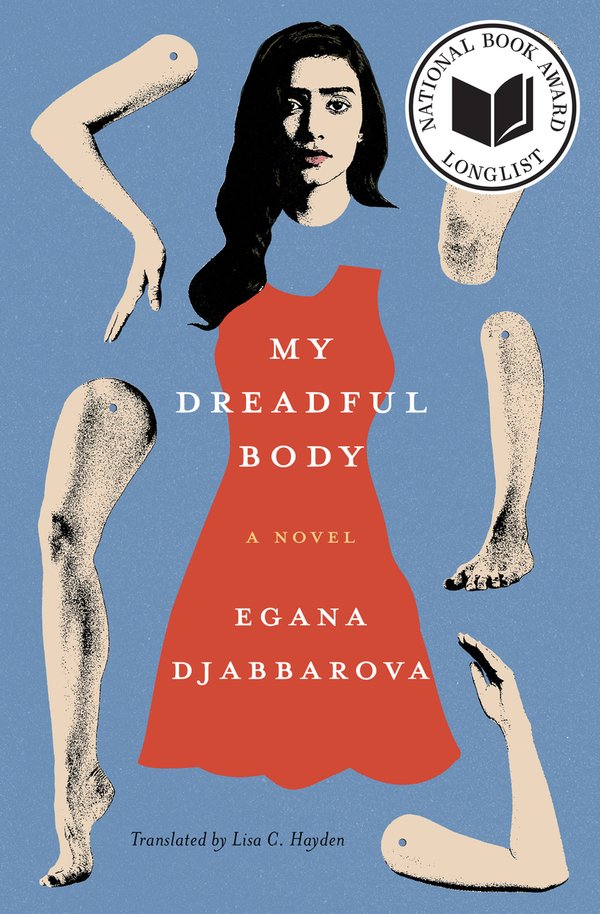
My Dreadful Body
In My Dreadful Body, Egana Djabbarova explores what it means to grow up as a woman in a traditional Azerbaijani family in Russia, where a woman’s body is shaped by cultural expectations, religious beliefs, and the prospect of marriage. As the narrator develops a mysterious neurological condition that causes pain, involuntary movements, and speech difficulties, her body becomes both a source of suffering and a lens through which she examines her identity.
Organised into chapters devoted to different body parts, the novel weaves together intimate memories, family traditions, and reflections on gender, illness, and belonging. The narrator confronts the rules imposed on women across generations, as well as the cultural tensions of living between Azerbaijani and Russian identities. Lyrical and deeply personal, this debut novel explores how physical vulnerability can challenge social expectations and open a path towards self-determination.
Russia
2023
2
Crime and Punishment
Set in the impoverished streets of nineteenth-century St. Petersburg, Crime and Punishment follows Rodion Raskolnikov, a former student who develops a theory that extraordinary individuals may be entitled to transgress moral laws for a greater purpose. Driven by poverty, pride, and his desire to prove his own superiority, he commits a brutal double murder. However, rather than achieving the freedom he imagined, Raskolnikov becomes consumed by guilt, paranoia, and psychological torment. As he struggles to conceal his crime, he encounters people who challenge his worldview, particularly Sonya Marmeladova, a young woman whose faith and compassion offer him a possible path toward redemption. Through intense psychological exploration, Dostoevsky examines morality, free will, suffering, and the conflict between intellectual justification and human conscience. The novel asks whether anyone can rise above ordinary moral obligations and explores how confronting one’s own humanity may be the first step toward transformation.
Russia
1866
About this theme
- Books
- 2
- Countries
- 72
Countries with this theme
Afghanistan
Asia
Albania
Europe
Algeria
Africa
Argentina
South America
Azerbaijan
Asia
Barbados
North America
Belgium
Europe
Bosnia and Herzegovina
Europe
Botswana
Africa
Brazil
South America
Brunei
Asia
Bulgaria
Europe
Canada
North America
Chile
South America
China
Asia
Congo, Democratic Republic
Africa
Croatia
Europe
Cuba
North America
Cyprus
Asia
Czech Republic
Europe
Denmark
Europe
Djibouti
Africa
Dominica
North America
Dominican Republic
North America
Ecuador
South America
Egypt
Africa
France
Europe
Germany
Europe
Ghana
Africa
Greece
Europe
Guatemala
North America
Iceland
Europe
India
Asia
Indonesia
Asia
Iran
Asia
Ireland
Europe
Italy
Europe
Jamaica
North America
Japan
Asia
Kazakhstan
Asia
Kenya
Africa
Kuwait
Asia
Kyrgyzstan
Asia
Lebanon
Asia
Libya
Africa
Luxembourg
Europe
Mexico
North America
Morocco
Africa
Netherlands
Europe
New Zealand
Oceania
Nigeria
Africa
North Macedonia
Europe
Norway
Europe
Pakistan
Asia
Palestine
Asia
Panama
North America
Russia
Europe
Rwanda
Africa
Singapore
Asia
Slovenia
Europe
Somalia
Africa
South Korea
Asia
Sudan
Africa
Sweden
Europe
Taiwan
Asia
Tanzania
Africa
Türkiye
Asia
Ukraine
Europe
United Kingdom
Europe
United States
North America
Uzbekistan
Asia
Zimbabwe
Africa