Identity & Belonging
Explorations of self, belonging, and what it means to find your place.
All countries
Afghanistan
Albania
Algeria
Argentina
Azerbaijan
Barbados
Belgium
Bosnia and Herzegovina
Botswana
Brazil
Brunei
Bulgaria
Canada
Chile
China
Congo, Democratic Republic
Croatia
Cuba
Cyprus
Czech Republic
Denmark
Djibouti
Dominica
Dominican Republic
Ecuador
Egypt
France
Germany
Ghana
Greece
Guatemala
Iceland
India
Indonesia
Iran
Ireland
Italy
Jamaica
Japan
Kazakhstan
Kenya
Kuwait
Kyrgyzstan
Lebanon
Libya
Luxembourg
Mexico
Morocco
Netherlands
New Zealand
Nigeria
North Macedonia
Norway
Pakistan
Palestine
Panama
Russia
Rwanda
Singapore
Slovenia
Somalia
South Korea
Sudan
Sweden
Taiwan
Tanzania
Türkiye
Ukraine
United Kingdom
United States
Uzbekistan
Zimbabwe
1

Natalja’s Stories
Spanning generations of women and moving between Denmark and Russia, Natalja’s Stories is an inventive, surrealist exploration of family history, migration, and the elusive nature of identity. The story begins with Marie, a young woman living in Copenhagen who leaves her home with a Russian admirer and travels to St. Petersburg. As political upheaval engulfs Russia following the Revolution, Marie dies, and her daughter, Natalja, undertakes the journey back to Denmark carrying her mother’s ashes.
But Natalja’s story refuses to unfold as a conventional tale of exile and loss. Retold through the memories and imaginations of successive generations, it becomes a shifting narrative filled with mysterious encounters, murders, absurd characters, and unexpected connections. A particularly unsettling figure, Viktor Blanke, appears across the lives of three generations of mothers and daughters, blurring the boundaries between past and present, memory and invention. As the stories accumulate, identities overlap and family history becomes increasingly difficult to distinguish from fiction.
Originally published in Danish in 1988 as Nataljas fortællinger, this playful, formally experimental novella challenges familiar narratives about migration and belonging. Christensen combines dark humour, surrealism, and philosophical reflection to suggest that identity is never fixed: we continually reinvent ourselves through the stories we tell about our lives.
Denmark
2025
2
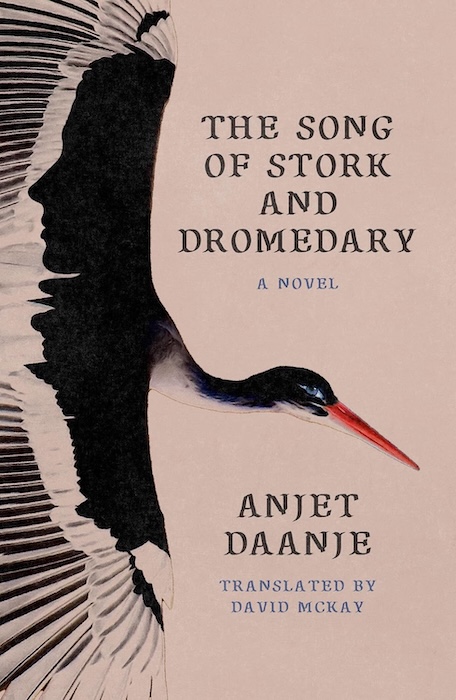
The Song of Stork and Dromedary
Inspired by the lives and literary legacies of the Brontë sisters, The Song of Stork and Dromedary is an intricate literary mystery about an elusive writer whose work continues to fascinate readers long after her death.
In nineteenth-century Yorkshire, Eliza May Drayden and her sisters grow up in relative isolation, finding refuge in their shared passion for literature. When Eliza May finally publishes her only novel, Haeger Mass, it is condemned as disturbing and immoral. Yet, over time, the book acquires a devoted following, and its mysterious author becomes the subject of endless speculation. Who was Eliza May Drayden, and what secrets lie within her strange and unsettling work?
Told across eleven interconnected narratives spanning almost three centuries, the novel unfolds through letters, biographies, personal recollections, mysterious notebooks, and the lives of people touched by Eliza May’s writing. As each perspective reveals new details, conflicting interpretations emerge, making the truth increasingly elusive.
Blending Gothic fiction, historical storytelling, and philosophical mystery, Daanje explores artistic identity, the relationship between an author and her readers, and the human desire to find meaning in stories. Ultimately, the novel reflects on literature’s extraordinary ability to transcend time and mortality.
Denmark
2026
About this theme
- Books
- 2
- Countries
- 72
Countries with this theme
Afghanistan
Asia
Albania
Europe
Algeria
Africa
Argentina
South America
Azerbaijan
Asia
Barbados
North America
Belgium
Europe
Bosnia and Herzegovina
Europe
Botswana
Africa
Brazil
South America
Brunei
Asia
Bulgaria
Europe
Canada
North America
Chile
South America
China
Asia
Congo, Democratic Republic
Africa
Croatia
Europe
Cuba
North America
Cyprus
Asia
Czech Republic
Europe
Denmark
Europe
Djibouti
Africa
Dominica
North America
Dominican Republic
North America
Ecuador
South America
Egypt
Africa
France
Europe
Germany
Europe
Ghana
Africa
Greece
Europe
Guatemala
North America
Iceland
Europe
India
Asia
Indonesia
Asia
Iran
Asia
Ireland
Europe
Italy
Europe
Jamaica
North America
Japan
Asia
Kazakhstan
Asia
Kenya
Africa
Kuwait
Asia
Kyrgyzstan
Asia
Lebanon
Asia
Libya
Africa
Luxembourg
Europe
Mexico
North America
Morocco
Africa
Netherlands
Europe
New Zealand
Oceania
Nigeria
Africa
North Macedonia
Europe
Norway
Europe
Pakistan
Asia
Palestine
Asia
Panama
North America
Russia
Europe
Rwanda
Africa
Singapore
Asia
Slovenia
Europe
Somalia
Africa
South Korea
Asia
Sudan
Africa
Sweden
Europe
Taiwan
Asia
Tanzania
Africa
Türkiye
Asia
Ukraine
Europe
United Kingdom
Europe
United States
North America
Uzbekistan
Asia
Zimbabwe
Africa