Family & Heritage
Sagas of lineage, tradition, and the ties that bind generations.
All countries
Afghanistan
Argentina
Armenia
Australia
Bosnia and Herzegovina
Botswana
Brazil
Canada
Central African Republic
Chile
China
Colombia
Croatia
Cuba
Djibouti
Dominican Republic
Egypt
Ethiopia
France
Georgia
Germany
Hungary
India
Iran
Iraq
Ireland
Italy
Japan
Lebanon
Libya
Mexico
Netherlands
Nigeria
Norway
Oman
Pakistan
Palestine
Poland
Russia
Singapore
South Africa
South Korea
Sweden
Switzerland
Taiwan
Türkiye
United Kingdom
United States
Zambia
1
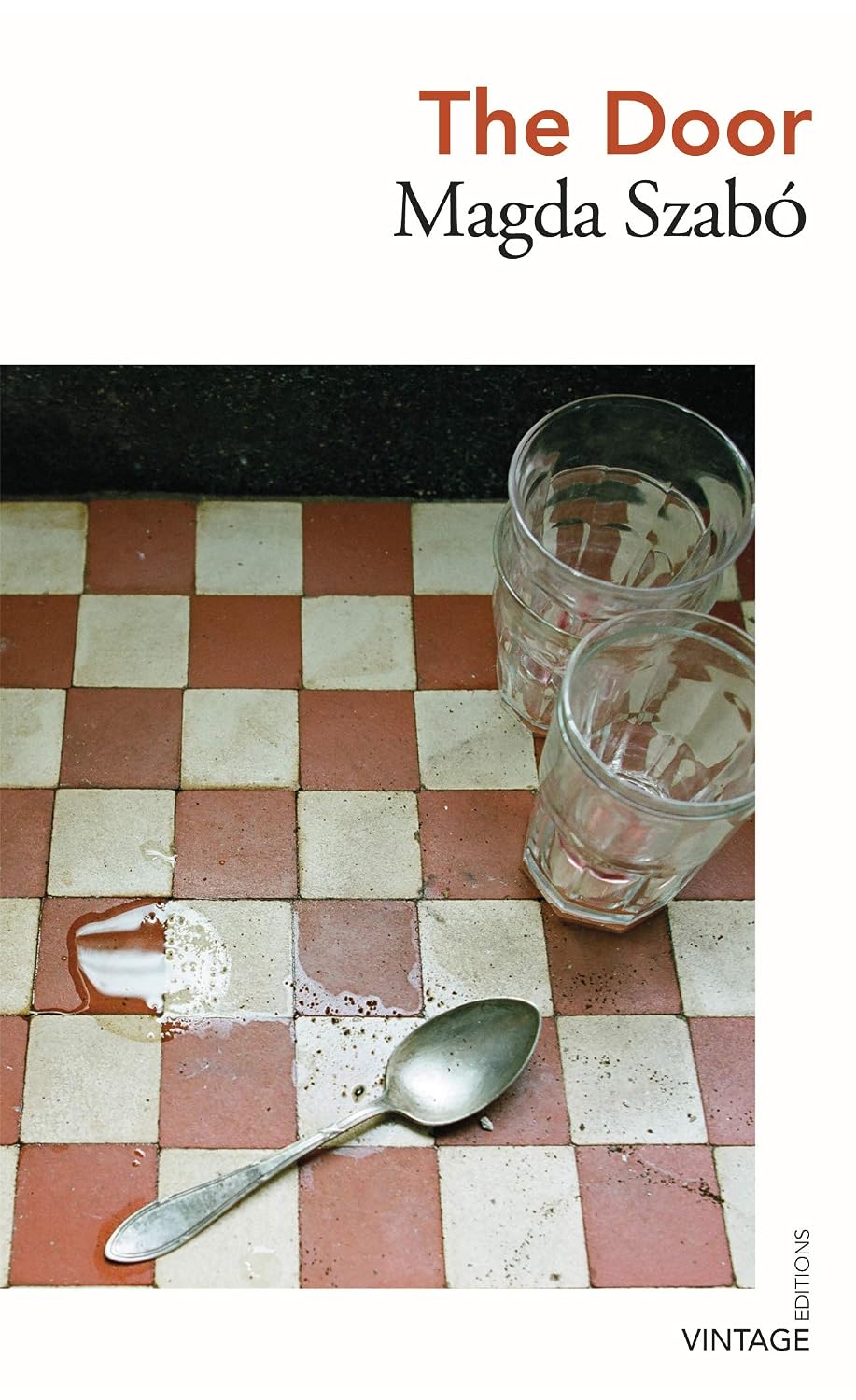
The Door
The Door is a psychological novel about the complicated relationship between a successful Hungarian writer and her enigmatic housekeeper, Emerence. When the narrator hires Emerence to help manage her household, she encounters a woman whose fierce independence, strict routines, and guarded private life conceal a painful past. Over the years, the two women develop a profound but often turbulent bond, shaped by affection, resentment, loyalty, and misunderstandings. Emerence’s refusal to let anyone enter her home becomes a powerful symbol of her emotional boundaries and the secrets she struggles to protect. Through this intimate relationship, Szabó explores the limits of love, the burden of guilt, the unequal balance of power between people, and the difficulty of truly knowing another person. The novel is both a portrait of an extraordinary woman and a meditation on the moral responsibilities we have toward those we love.
Hungary
1987
2

Purple Hibiscus
Purple Hibiscus follows fifteen-year-old Kambili Achike, who grows up in a wealthy Nigerian family ruled by her father, Eugene, a respected businessman and devout Catholic. In public, Eugene is admired for his generosity and outspoken opposition to political corruption. At home, however, his rigid religious beliefs and authoritarian behaviour create an atmosphere of fear and violence. Kambili and her brother, Jaja, learn to remain silent and obedient to avoid their father’s anger.
Their lives begin to change when they visit their aunt Ifeoma, a university lecturer who raises her children in a household filled with debate, laughter, and intellectual freedom. Through this experience, Kambili gradually discovers her own voice and begins to question the beliefs that have shaped her childhood. Set against the political instability of postcolonial Nigeria, the novel explores religious fanaticism, domestic abuse, freedom, and the courage required to challenge authority. With sensitivity and psychological depth, Adichie portrays a family’s struggle to break free from fear and rediscover the possibility of love and independence.
Nigeria
1980
3

Katalin Street
Set in Budapest before, during, and after the Second World War, Katalin Street follows three families whose lives are closely intertwined through friendship, love, and shared childhood memories. At the centre of the story is Henriette, a Jewish girl whose death during the war leaves an enduring wound in the lives of her neighbours and friends: the Bálints, the Elekes, and the Helds. As political upheaval transforms Hungary, the survivors struggle to rebuild their lives, yet remain haunted by the past and by the choices they made. Through shifting perspectives and a nonlinear narrative, Szabó explores how trauma, guilt, and nostalgia shape personal identity and relationships across generations. The street itself becomes a powerful symbol of a lost world, representing the fragile security of childhood and the impossibility of returning to what once was. Both intimate and historically resonant, the novel examines the lasting consequences of war and the ways the dead continue to inhabit the lives of the living.
Hungary
1969
4
One Hundred Years of Solitude
One Hundred Years of Solitude tells the story of the Buendía family across seven generations in the fictional town of Macondo, founded by José Arcadio Buendía and his wife, Úrsula. As the town grows from an isolated settlement into a place transformed by political conflict and modernisation, the family experiences extraordinary passions, recurring tragedies, and mysterious events. Magic and everyday life coexist, while characters repeatedly struggle with loneliness, desire, ambition, and the burden of their ancestors’ mistakes. Through the Buendías, García Márquez explores the cyclical nature of history and the difficulty of escaping inherited patterns. The novel combines family saga, political allegory, and magical realism to portray the rise and decline of an entire community.
Colombia
1967
5
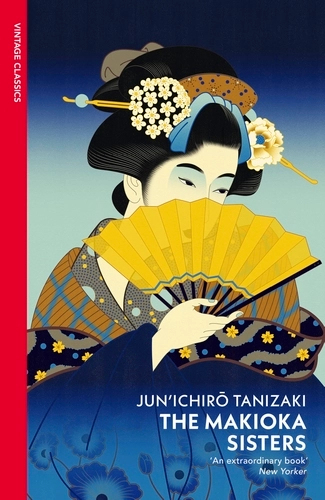
The Makioka Sisters
Set in Osaka and its surrounding areas during the years leading up to the Second World War, The Makioka Sisters follows four women from a once-prosperous merchant family struggling to preserve their social standing as Japanese society undergoes profound change. The story centers on the sisters’ efforts to arrange a suitable marriage for Yukiko, the quiet and reserved third daughter, whose future is complicated by family expectations, social conventions, and a series of unsuccessful matchmaking attempts. Meanwhile, the youngest sister, Taeko, pursues a more independent life, challenging the traditional values that govern her family’s decisions.
Through the sisters’ daily routines, seasonal celebrations, family gatherings, and romantic entanglements, Tanizaki captures the tensions between tradition and modernity in prewar Japan. Beneath the novel’s elegant descriptions of clothing, festivals, and landscapes lies a poignant portrait of a family confronting the gradual erosion of its privilege and influence. The novel explores the bonds between sisters, the pressures of social conformity, and the difficulty of adapting to a changing world. Rich in cultural detail and psychological insight, it is both an intimate family saga and an elegy for a disappearing way of life.
Japan
1957
6
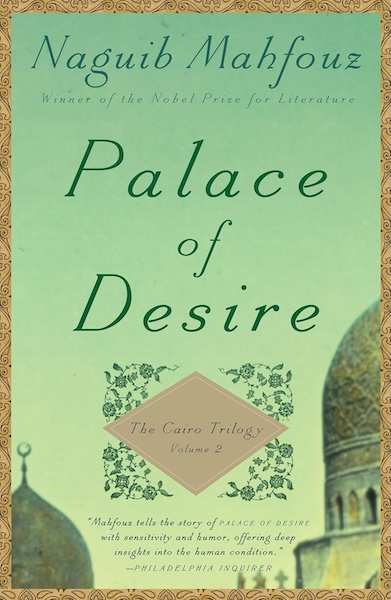
Palace of Desire
Palace of Desire is the second novel in Naguib Mahfouz’s Cairo Trilogy, continuing the story of the al-Sayyid family in Cairo during the 1920s. As Egypt experiences political change and growing demands for independence, the family faces its own transformations. Ahmad Abd al-Jawad, once the unquestioned authority in his household, grows older while continuing to struggle with his desire for pleasure and control. Meanwhile, his children enter adulthood, developing beliefs, ambitions, and relationships that increasingly challenge the traditions imposed upon them.
The novel focuses particularly on the younger generation’s changing attitudes toward religion, politics, love, and personal freedom. Kamal, the youngest son, becomes increasingly absorbed in philosophy and literature, questioning the religious certainties of his upbringing and struggling with unrequited love. Through the family’s experiences, Mahfouz explores the tension between inherited values and modern ideas, revealing how political upheaval and cultural transformation reshape intimate relationships. Rich in psychological detail, Palace of Desire portrays a society caught between tradition and modernity, where the search for independence often comes at the cost of family harmony.
Egypt
1957
7
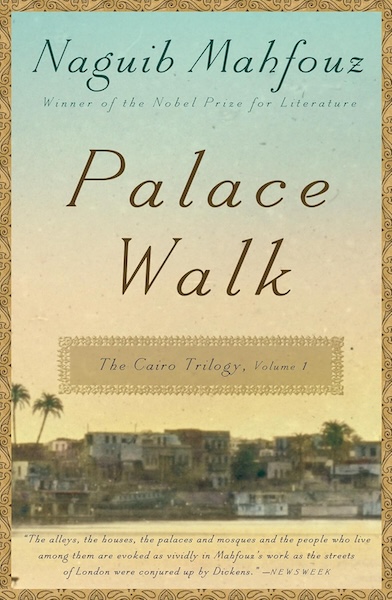
Palace Walk
Palace Walk is the first novel in Naguib Mahfouz’s acclaimed Cairo Trilogy, following the lives of the al-Sayyid family in Cairo during the First World War and the Egyptian nationalist movement of 1919. At the centre of the household is Ahmad Abd al-Jawad, a prosperous merchant who rules his family with absolute authority while secretly indulging in a life of pleasure outside the home. His wife, Amina, remains largely confined to the house, devoted to her husband and children, while their sons and daughters gradually develop ambitions that challenge the traditional values governing their lives.
As political unrest spreads through Egypt, the family’s private struggles reflect the wider tensions between tradition and modernity, religious authority and personal freedom, and colonial rule and national independence. Mahfouz portrays a society undergoing profound transformation, where generational conflicts reveal changing attitudes toward gender, education, and individual choice. Through richly detailed depictions of domestic life in historic Cairo, the novel examines the contradictions of patriarchal power and the ways political change reshapes even the most private relationships.
Egypt
1956
8
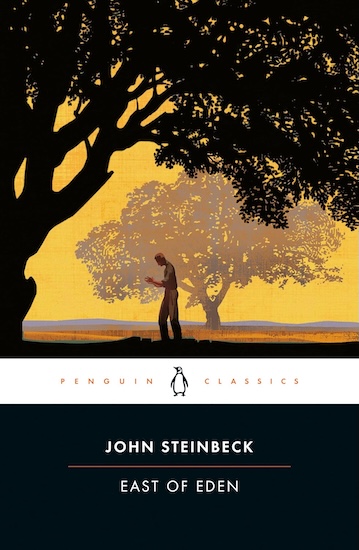
East of Eden
Set in California’s Salinas Valley, East of Eden follows the intertwined lives of the Trask and Hamilton families across several generations. At its heart is a conflict between two brothers, Cal and Aron Trask, whose relationship echoes the biblical story of Cain and Abel. Their struggles with jealousy, parental expectations, love, and belonging raise questions about whether people are destined to repeat the mistakes of their ancestors. Exploring the tension between good and evil, Steinbeck’s epic suggests that individuals are not entirely defined by their past or their nature. They retain the power to make choices that shape their own lives and the lives of those around them.
United States
1952
9
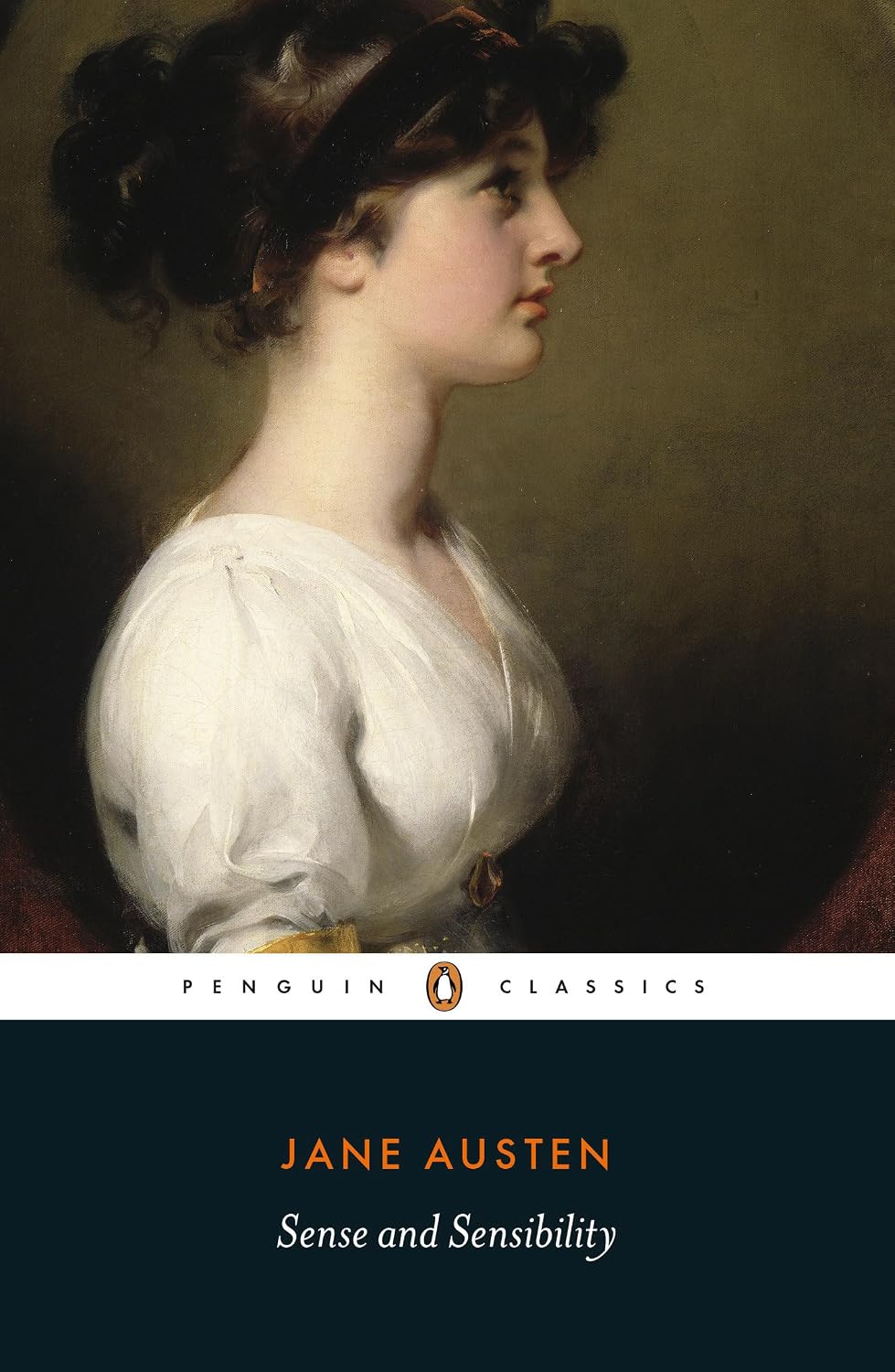
Sense and Sensibility
Sense and Sensibility follows sisters Elinor and Marianne Dashwood, whose lives change dramatically after their father’s death leaves them financially vulnerable. Forced to leave their family home, they must navigate a society in which women’s security often depends on advantageous marriages and the goodwill of relatives. Elinor approaches disappointment with restraint and practicality, while Marianne expresses her emotions openly and pursues romantic ideals with intensity. Their contrasting temperaments shape their experiences of love, heartbreak, and social obligation. As each sister confronts unexpected betrayals and difficult choices, they gradually learn from one another’s strengths. Austen explores the relationship between reason and emotion, revealing the dangers of excessive self-control as well as uncontrolled passion. The novel also critiques the economic pressures that limit women’s independence and influence their relationships.
United Kingdom
1811
About this theme
- Books
- 105
- Countries
- 49
Countries with this theme
Afghanistan
Asia
Argentina
South America
Armenia
Asia
Australia
Oceania
Bosnia and Herzegovina
Europe
Botswana
Africa
Brazil
South America
Canada
North America
Central African Republic
Africa
Chile
South America
China
Asia
Colombia
South America
Croatia
Europe
Cuba
North America
Djibouti
Africa
Dominican Republic
North America
Egypt
Africa
Ethiopia
Africa
France
Europe
Georgia
Asia
Germany
Europe
Hungary
Europe
India
Asia
Iran
Asia
Iraq
Asia
Ireland
Europe
Italy
Europe
Japan
Asia
Lebanon
Asia
Libya
Africa
Mexico
North America
Netherlands
Europe
Nigeria
Africa
Norway
Europe
Oman
Asia
Pakistan
Asia
Palestine
Asia
Poland
Europe
Russia
Europe
Singapore
Asia
South Africa
Africa
South Korea
Asia
Sweden
Europe
Switzerland
Europe
Taiwan
Asia
Türkiye
Asia
United Kingdom
Europe
United States
North America
Zambia
Africa