Family & Heritage
Sagas of lineage, tradition, and the ties that bind generations.
All countries
Afghanistan
Argentina
Armenia
Australia
Bosnia and Herzegovina
Botswana
Brazil
Canada
Central African Republic
Chile
China
Colombia
Croatia
Cuba
Djibouti
Dominican Republic
Egypt
Ethiopia
France
Georgia
Germany
Hungary
India
Iran
Iraq
Ireland
Italy
Japan
Lebanon
Libya
Mexico
Netherlands
Nigeria
Norway
Oman
Pakistan
Palestine
Poland
Russia
Singapore
South Africa
South Korea
Sweden
Switzerland
Taiwan
Türkiye
United Kingdom
United States
Zambia
1
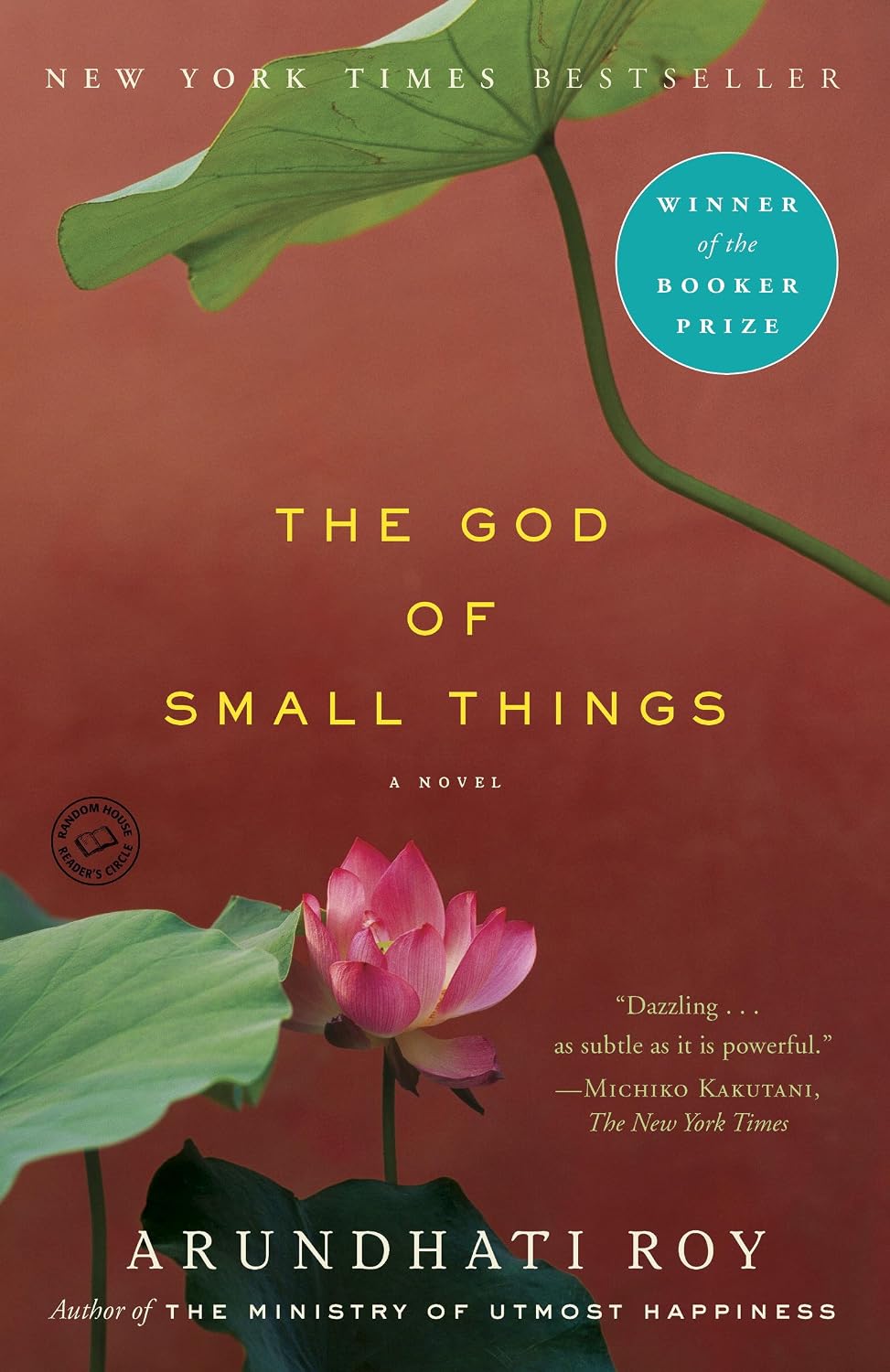
The God of Small Things
Set in Kerala, southern India, The God of Small Things tells the story of fraternal twins Estha and Rahel, whose childhood is shattered by a series of tragic events that permanently alter their family. Through a nonlinear narrative that moves between their childhood in 1969 and their reunion as adults, the novel explores the consequences of forbidden love, social prejudice, and deeply rooted cultural expectations. When their cousin Sophie Mol visits from England, an unexpected tragedy exposes the family’s hidden tensions and the cruelty of the social hierarchies governing their lives. At the centre of the story is Ammu, the twins’ mother, whose relationship with Velutha, a man from an oppressed caste, challenges the rigid boundaries of Indian society. Roy’s lyrical prose captures the beauty of childhood perception alongside the devastating effects of discrimination, silence, and loss. The novel examines how seemingly small moments can shape entire lives, revealing the profound consequences of breaking society’s unwritten rules.
India
1997
2
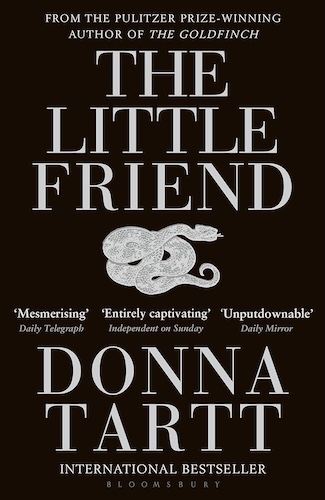
The Little Friend
In the sweltering American South, twelve-year-old Harriet Dufresnes becomes determined to solve the mysterious murder of her older brother, Robin, who was killed when she was still a baby. Driven by grief, imagination, and a fierce sense of justice, she ventures into a world of family secrets, dangerous people, and unsettling discoveries. A dark Southern Gothic novel about childhood, vengeance, and the stories we tell ourselves to make sense of loss.
United States
2002
3
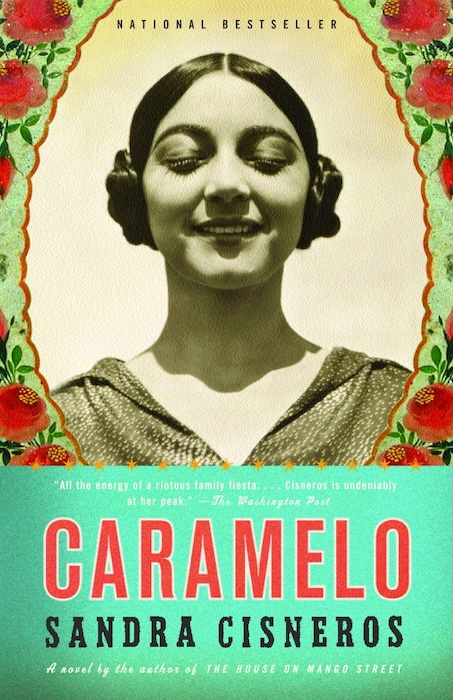
Caramelo
Caramelo follows Lala Reyes, a Mexican American girl who recounts her family’s history through generations of memories, stories, and secrets. During annual summer trips from Chicago to Mexico City, Lala becomes fascinated by her grandmother, Soledad, whose life story reveals the complexities of family relationships, cultural traditions, and personal sacrifice. As Lala pieces together her family’s past, she discovers that memory is often unreliable and that different generations tell conflicting versions of the same events. Moving between Mexico and the United States, the novel explores immigration, identity, love, and the tensions between tradition and independence. Through humor, vivid storytelling, and a rich blend of English and Spanish, Sandra Cisneros celebrates the complexities of Mexican American heritage while examining how family stories shape our understanding of ourselves and where we belong.
Mexico
2002
4
Wild Swans
Wild Swans: Three Daughters of China is a multigenerational memoir tracing the lives of Jung Chang, her mother, and her grandmother against the backdrop of China’s turbulent twentieth-century history. Beginning with her grandmother’s life under imperial rule, the narrative follows her mother’s experiences during the rise of the Communist Party and Chang’s own childhood during the Cultural Revolution. Through their personal stories, the book reveals the profound impact of political upheaval, traditional gender roles, and ideological control on ordinary Chinese families. Chang recounts her family’s experiences of arranged marriage, political persecution, forced labor, and shifting loyalties, illustrating how individual lives become entangled with national history. Combining intimate family memories with historical testimony, the memoir offers a powerful portrait of resilience, sacrifice, and the struggle for personal freedom across three generations of Chinese women.
China
2003
5

On Beauty
On Beauty is a witty, richly layered novel about family, cultural identity, and intellectual life, set between a fictional university town near Boston and London. The story centers on Howard Belsey, a British art historian teaching at Wellington College, and his American wife, Kiki, whose marriage is strained by infidelity, ideological disagreements, and diverging personal ambitions. Their three children—Jerome, Zora, and Levi—are each searching for their own place in a world shaped by race, class, and competing cultural values.
The Belseys’ lives become increasingly entangled with those of the Kipps family, led by Monty Kipps, a conservative Caribbean-born academic whose views sharply oppose Howard’s liberal convictions. As the two families collide, their rivalries expose the contradictions between public beliefs and private behavior.
Inspired in part by E. M. Forster’s Howards End, Smith’s novel explores the complicated relationship between beauty and morality, the limits of intellectual certainty, and the tensions between tradition and change. Both humorous and emotionally perceptive, On Beauty offers a portrait of contemporary multicultural society and the fragile bonds that hold families together.
United Kingdom
2005
6
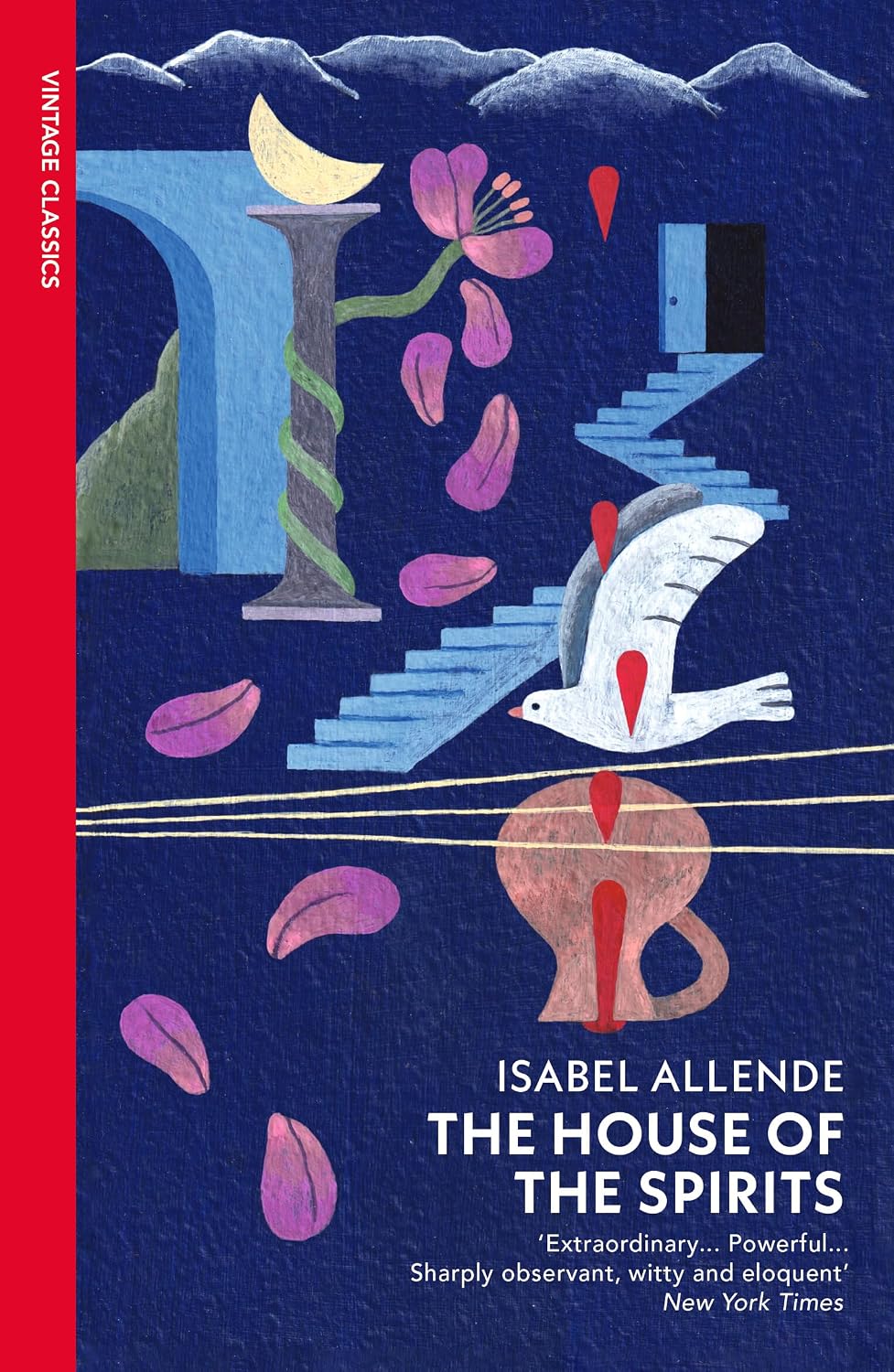
The House of the Spirits
The House of the Spirits chronicles several generations of the Trueba family in an unnamed Latin American country closely resembling Chile. At its centre are Clara, a woman with supernatural abilities, and Esteban Trueba, a powerful landowner whose ambition and authoritarian beliefs shape the lives of those around him. As the family experiences love, betrayal, political upheaval, and personal tragedy, their private struggles become intertwined with the country’s transformation. Allende blends magical realism with historical and political fiction, allowing spirits and supernatural events to coexist with the realities of class divisions and dictatorship. The novel explores how family secrets and inherited patterns of violence can persist across generations, while also suggesting the possibility of reconciliation and renewal.
Chile
2005
7
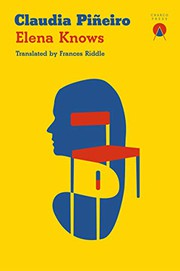
Elena Knows
Elena Knows follows Elena, an elderly woman living with Parkinson’s disease, who refuses to accept the official conclusion that her daughter Rita’s death was a suicide. Determined to discover the truth, Elena undertakes a difficult journey across Buenos Aires, relying on a promise made by a woman from her past. As her physical limitations make each step increasingly challenging, her investigation becomes a confrontation with painful memories and unresolved questions about motherhood, responsibility, and personal freedom. Piñeiro combines the structure of a crime novel with an intimate examination of women’s lives in a society shaped by religious expectations and social judgement. The story challenges assumptions about disability and autonomy while revealing how family relationships can be shaped by obligation, resentment, and love.
Argentina
2007
8
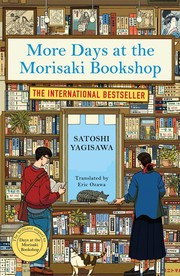
More Days at the Morisaki Bookshop
More Days at the Morisaki Bookshop continues the story of Takako, a young woman who found comfort and a new direction in life while living above her uncle’s second-hand bookshop in Tokyo. Having gradually rebuilt her confidence after a painful romantic disappointment, Takako becomes more involved in the lives of her uncle Satoru and aunt Momoko. When Momoko returns after a long absence, old emotions and unanswered questions emerge, prompting the family to reconsider the choices that have kept them apart. Takako also begins exploring new relationships and possibilities beyond the bookshop, discovering that healing does not mean leaving the past behind completely. Set in Tokyo’s book-loving Jinbōchō district, the novel celebrates literature, ordinary routines, and the quiet comfort of human connection. Yagisawa explores family bonds, emotional recovery, and the ways people create a sense of belonging through shared spaces and everyday acts of kindness.
Japan
2008
9
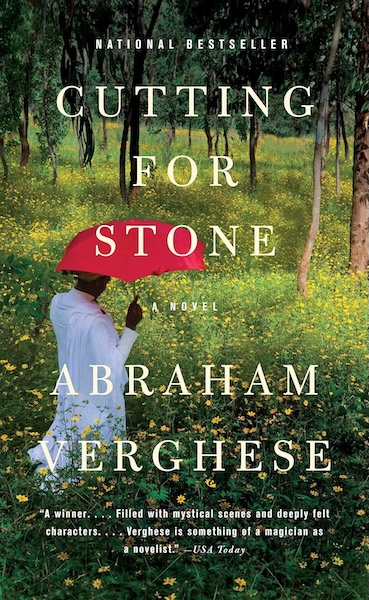
Cutting for Stone
In 1950s Addis Ababa, Ethiopia, twin brothers Marion and Shiva Stone are born from a secret relationship between an Indian nun and a British surgeon at a mission hospital. Their mother dies during childbirth, and their father disappears, leaving the twins to be raised by two devoted doctors who become their adoptive parents. Growing up surrounded by the world of medicine, the brothers develop an extraordinary bond and a shared fascination with surgery.
But as Ethiopia approaches revolution, their lives become entangled in forbidden love, jealousy, and betrayal. A devastating rupture drives Marion into exile in the United States, where he must confront the past he has tried to escape. When circumstances eventually bring him back to the world of his childhood, he faces the people and choices that shaped his life—and discovers that healing some wounds requires more than surgical skill.
Spanning continents and decades, Cutting for Stone is an epic story of brotherhood, sacrifice, and the complicated ties between parents and children. Abraham Verghese combines the intimate drama of a family saga with the intricate world of medicine, exploring how love, loss, and the accidents of birth can shape a person’s destiny.
Ethiopia
United States
2009
10
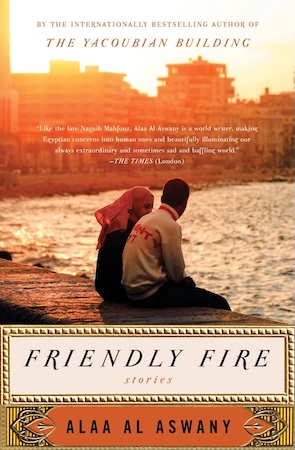
Friendly Fire
An Israeli family gathers for the holidays, but beneath the familiar rituals lie old resentments, unspoken fears, and questions about the meaning of home. Amotz Yaari, a successful engineer, and his wife, Daniela, find their carefully ordered lives disrupted by a family crisis that sends Daniela travelling to Africa to visit her widowed brother-in-law. Meanwhile, their son is serving in the Israeli army, and the family struggles to reconcile its private concerns with the realities of military service and political conflict. Moving between domestic life and distant landscapes, Friendly Fire examines the fragile bonds that hold families together and the ways war infiltrates even the most intimate relationships.
Egypt
2009
11
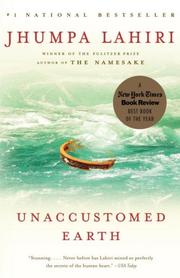
Unaccustomed Earth
Unaccustomed Earth is a collection of eight stories examining the experiences of Bengali families living in the United States and the complex relationships between generations. The first section focuses on individuals negotiating marriage, parenthood, grief, and cultural expectations as they attempt to build lives far from their ancestral homeland. The final three stories follow Hema and Kaushik, two Bengali Americans whose lives intersect during childhood and again in adulthood, revealing how family decisions and personal losses shape their futures. Lahiri explores the tensions between parental expectations and individual freedom, particularly as younger generations grow up with different ideas about identity, love, and belonging. Through subtle portrayals of everyday life, the collection reveals how family bonds can offer both security and constraint, and how people carry the influence of their upbringing long after they believe they have moved beyond it.
India
2009
12
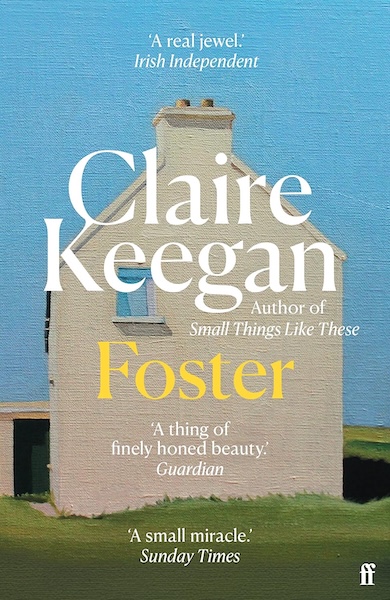
Foster
During the summer of 1981, an unnamed young girl is sent from her crowded family home to live with relatives in rural County Wexford while her mother prepares to give birth. Quiet and observant, she arrives at the Kinsellas’ farm uncertain of what awaits her. But unlike the home she has left behind, this household offers her tenderness, attention, and a sense of belonging she has never experienced before.
As the summer unfolds, the girl discovers the transformative power of being cared for. Yet beneath the peaceful routines of farm life lies a grief the Kinsellas rarely discuss. Through small gestures, unspoken truths, and the child’s growing awareness of the adult world, Claire Keegan creates a moving portrait of childhood and the complicated bonds between parents and children. Foster is a beautifully restrained novella about the families we are born into, the love we find unexpectedly, and the lasting impact of being seen and valued.
Ireland
2010
About this theme
- Books
- 105
- Countries
- 49
Countries with this theme
Afghanistan
Asia
Argentina
South America
Armenia
Asia
Australia
Oceania
Bosnia and Herzegovina
Europe
Botswana
Africa
Brazil
South America
Canada
North America
Central African Republic
Africa
Chile
South America
China
Asia
Colombia
South America
Croatia
Europe
Cuba
North America
Djibouti
Africa
Dominican Republic
North America
Egypt
Africa
Ethiopia
Africa
France
Europe
Georgia
Asia
Germany
Europe
Hungary
Europe
India
Asia
Iran
Asia
Iraq
Asia
Ireland
Europe
Italy
Europe
Japan
Asia
Lebanon
Asia
Libya
Africa
Mexico
North America
Netherlands
Europe
Nigeria
Africa
Norway
Europe
Oman
Asia
Pakistan
Asia
Palestine
Asia
Poland
Europe
Russia
Europe
Singapore
Asia
South Africa
Africa
South Korea
Asia
Sweden
Europe
Switzerland
Europe
Taiwan
Asia
Türkiye
Asia
United Kingdom
Europe
United States
North America
Zambia
Africa