Family & Heritage
Sagas of lineage, tradition, and the ties that bind generations.
All countries
Afghanistan
Argentina
Armenia
Australia
Bosnia and Herzegovina
Botswana
Brazil
Canada
Central African Republic
Chile
China
Colombia
Croatia
Cuba
Djibouti
Dominican Republic
Egypt
Ethiopia
France
Georgia
Germany
Hungary
India
Iran
Iraq
Ireland
Italy
Japan
Lebanon
Libya
Mexico
Netherlands
Nigeria
Norway
Oman
Pakistan
Palestine
Poland
Russia
Singapore
South Africa
South Korea
Sweden
Switzerland
Taiwan
Türkiye
United Kingdom
United States
Zambia
1
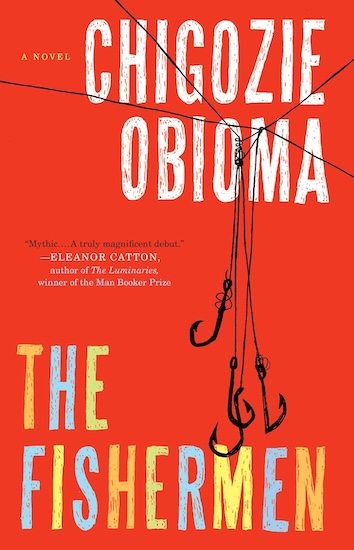
The Fishermen
In 1990s Nigeria, four brothers— Ikenna, Boja, Obembe, and Benjamin—enjoy a close bond until their father leaves their hometown of Akure for work. Taking advantage of his absence, the boys skip school to fish at a forbidden river. There, they encounter Abulu, a local man believed to be mad, who delivers a terrifying prophecy: the eldest brother, Ikenna, will be killed by one of his own siblings.
The prediction plants a seed of suspicion that gradually poisons the brothers’ relationship. As Ikenna becomes increasingly consumed by fear and paranoia, the family struggles to understand the forces tearing them apart. Narrated by nine-year-old Benjamin, the novel follows the devastating consequences of a single prophecy, exploring how belief, fear, and resentment can transform love into violence.
Blending Nigerian folklore, biblical allusions, and the structure of Greek tragedy, The Fishermen is both an intimate portrait of a family in crisis and a broader meditation on fate, brotherhood, and the fragility of human relationships.
Nigeria
2015
2

Purple Hibiscus
Purple Hibiscus follows fifteen-year-old Kambili Achike, who grows up in a wealthy Nigerian family ruled by her father, Eugene, a respected businessman and devout Catholic. In public, Eugene is admired for his generosity and outspoken opposition to political corruption. At home, however, his rigid religious beliefs and authoritarian behaviour create an atmosphere of fear and violence. Kambili and her brother, Jaja, learn to remain silent and obedient to avoid their father’s anger.
Their lives begin to change when they visit their aunt Ifeoma, a university lecturer who raises her children in a household filled with debate, laughter, and intellectual freedom. Through this experience, Kambili gradually discovers her own voice and begins to question the beliefs that have shaped her childhood. Set against the political instability of postcolonial Nigeria, the novel explores religious fanaticism, domestic abuse, freedom, and the courage required to challenge authority. With sensitivity and psychological depth, Adichie portrays a family’s struggle to break free from fear and rediscover the possibility of love and independence.
Nigeria
1980
About this theme
- Books
- 2
- Countries
- 49
Countries with this theme
Afghanistan
Asia
Argentina
South America
Armenia
Asia
Australia
Oceania
Bosnia and Herzegovina
Europe
Botswana
Africa
Brazil
South America
Canada
North America
Central African Republic
Africa
Chile
South America
China
Asia
Colombia
South America
Croatia
Europe
Cuba
North America
Djibouti
Africa
Dominican Republic
North America
Egypt
Africa
Ethiopia
Africa
France
Europe
Georgia
Asia
Germany
Europe
Hungary
Europe
India
Asia
Iran
Asia
Iraq
Asia
Ireland
Europe
Italy
Europe
Japan
Asia
Lebanon
Asia
Libya
Africa
Mexico
North America
Netherlands
Europe
Nigeria
Africa
Norway
Europe
Oman
Asia
Pakistan
Asia
Palestine
Asia
Poland
Europe
Russia
Europe
Singapore
Asia
South Africa
Africa
South Korea
Asia
Sweden
Europe
Switzerland
Europe
Taiwan
Asia
Türkiye
Asia
United Kingdom
Europe
United States
North America
Zambia
Africa