Family & Heritage
Sagas of lineage, tradition, and the ties that bind generations.
All countries
Afghanistan
Argentina
Armenia
Australia
Bosnia and Herzegovina
Botswana
Brazil
Canada
Central African Republic
Chile
China
Colombia
Croatia
Cuba
Djibouti
Dominican Republic
Egypt
Ethiopia
France
Georgia
Germany
Hungary
India
Iran
Iraq
Ireland
Italy
Japan
Lebanon
Libya
Mexico
Netherlands
Nigeria
Norway
Oman
Pakistan
Palestine
Poland
Russia
Singapore
South Africa
South Korea
Sweden
Switzerland
Taiwan
Türkiye
United Kingdom
United States
Zambia
1
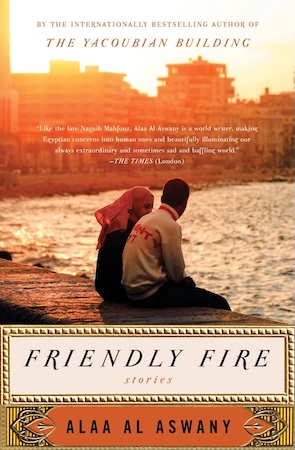
Friendly Fire
An Israeli family gathers for the holidays, but beneath the familiar rituals lie old resentments, unspoken fears, and questions about the meaning of home. Amotz Yaari, a successful engineer, and his wife, Daniela, find their carefully ordered lives disrupted by a family crisis that sends Daniela travelling to Africa to visit her widowed brother-in-law. Meanwhile, their son is serving in the Israeli army, and the family struggles to reconcile its private concerns with the realities of military service and political conflict. Moving between domestic life and distant landscapes, Friendly Fire examines the fragile bonds that hold families together and the ways war infiltrates even the most intimate relationships.
Egypt
2009
2
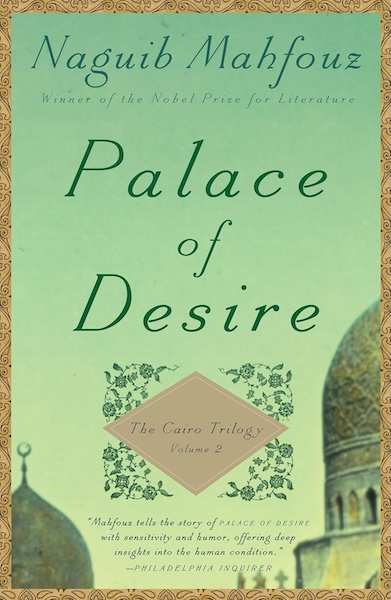
Palace of Desire
Palace of Desire is the second novel in Naguib Mahfouz’s Cairo Trilogy, continuing the story of the al-Sayyid family in Cairo during the 1920s. As Egypt experiences political change and growing demands for independence, the family faces its own transformations. Ahmad Abd al-Jawad, once the unquestioned authority in his household, grows older while continuing to struggle with his desire for pleasure and control. Meanwhile, his children enter adulthood, developing beliefs, ambitions, and relationships that increasingly challenge the traditions imposed upon them.
The novel focuses particularly on the younger generation’s changing attitudes toward religion, politics, love, and personal freedom. Kamal, the youngest son, becomes increasingly absorbed in philosophy and literature, questioning the religious certainties of his upbringing and struggling with unrequited love. Through the family’s experiences, Mahfouz explores the tension between inherited values and modern ideas, revealing how political upheaval and cultural transformation reshape intimate relationships. Rich in psychological detail, Palace of Desire portrays a society caught between tradition and modernity, where the search for independence often comes at the cost of family harmony.
Egypt
1957
3
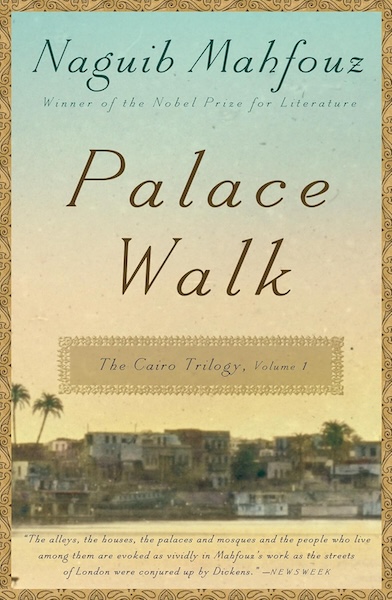
Palace Walk
Palace Walk is the first novel in Naguib Mahfouz’s acclaimed Cairo Trilogy, following the lives of the al-Sayyid family in Cairo during the First World War and the Egyptian nationalist movement of 1919. At the centre of the household is Ahmad Abd al-Jawad, a prosperous merchant who rules his family with absolute authority while secretly indulging in a life of pleasure outside the home. His wife, Amina, remains largely confined to the house, devoted to her husband and children, while their sons and daughters gradually develop ambitions that challenge the traditional values governing their lives.
As political unrest spreads through Egypt, the family’s private struggles reflect the wider tensions between tradition and modernity, religious authority and personal freedom, and colonial rule and national independence. Mahfouz portrays a society undergoing profound transformation, where generational conflicts reveal changing attitudes toward gender, education, and individual choice. Through richly detailed depictions of domestic life in historic Cairo, the novel examines the contradictions of patriarchal power and the ways political change reshapes even the most private relationships.
Egypt
1956
About this theme
- Books
- 3
- Countries
- 49
Countries with this theme
Afghanistan
Asia
Argentina
South America
Armenia
Asia
Australia
Oceania
Bosnia and Herzegovina
Europe
Botswana
Africa
Brazil
South America
Canada
North America
Central African Republic
Africa
Chile
South America
China
Asia
Colombia
South America
Croatia
Europe
Cuba
North America
Djibouti
Africa
Dominican Republic
North America
Egypt
Africa
Ethiopia
Africa
France
Europe
Georgia
Asia
Germany
Europe
Hungary
Europe
India
Asia
Iran
Asia
Iraq
Asia
Ireland
Europe
Italy
Europe
Japan
Asia
Lebanon
Asia
Libya
Africa
Mexico
North America
Netherlands
Europe
Nigeria
Africa
Norway
Europe
Oman
Asia
Pakistan
Asia
Palestine
Asia
Poland
Europe
Russia
Europe
Singapore
Asia
South Africa
Africa
South Korea
Asia
Sweden
Europe
Switzerland
Europe
Taiwan
Asia
Türkiye
Asia
United Kingdom
Europe
United States
North America
Zambia
Africa