Coming of Age
Stories of growing up, first experiences, and transformation.
All countries
Antigua and Barbuda
Armenia
Australia
Azerbaijan
Bahamas
Belize
Bosnia and Herzegovina
Brunei
Burundi
Cabo Verde
Central African Republic
Finland
France
Greece
India
Indonesia
Ireland
Italy
Japan
Morocco
Netherlands
Norway
Palestine
Romania
Slovenia
Sweden
Tanzania
United Kingdom
United States
Zambia
1

Great Expectations
Great Expectations follows Pip, an orphan raised by his harsh older sister and her kind husband, Joe Gargery. After encountering an escaped convict and becoming acquainted with the wealthy but eccentric Miss Havisham, Pip begins to dream of rising above his humble origins. When he unexpectedly receives money from an anonymous benefactor, he moves to London to become a gentleman, believing that wealth and social status will bring him happiness and the love of Estella, Miss Havisham’s beautiful but emotionally distant ward. As Pip discovers the truth about his fortune, he must confront his own pride and the assumptions he has made about class and respectability. Dickens explores ambition, guilt, loyalty, and moral growth, revealing that genuine worth depends less on social position than on kindness and integrity.
United Kingdom
1861
2
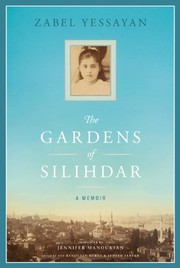
Gardens of Silihdar
The Gardens of Silihdar is a memoir of Zabel Yesayan’s childhood in Constantinople, offering a vivid portrait of Armenian family and community life during the late nineteenth century. Through memories of her neighbourhood, relatives, gardens, and everyday encounters, Yesayan recreates a world shaped by cultural traditions, social hierarchies, and the tensions of a changing Ottoman Empire. Her recollections capture the curiosity and independence of a young girl gradually discovering the complexities of the society around her. Beyond its intimate family scenes, the memoir preserves a picture of Armenian life in Constantinople before the devastating events that would transform the community. Yesayan combines personal reflection with cultural memory, exploring childhood, belonging, and the importance of remembering a world that political upheaval would eventually threaten to erase.
Armenia
1935
3
My Name Is Aram
My Name Is Aram is a collection of interconnected stories narrated by Aram Garoghlanian, a young Armenian American boy growing up in California’s San Joaquin Valley. Through his observations of family members, neighbours, and fellow members of the Armenian immigrant community, Aram discovers the contradictions and wonders of adult life. His relatives are often eccentric, proud, impulsive, and fiercely attached to their heritage, providing him with lessons about generosity, ambition, family loyalty, and human imperfection. Saroyan combines humour with tenderness, portraying a community attempting to preserve its cultural identity while adapting to life in a new country. The stories celebrate the ordinary experiences that shape childhood and the resilience of immigrant families, capturing how language, memory, and shared traditions help maintain a connection to ancestral roots across generations.
Armenia
1940
4
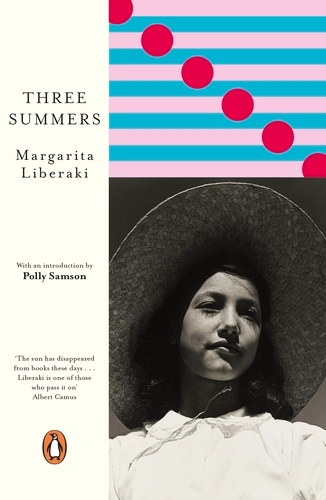
Three Summers
Set in the Greek countryside near Athens in the years before the Second World War, Three Summers follows three sisters as they navigate adolescence, love, desire, and the mysteries of family life. Maria, the eldest, is passionate and eager to marry and start a family; Infanta is beautiful, independent, and emotionally reserved; while Katerina, the youngest and the novel’s principal narrator, is dreamy, rebellious, and fascinated by the world around her. Across three summers, the sisters fall in love, keep secrets, observe the complicated relationships of adults, and begin to imagine the women they might become. Against a backdrop of sun-drenched gardens, olive groves, and long, languid afternoons, Margarita Liberaki captures the fleeting magic of youth and the bittersweet awareness that childhood cannot last forever. Tender, sensual, and nostalgic, this coming-of-age novel celebrates female independence, sisterhood, and the exhilarating uncertainty of growing up.
Greece
1946
5
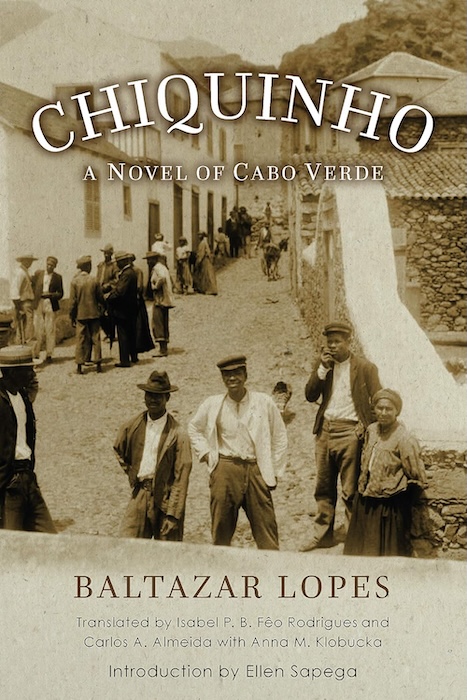
Chiquinho
Set in Cape Verde during the first half of the twentieth century, Chiquinho follows a young boy growing up on the island of São Nicolau. Divided into three parts, the novel traces his journey from childhood in a close-knit rural community to adolescence and, eventually, adulthood. As Chiquinho learns to read and discovers literature, he begins to imagine possibilities beyond his island. His education takes him to São Vicente, where he encounters new ideas, forms friendships, experiences his first love, and becomes increasingly aware of the social and economic difficulties facing his homeland.
When he returns to São Nicolau as a teacher, devastating drought and famine strike the islands, bringing suffering to his community and threatening his hopes for the future. Faced with limited opportunities, Chiquinho ultimately considers emigration to the United States as a path towards survival and a better life.
Blending personal growth with a portrait of Cape Verdean society, the novel explores belonging, education, hardship, and the painful choice between leaving home and remaining connected to one’s roots. It is widely regarded as a foundational work of modern Cape Verdean literature.
Cabo Verde
1947
6
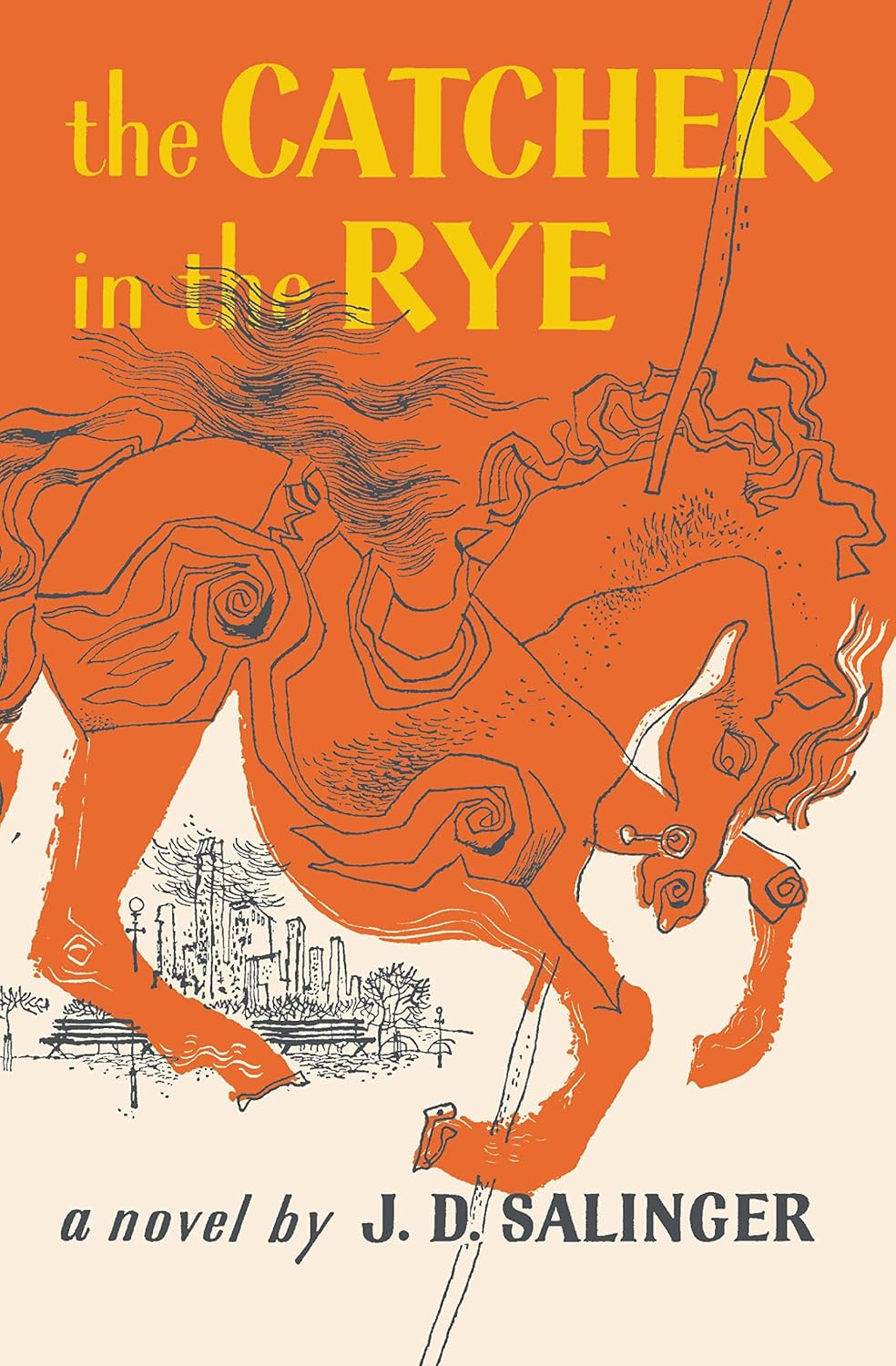
The Catcher in the Rye
The Catcher in the Rye follows Holden Caulfield, a sixteen-year-old who has been expelled from his preparatory school and spends several days wandering around New York City. Alienated from the adults around him, Holden sees the world as dishonest and superficial, yet struggles to understand his own emotions and relationships. Beneath his sarcasm and criticism lies a profound sense of loneliness, grief, and fear of growing up. His encounters with strangers, former classmates, and his younger sister reveal his longing for genuine human connection. Through Holden’s distinctive voice, Salinger captures the confusion and vulnerability of adolescence, exploring the difficult transition from childhood innocence to adulthood.
United States
1951
7

Bonjour Tristesse
Set along the sun-drenched French Riviera, Bonjour Tristesse follows seventeen-year-old Cécile, who spends a carefree summer with her charming, pleasure-seeking father, Raymond, and his young lover, Elsa. Their relaxed existence is disrupted when Anne, a sophisticated and principled woman who was once a friend of Cécile’s late mother, arrives and begins a relationship with Raymond. Fearing that Anne will impose discipline and destroy her freedom, Cécile devises a plan to separate the couple, setting in motion consequences she cannot fully control. Narrated by Cécile as she reflects on that pivotal summer, the novel explores adolescence, jealousy, desire, and the unsettling transition from innocence to adulthood. Sagan’s elegant, restrained prose captures the tensions between personal freedom and emotional responsibility, revealing how selfish choices can lead to irreversible loss.
France
1954
8

Been Down So Long It Looks Like Up to Me
Set against the restless spirit of the late 1950s and early 1960s, Been Down So Long It Looks Like Up to Me follows Gnossos Pappadopoulis, a rebellious college student navigating university life, romantic entanglements, psychedelic experiences, and his own search for meaning. Moving between a fictional university in upstate New York, the American West, and revolutionary Cuba, Gnossos challenges authority and conventional morality with irreverent humor and anarchic energy.
Drawing on Richard Fariña’s own experiences as a student and traveler, the novel captures the countercultural impulses that would help define the 1960s. Its unconventional narrative combines satire, absurdity, and philosophical reflection to question academic institutions, social expectations, and established ideas of success and respectability. Both a campus novel and a picaresque adventure, it portrays a young man attempting to find his place in a world he distrusts. Published just two days before Fariña’s death in a motorcycle accident, the novel became a cult classic of American counterculture.
United States
1966
9
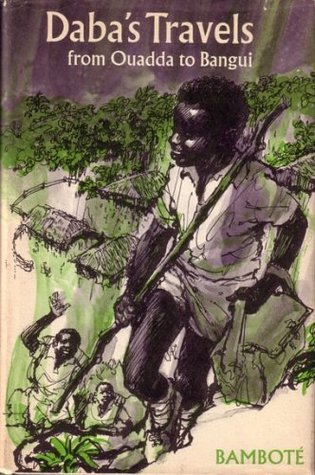
Daba’s Travels from Ouadda to Bangui
Daba’s Travels from Ouadda to Bangui follows Daba, a young boy growing up in the Central African Republic, whose life changes when he leaves his village of Ouadda to pursue an education. Raised in a close-knit rural community, Daba develops a deep affection for his family, his homeland, and the natural world around him. His journey takes him far beyond the familiar landscapes of his childhood, introducing him to new towns, people, and ways of life.
As Daba travels towards Bangui, the country’s capital, he encounters different communities and experiences that broaden his understanding of the world. Education becomes a gateway to new opportunities, but his travels also make him more aware of the contrasts between rural and urban life.
Drawing on the author’s own childhood experiences, the novel offers young readers an introduction to the geography, traditions, and everyday life of the Central African Republic. Through Daba’s adventures, Bamboté explores education, cultural identity, and the transition from childhood towards greater independence.
Central African Republic
1970
10
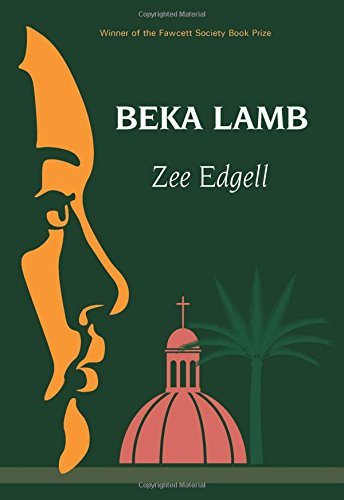
Beka Lamb
Set in Belize during the late 1950s, Beka Lamb follows a young girl growing up in a society approaching political independence from Britain. Beka struggles at school and initially disappoints her family, but a friendship with Toycie, an older girl whose life takes a tragic turn, forces her to confront the consequences of social expectations and limited opportunities for women. As Beka matures, she begins to understand the inequalities and cultural tensions shaping her community. Her personal development unfolds alongside Belize’s growing national consciousness, linking the challenges of adolescence with the struggle for self-determination. Edgell presents a vivid portrait of everyday life in Belize, exploring education, family, friendship, and the importance of preserving cultural identity while imagining a different future.
Belize
1982
11
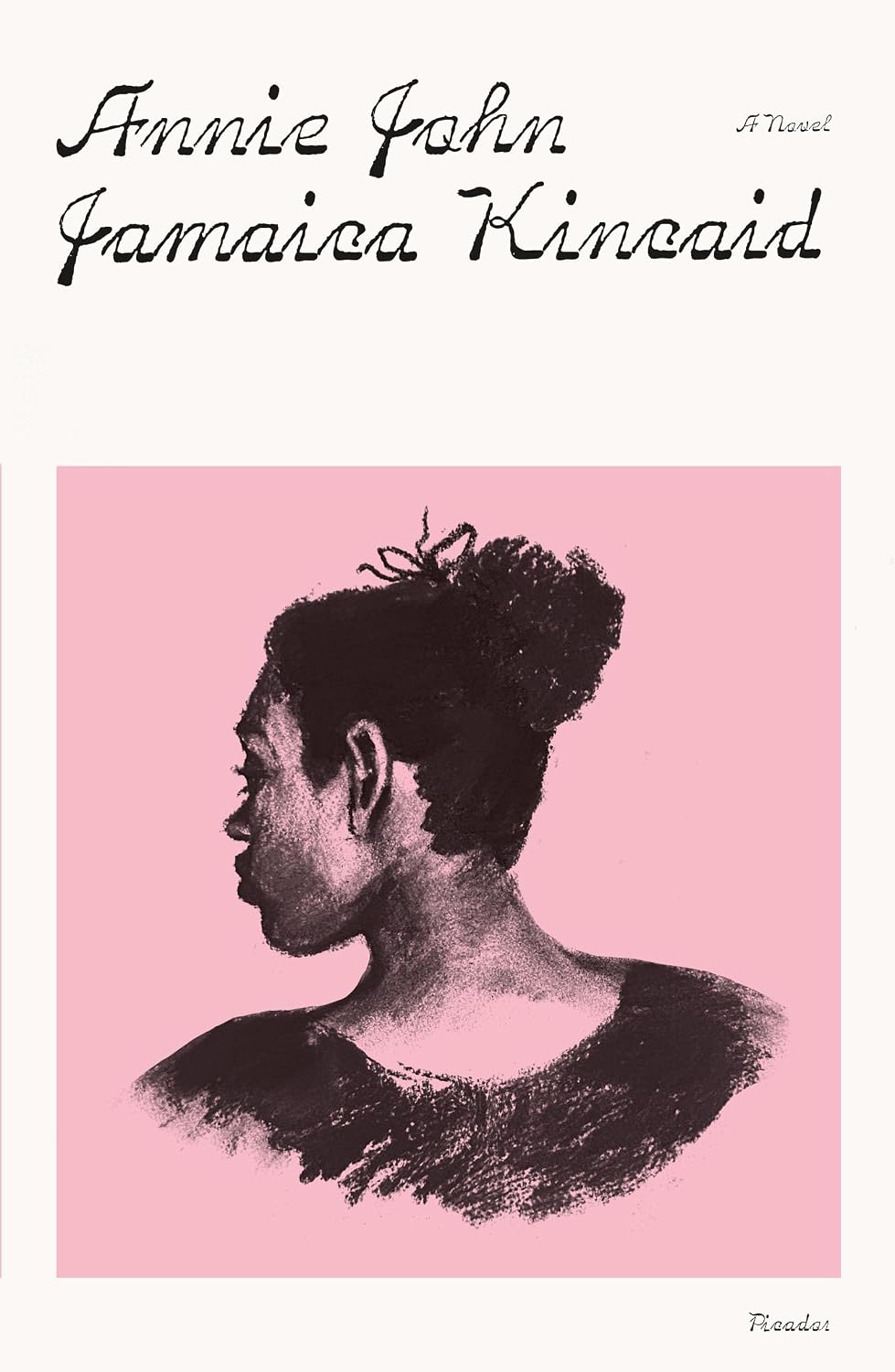
Annie John
Set on the Caribbean island of Antigua, Annie John follows a young girl as she grows from childhood into adolescence. Annie is deeply attached to her mother, whom she initially regards as her closest companion and model for adulthood. As she matures, however, their relationship becomes increasingly strained, and Annie begins to struggle with questions of independence, identity, and belonging. Her experiences at school, friendships, and growing awareness of death and sexuality complicate her understanding of the world. Jamaica Kincaid explores the painful transition from childhood intimacy to adult separation, while also drawing parallels between Annie’s personal rebellion and Antigua’s colonial history. The novel is an intimate portrait of a young woman learning to define herself beyond the expectations of family and society.
Antigua and Barbuda
1985
12
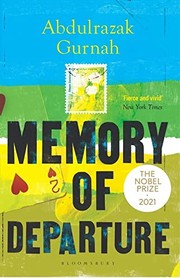
Memory of Departure
Memory of Departure, Gurnah’s debut novel, follows Hassan Omar, a young man growing up in a poor coastal community in East Africa. Intelligent and ambitious, Hassan dreams of escaping the limitations of his environment through education and opportunities abroad. However, his family life is marked by poverty, violence, and disappointment, making his desire to leave both a personal ambition and an attempt to escape an oppressive reality. As Hassan navigates difficult relationships and confronts the harshness of the world around him, he begins to understand the emotional and moral costs of pursuing a different future. The novel explores the struggle between hope and disillusionment, examining how family circumstances, social inequality, and colonial legacies shape the possibilities available to young people seeking independence.
Tanzania
1987
About this theme
- Books
- 39
- Countries
- 30
Countries with this theme
Antigua and Barbuda
North America
Armenia
Asia
Australia
Oceania
Azerbaijan
Asia
Bahamas
North America
Belize
North America
Bosnia and Herzegovina
Europe
Brunei
Asia
Burundi
Africa
Cabo Verde
Africa
Central African Republic
Africa
Finland
Europe
France
Europe
Greece
Europe
India
Asia
Indonesia
Asia
Ireland
Europe
Italy
Europe
Japan
Asia
Morocco
Africa
Netherlands
Europe
Norway
Europe
Palestine
Asia
Romania
Europe
Slovenia
Europe
Sweden
Europe
Tanzania
Africa
United Kingdom
Europe
United States
North America
Zambia
Africa