Coming of Age
Stories of growing up, first experiences, and transformation.
All countries
Antigua and Barbuda
Armenia
Australia
Azerbaijan
Bahamas
Belize
Bosnia and Herzegovina
Brunei
Burundi
Cabo Verde
Central African Republic
Finland
France
Greece
India
Indonesia
Ireland
Italy
Japan
Morocco
Netherlands
Norway
Palestine
Romania
Slovenia
Sweden
Tanzania
United Kingdom
United States
Zambia
1
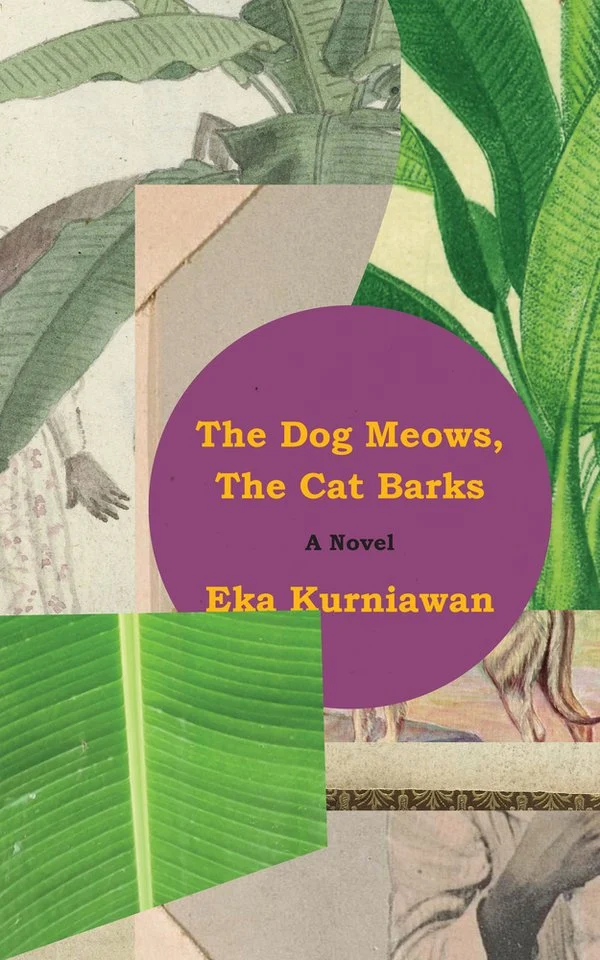
The Dog Meows, the Cat Barks
Sato Reang enjoys a carefree childhood in a small Javanese town, playing football, fighting crickets, and getting into mischief with his friends. But everything changes when his devout father decides that Sato must become a properly religious boy. Expected to pray regularly, attend the mosque, and follow strict rules of Islamic piety, Sato feels increasingly trapped by a life he never chose. As he grows older, his frustration turns into rebellion: he skips prayers, drinks, steals, and begins setting fires. Yet his defiance is not simply a desire to misbehave; it is an attempt to reclaim ownership of his own life. His relationship with Jamal, a deeply pious boy forced into his company, becomes central to his struggle against the authority imposed upon him. Blending dark humour, absurdity, and psychological insight, Eka Kurniawan explores the tensions between faith and freedom, obedience and individuality. Beneath its mischievous surface lies a darker question: when control becomes oppressive, can rebellion offer genuine liberation, or does it create new forms of destruction?
Indonesia
2026
2
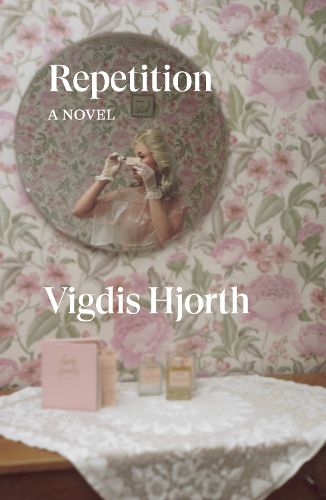
Repetition
As winter settles over Norway, a chance encounter prompts a woman to revisit the events of her sixteenth year. At the time, she was navigating the familiar upheavals of adolescence: first experiences of alcohol and sex, growing independence, and the uneasy distance between herself and her parents. Her mother watched her anxiously, while her father remained emotionally remote. Yet beneath these ordinary teenage experiences lay something more disturbing, an event that reshaped the family and led to a silence that endured for decades. Looking back as an adult, the narrator struggles to understand what happened and how her family’s response influenced her sense of self. With psychological precision and an unflinching examination of memory, Hjorth explores the lasting power of childhood experiences, the stories families suppress, and the difficulty of recovering a past that may never be fully understood.
Norway
2026
3
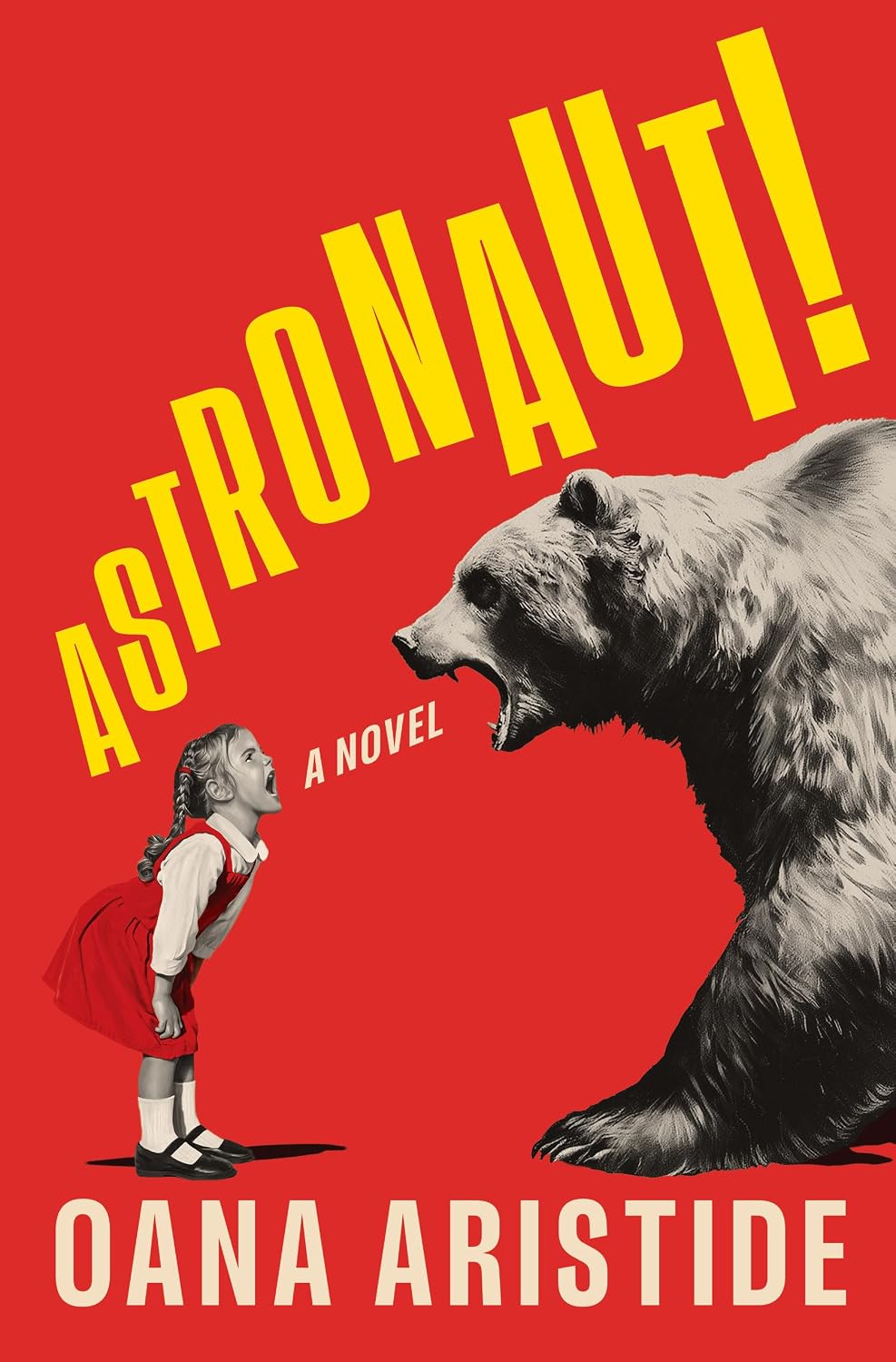
Astronaut!
Romania, 1989. As Nicolae Ceaușescu’s communist dictatorship approaches its end, the country is gripped by fear, suspicion, and absurd official propaganda. Amid rationing, secret informers, and carefully monitored conversations, a series of mysterious murders captures the public’s attention. Authorities blame a man-eating bear, but the truth proves far more complicated.
Two unlikely protagonists find themselves caught in the unfolding mystery. Constantin, an idealistic police detective who dreams of writing fairy tales, is tasked with investigating the deaths. Meanwhile, Lia, a curious and rebellious schoolgirl who longs for colour and beauty in her grey surroundings, becomes involved in an elderly neighbour’s clandestine resistance against the regime.
Blending detective fiction, political satire, and fairy-tale elements, Astronaut! captures the surreal contradictions of life under authoritarian rule. Through the contrasting perspectives of an idealistic adult and an imaginative child, Oana Aristide explores courage, complicity, and the power of ordinary people to challenge injustice. The novel is both a tense mystery and a moving coming-of-age story about finding hope in a society built on fear and deception.
Romania
2026
4
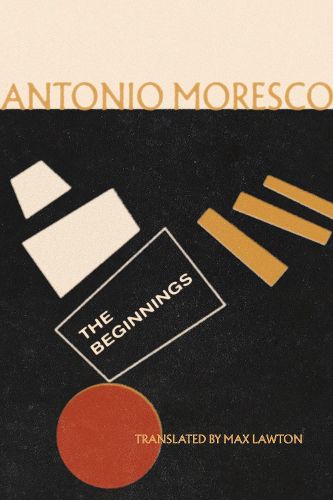
The Beginnings
The first volume of Antonio Moresco’s ambitious Games of Eternity trilogy, The Beginnings is an experimental, dreamlike novel that follows an unnamed protagonist through three distinct stages of life: seminarian, political revolutionary, and aspiring writer. Moving through the upheavals of twentieth-century Italy, the protagonist struggles to find his place in a world shaped by religious institutions, ideological movements, and the elusive possibilities of literature.
Rather than following a conventional narrative, Moresco creates a shifting, surreal world in which events unfold with strange immediacy and familiar realities become unsettling. The novel challenges traditional storytelling, offering an unusual exploration of transformation, rebellion, and the search for artistic identity. Both philosophical and unpredictable, it marks the beginning of a literary journey that pushes the boundaries of contemporary Italian fiction.
Italy
2026
5
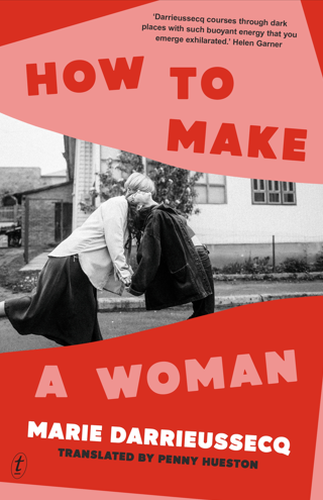
How to Make a Woman
How to Make a Woman follows Rose and Solange, two lifelong friends growing up in a small village in the French Basque Country during the 1980s. Although they share a childhood, their lives begin to diverge dramatically as they enter adulthood. Rose, thoughtful and conventional, moves to Bordeaux to study psychology while maintaining her relationship with her childhood sweetheart, Christian. Solange, rebellious and restless, becomes pregnant at fifteen and eventually leaves her familiar surroundings to pursue a career as an actress.
As their paths take them through Bordeaux, Paris, London, and Hollywood, the two women confront the expectations imposed on them by society, the demands of relationships, and the challenges of defining themselves on their own terms. Their friendship endures despite their differences, revealing how women can remain connected even as their lives move in opposite directions.
With wit and emotional precision, Darrieussecq explores female friendship, sexuality, motherhood, ambition, and the social forces that shape women’s identities. The novel offers a nuanced portrait of growing up and becoming oneself in a world that continually tries to define what a woman should be.
France
2026
6
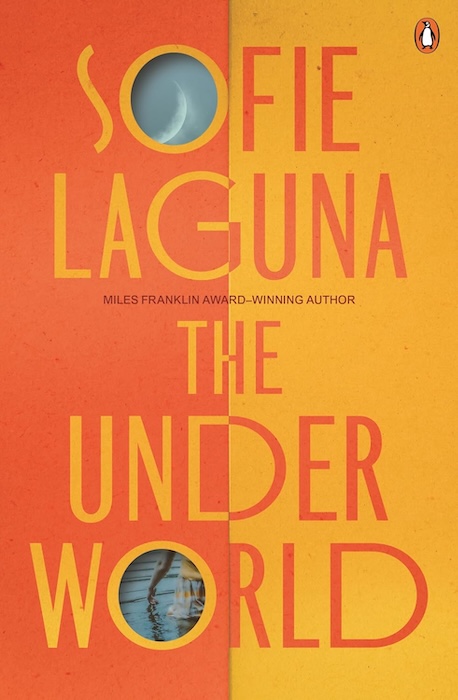
The Underworld
Martha Mullins has always felt like an outsider. Growing up with a glamorous but judgmental mother and a mostly absent father, she finds refuge in the myths of ancient Rome, discovering in the underworld and its gods a world that reflects her own feelings of isolation, desire and longing. As she navigates adolescence, Martha gradually discovers the joys of friendship, intimacy and the freedom of being understood by others. Her circle of friends introduces her to spontaneity, laughter and experiences that challenge her tendency to retreat into her imagination. But when events take a painful turn, Martha must confront the difficulties of growing up and the limits of the worlds she has created to protect herself. Following her intellectual and sexual awakening through school and into adulthood, Laguna’s novel explores loneliness, queer identity, grief and the search for belonging. Blending classical mythology with the emotional realities of contemporary life, The Underworld is a tender portrait of a young woman learning how to inhabit a world in which she can be herself.
Australia
2025
7
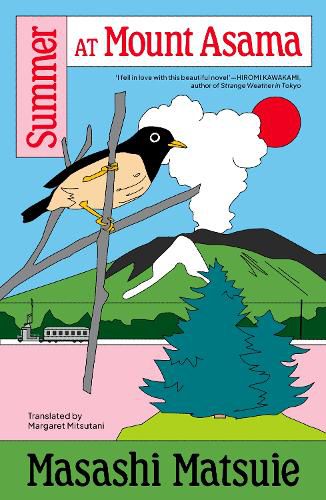
Summer at Mount Asama
Set in Japan in the summer of 1982, Summer at Mount Asama follows Tōru Sakanishi, a recent university graduate who joins a prestigious architectural practice in Tokyo. Founded by Shunsuke Murai, a distinguished architect and former student of Frank Lloyd Wright, the firm is known for its thoughtful designs and quiet devotion to craftsmanship. When the team relocates to a mountain retreat near Mount Asama, they begin work on a competition to design the National Library of Modern Literature. As Tōru observes the creative process and the relationships among his colleagues, he encounters four remarkable women whose presence gradually transforms his understanding of love, ambition and adulthood. The tranquil mountain setting, with its changing light and natural beauty, offers a counterpoint to the professional rivalries and personal uncertainties unfolding around him. Through its subtle portrayal of architecture, memory and human relationships, Matsuie’s novel explores how places shape our lives and how the smallest encounters can influence the course of a future.
Japan
2025
8
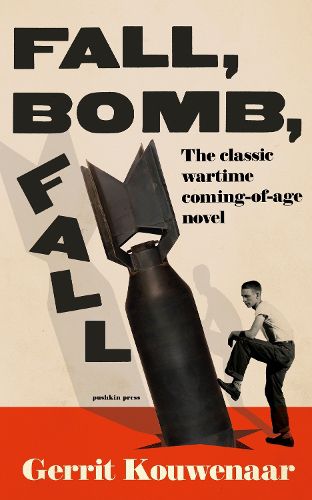
Fall, Bomb, Fall
On 10 May 1940, seventeen-year-old Karel Ruis learns that Nazi Germany has invaded the Netherlands. Bored with his sheltered, bourgeois existence, he initially welcomes the upheaval, imagining that the war might bring the adventure and excitement he has been craving. But as German bombs fall and his familiar world begins to collapse, Karel is forced to confront the terrifying reality of war. After undertaking a secret mission to deliver a letter to his uncle’s Jewish mistress, he falls in love with her daughter and dreams of escaping with the two women. His romantic hopes, however, collide with the desperate choices people must make to survive. Drawing partly on Kouwenaar’s own experiences during the Nazi occupation, this poignant novella traces the painful passage from adolescent naivety to adulthood. With understated humour and emotional precision, it reveals how quickly war can destroy illusions and transform ordinary lives.
Netherlands
2025
9
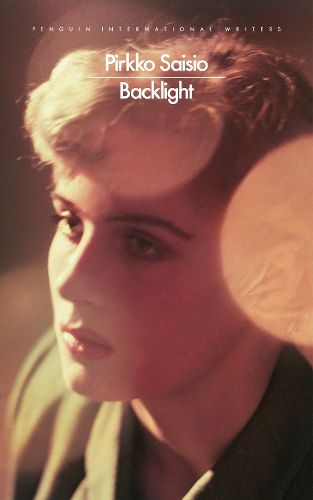
Backlight
Set in 1960s Finland, Backlight follows a teenage girl named Pirkko as she navigates the frustrations of adolescence, the tensions of family life, and the gradual discovery of her own identity. She struggles with her relationship with God, her communist father, and the physical changes of growing up. At home, her overworked mother attempts to maintain peace, while her grandfather occupies the room Pirkko had long been promised. Books become an escape, and her rebellious spirit leads her into frequent trouble. When a Finnish teacher recognizes her potential as a writer, Pirkko begins to imagine a future shaped by words and imagination.
The story shifts to the summer of 1968, when Pirkko travels to Switzerland to work at an orphanage. Away from Finland, she experiences homesickness, cultural isolation, and the difficulty of understanding her own sexuality. Against the backdrop of a Europe undergoing political and social transformation, she begins to make sense of the person she is becoming. The second volume in Saisio’s autobiographical Helsinki trilogy, this intimate, witty novel explores family, sexuality, artistic ambition, and the complicated process of growing into oneself.
Finland
2025
10
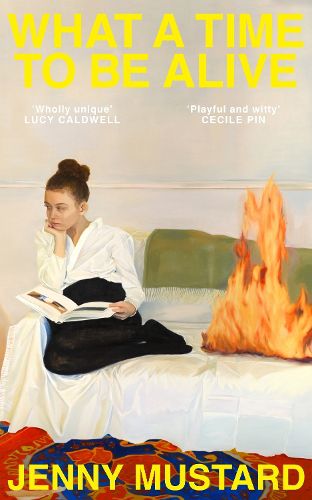
What a Time to Be Alive
What a Time to Be Alive follows twenty-one-year-old Sickan Hermansson, a young woman who arrives at Stockholm University determined to reinvent herself. After a lonely childhood in a small Swedish town, marked by social exclusion and a lack of meaningful connections, she sees university as an opportunity to experience the things she has missed: friendship, intimacy, love, and the freedom to become someone new.
Just as Sickan begins to find her place among a group of friends, she meets Abbe, a charming and confident young man who seems to offer the possibility of romance and belonging. Yet navigating relationships proves more complicated than she imagined, forcing her to confront her insecurities and the compromises she is willing to make to be accepted.
With sensitivity and understated humor, Jenny Mustard explores loneliness, class, sexuality, and the pressures of young womanhood. The novel captures the awkwardness and intensity of early adulthood, asking how much of ourselves we are willing to change in the pursuit of love and acceptance.
Sweden
2025
11
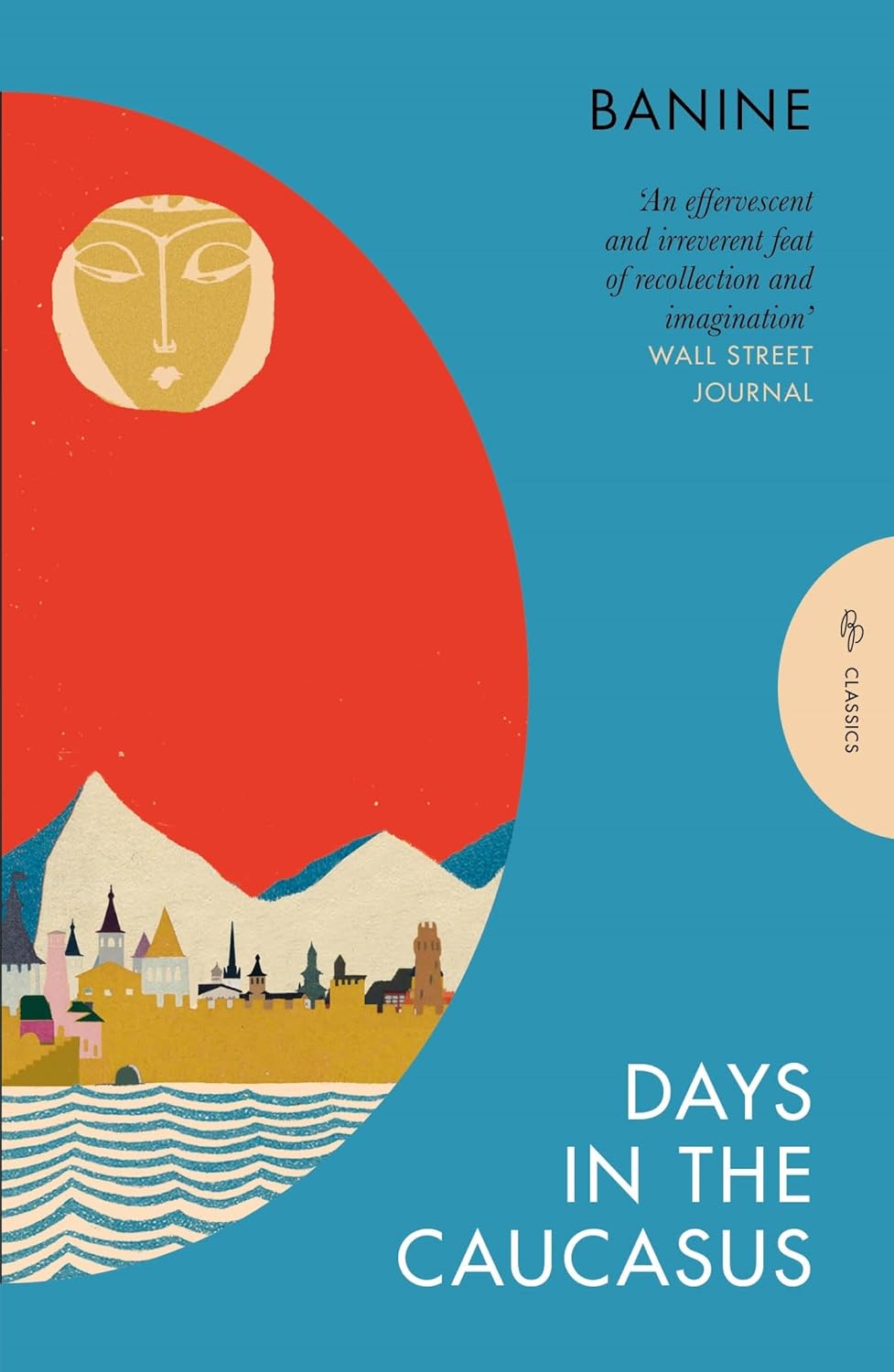
Days in the Caucasus
Days in the Caucasus is Banine’s memoir of growing up in a wealthy Azerbaijani family in Baku during the turbulent early twentieth century. Born into a family whose fortune came from the oil industry, she experiences a childhood shaped by material privilege, complicated relatives, and contrasting cultural influences. Her German governess introduces her to one world, while her strict Muslim grandmother represents another, creating a household where tradition and modernity coexist uneasily. The Russian Revolution and the collapse of the Azerbaijan Democratic Republic eventually transform her family’s circumstances, forcing Banine to confront loss, uncertainty, and the limitations imposed on women. Recalling her first love and an unwanted marriage, she recounts her eventual escape from her homeland. The memoir combines wit and personal reflection with a portrait of a vanished society, exploring independence, cultural identity, and the experience of exile.
Azerbaijan
2025
12
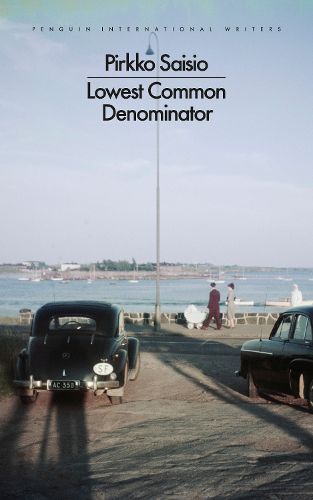
Lowest Common Denominator
Following her father’s death, a middle-aged writer named Pirkko revisits her childhood in 1950s Finland, piecing together memories of family life, political convictions and the first stirrings of her identity. Growing up as the only child of communist parents in Helsinki, young Pirkko struggles to understand the expectations placed upon her. Her mother is lively and theatrical, while her father is emotionally distant and committed to his political ideals. During summers spent with her grandparents in the countryside, Pirkko discovers a world of freedom, imagination and unexpected revelations. Convinced that she will grow up to be a boy, she grapples with the distance between her inner sense of self and the roles others expect her to inhabit. Told through fragmented memories, fever dreams and moments of startling humour, the novel blurs the boundaries between autobiography and fiction. Ultimately, Pirkko discovers that language and storytelling can offer a refuge, allowing her to express an identity that the world around her struggles to recognise.
Finland
2024
About this theme
- Books
- 39
- Countries
- 30
Countries with this theme
Antigua and Barbuda
North America
Armenia
Asia
Australia
Oceania
Azerbaijan
Asia
Bahamas
North America
Belize
North America
Bosnia and Herzegovina
Europe
Brunei
Asia
Burundi
Africa
Cabo Verde
Africa
Central African Republic
Africa
Finland
Europe
France
Europe
Greece
Europe
India
Asia
Indonesia
Asia
Ireland
Europe
Italy
Europe
Japan
Asia
Morocco
Africa
Netherlands
Europe
Norway
Europe
Palestine
Asia
Romania
Europe
Slovenia
Europe
Sweden
Europe
Tanzania
Africa
United Kingdom
Europe
United States
North America
Zambia
Africa