Adventure & Journey
Tales of exploration, travel, and journeys into the unknown.
All countries
Bahrain
Bangladesh
Belgium
Chile
Egypt
Russia
South Korea
Spain
Switzerland
United Kingdom
United States
1
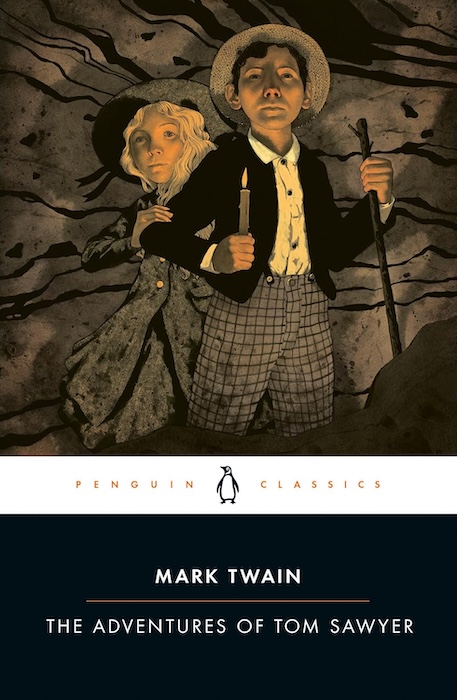
Adventures of Tom Sawyer
The Adventures of Tom Sawyer follows an imaginative, mischievous boy growing up in a small town along the Mississippi River. Tom regularly avoids schoolwork and household responsibilities in favour of games, pranks, and elaborate fantasies. Alongside his friend Huckleberry Finn, he experiences adventures that range from pretending to be a pirate to witnessing a murder and becoming involved in a dangerous search for hidden treasure. Beneath its humour and lively depictions of childhood, the novel explores the tensions between freedom and social expectations. Tom’s experiences gradually teach him about courage, loyalty, responsibility, and the consequences of his actions. Twain’s portrayal of small-town American life also offers a satirical look at adult hypocrisy, superstition, and the institutions that shape children’s lives.
United Kingdom
1876
2
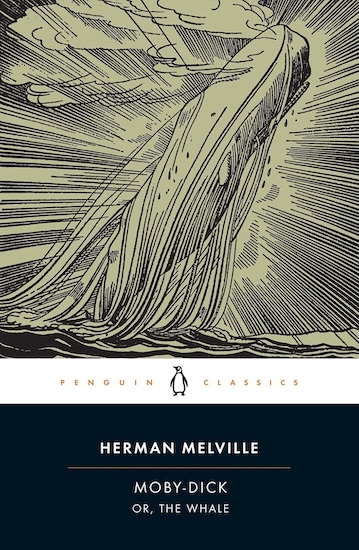
Moby-Dick, or, The whale
Narrated by the sailor Ishmael, Moby-Dick recounts a whaling voyage aboard the Pequod, commanded by the obsessive Captain Ahab. Ahab is determined to hunt down Moby Dick, a massive white whale that previously injured him. As the ship travels across the oceans, the voyage becomes increasingly dominated by the captain’s consuming desire for revenge. Blending maritime adventure with philosophical reflection, Melville explores humanity’s relationship with nature, the limits of knowledge, and the dangers of allowing obsession to govern one’s life. The novel’s detailed descriptions of whaling are interwoven with questions about fate, faith, and the meaning of existence, transforming a pursuit of a whale into a profound meditation on the human condition.
United States
1851
3
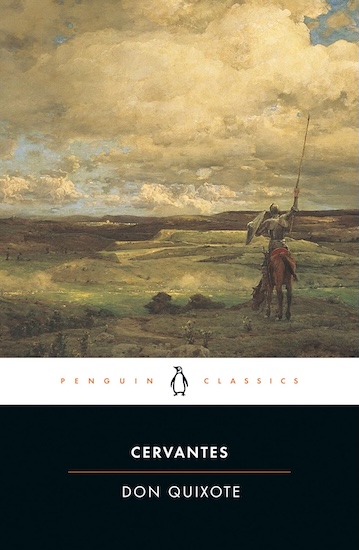
Don Quixote
Don Quixote follows Alonso Quixano, an ageing country gentleman who becomes so absorbed in tales of chivalry that he decides to become a knight-errant. Taking the name Don Quixote, he sets out across Spain to defend the helpless, challenge injustice, and perform heroic deeds. Accompanied by his practical squire, Sancho Panza, he repeatedly mistakes ordinary situations for extraordinary adventures, famously imagining windmills to be giants. Their contrasting perspectives create both comic misunderstandings and moments of unexpected wisdom. Cervantes uses their journey to explore the relationship between imagination and reality, questioning the values of honour, heroism, and social convention. Beneath its humour, the novel considers the dignity of idealism and the difficulties faced by people who refuse to accept the world as it is.
Spain
1609
About this theme
- Books
- 15
- Countries
- 11